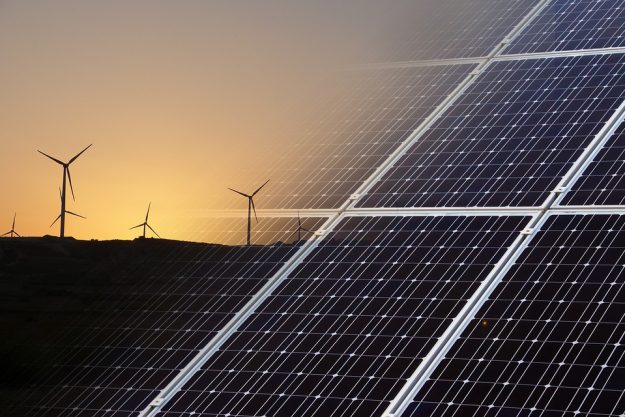
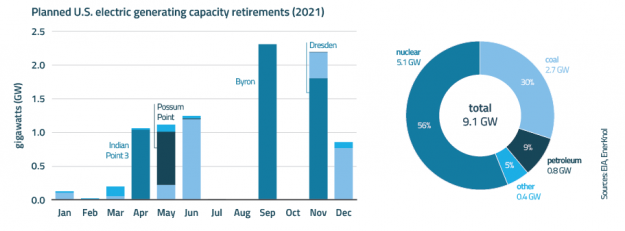
Illinois Governor J. B. Pritzker, a Democrat, signed legislation on Sept. 15 that puts the state on the path to 100 percent clean energy by 2050. The law sets a goal of 50 percent renewable energy by 2040 and provides financial support for the states’ existing nuclear plants at risk of closure due to market…...
The expansion of renewable portfolio standards (RPS) has prompted several states to reshape their solar incentive programs. The market for solar renewable energy certificates (SRECs) is driven by solar carve-outs in RPS programs, which require utilities to procure a certain percentage of their electricity from renewable resources.
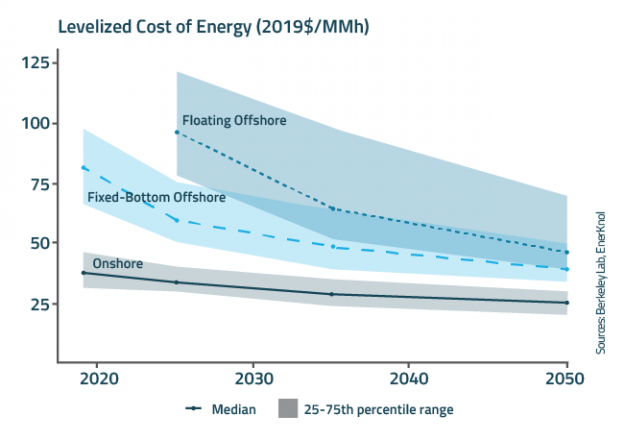
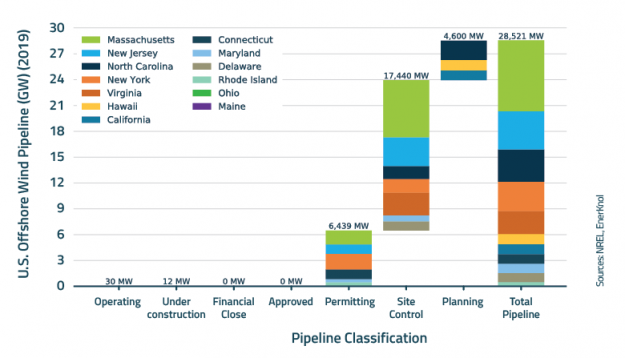
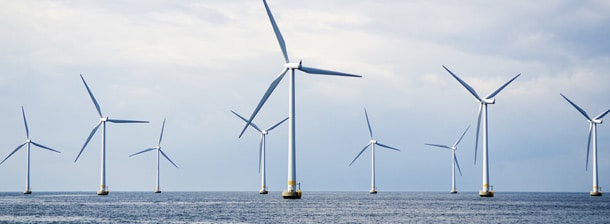
The U.S. offshore wind industry is making strides with significant milestones including approval of the first large-scale project in federal waters, federal efforts to advance permitting processes, and actions towards potential development in the Pacific.
The Mississippi Public Service Commission approved the construction of a 200-megawatt wind turbine electric generation facility in Tunica County. The project will be developed by Tunica Wind Power LLC, whose parent company is Vestas—a company based in Denmark, that designs, installs, and services wind turbines having more than 132 GW of wind turbines in 83…...
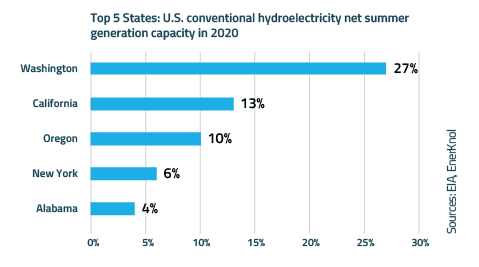
Changing power sector trends driven by mandates and goals to achieve carbon-free electricity have renewed interest in the future role of hydropower. As the target years draw near, large-scale hydropower offers an attractive solution to contribute to the evolving generation mix.
Dominion Energy Inc. on April 29 announced a solicitation seeking proposals to develop up to 1,000 megawatts of utility-scale solar and onshore wind generation facilities and 100 megawatts of energy storage projects in Virginia. The company issues solicitations annually to procure the resources needed to meet the targets of the 2020 Clean Economy Act, which…...
The prospects of the U.S. offshore wind industry are brightening as East Coast states and the Biden administration step up efforts to harness the potential of carbon-free electricity. The administration has established a goal to deploy 30 GW of offshore wind in the U.S. by 2030. To facilitate the achievement of the goal publicized on March 29, the administration announced several investment and funding opportunities. These include access to $3 billion in funding for offshore wind projects through the Department of Energy’s Innovative Energy Loan Guarantee Program and $230 million in funding opportunity for port authorities and other applicants for infrastructure-related projects through the Department of Transportation’s Maritime Administration.
The Biden administration has announced a series of initiatives to advance the U.S. offshore wind industry, including committing to a goal of deploying 30 gigawatts of capacity by 2030. Achieving the 2030 target is expected to lead up to the installation of 110 gigawatts of capacity by 2050. The 2030 goal, a shared commitment by…...
The Ohio legislature on March 25 passed a bill to repeal the provisions of a 2019 law that provided FirstEnergy Solutions Corp., which is now known as Energy Harbor Corp., with annual subsidies of nearly $150 million over seven years to keep its ailing nuclear plants operating. Ohio Governor Mike DeWine, a Republican, is expected…...
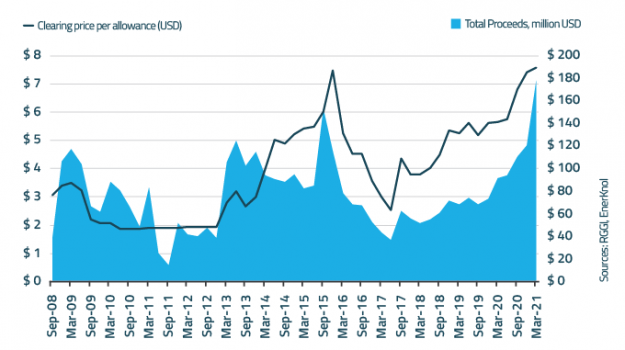
As the Biden administration takes action to address climate change through federal policies including rejoining the Paris Agreement and increasing the social cost of carbon, states continue to strengthen existing carbon pricing programs and advance new initiatives. State-level activity on emission-trading programs and carbon pricing is expected to remain on the rise as more jurisdictions embrace policy goals to transition to a lower-carbon power system and economy.
Democratic Governor Tom Wolf on March 22 announced a clean energy initiative that aims to source nearly 50 percent of state government’s electricity from solar installations totaling 191 megawatts to be built across the state. The initiative, called Pennsylvania Project to Utilize Light and Solar Energy, or PULSE, represents the largest government commitment to solar…...
Innovations in energy planning continue to emerge as state regulators devise programs and explore solutions that effectively meet customer needs and support policy goals. Recent state initiatives range from New York’s efforts to align gas planning with climate goals, to Maine’s investigation into the future design of the grid to accommodate growing renewables, and California’s transmission planning guidance to achieve ambitious decarbonization goals.