

Michigan PSC Sets New Rules to Expand Public Engagement in High-Voltage Transmission Siting
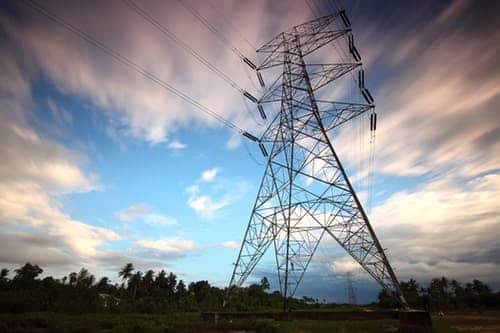
The Michigan Public Service Commission on Jan. 29 approved new voluntary filing guidelines aimed at improving public engagement and increasing routing flexibility for proposed high-voltage electric transmission lines, a move designed to address landowner concerns and strengthen confidence in the state’s transmission siting process. The action establishes clearer expectations for transmission developers seeking certificates of public convenience and necessity for large projects subject to state review.
The guidelines respond to lessons learned from the commission’s approval last year of Michigan’s first interstate high-voltage transmission projects in more than 50 years. Those approvals came amid growing concern over limited and late-stage engagement with affected landowners. By formalizing best practices for outreach and route development, the regulator is seeking to promote greater transparency, consistency, and efficiency in future proceedings.
Under the new framework, applicants are encouraged to begin public engagement early by clearly defining a study area and sharing general construction plan information, including a dedicated public contact and a structured approach for gathering feedback from residents and local governments. Developers are advised to invite all affected landowners and municipalities to public meetings, along with those located within one mile of the proposed right of way.
A central feature of the guidelines is the emphasis on route flexibility. Applicants are expected to identify and review multiple alternate routes in coordination with landowners and municipalities, consider route adjustments proposed by property owners, and explain how public input influenced the final route selection. The recommendations also call for a dedicated public comment period following the final applicant-hosted meeting to allow for additional feedback before an application is finalized.
The guidelines outline specific topics that should be addressed during public meetings, including general project information, the regulatory process, and information on electric and magnetic fields associated with transmission lines. Additional expectations cover improved public notice materials and more detailed application content, such as justification for study areas and rights of way, use of route evaluation tools, and assessment of alternative routes suggested by the public.
The commission’s action comes as the regional grid operator advances the largest backbone transmission investment portfolios in U.S. history, with several projects planned for Michigan. Against this backdrop, the new guidelines are intended to help balance the urgency of grid expansion with the need for meaningful landowner participation.
EnerKnol Pulses like this one are powered by the EnerKnol Platform—the first comprehensive database for real-time energy policy tracking. Sign up for a free trial below for access to key regulatory data and deep industry insights across the energy spectrum.
ACCESS FREE TRIAL