

EPA Rolls Back 2024 Mercury Emission Rules for Coal Power Plants, Restoring 2012 Standards
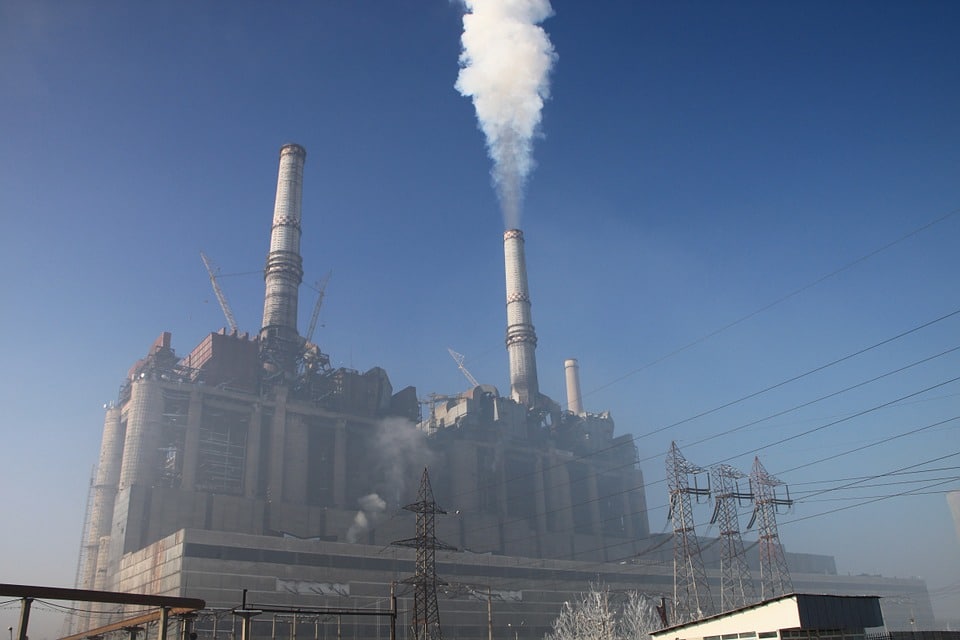
The U.S. Environmental Protection Agency on Feb. 20 finalized a rule repealing the 2024 amendments to the Mercury and Air Toxics Standards, or MATS, for coal- and oil-fired power plants, restoring the original 2012 requirements. The action returns compliance obligations to the earlier framework, which regulators determined continues to protect public health while reducing compliance burdens for electricity generators.
The repeal eliminates updated limits on filterable particulate matter for coal-fired units, revised mercury standards for lignite-fired plants, and requirements for continuous particulate emissions monitoring. Regulators concluded these revisions imposed net costs and reduced operational flexibility without providing commensurate health benefits. Compliance now reverts to the 2012 standards, which the agency maintains provide an adequate margin of safety.
EPA estimates the change will deliver approximately $670 million in cost savings. Federal officials link the compliance cost reductions to broader economic effects, including lower power production expenses and reduced cost pressures across manufacturing, transportation, and household energy use.
Environmental groups opposed the rollback. The Natural Resources Defense Council argued dismantling updated toxic standards would not revive the coal industry and warned the action could increase exposure to hazardous air pollutants, leading to greater risks of asthma, heart disease, and premature deaths, particularly in communities near coal-fired power plants. The organization also signaled its intent to challenge the rule.
The Mercury and Air Toxics Standards were first adopted in 2012 to limit emissions of hazardous air pollutants including mercury, acid gases, toxic metals, and organic compounds from fossil-fueled power plants. EPA’s required eight-year review completed in 2020 concluded the standards effectively protected public health and did not require revision based on available control technologies. By 2021, mercury emissions from coal plants had declined about 90 percent from pre-rule levels, while acid gas emissions dropped more than 96 percent and non-mercury metals fell more than 81 percent.
EPA proposed reconsideration of the 2024 amendments in June 2025 as part of a broader review of power sector regulations. The final action is expected to provide regulatory certainty for generators in coal-dependent regions where plant retirements have raised concerns about maintaining sufficient around-the-clock electricity supply.
EnerKnol Pulses like this one are powered by the EnerKnol Platform—the first comprehensive database for real-time energy policy tracking. Sign up for a free trial below for access to key regulatory data and deep industry insights across the energy spectrum.
ACCESS FREE TRIAL