

Minnesota Approves New Gas Service Rules to Advance Home Electrification and Gas System Planning
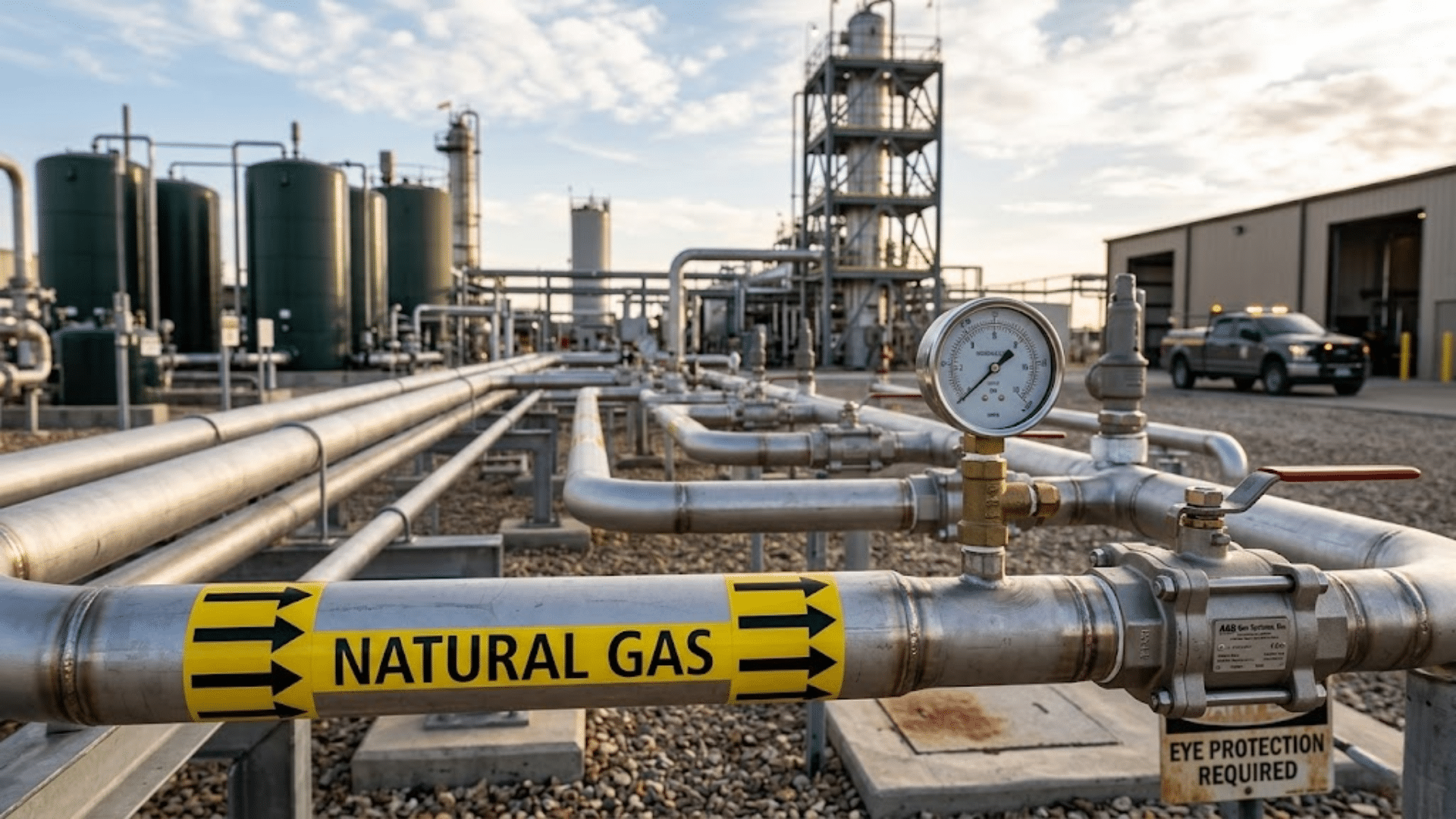
The Minnesota Public Utilities Commission on June 5 approved new requirements governing how regulated natural gas utilities extend service to new residential customers, advancing a broader effort to align gas system planning with the state’s energy efficiency and decarbonization goals. The action directs customer-funded utility programs toward lower-emission homes while maintaining reliable and affordable energy service.
The order requires regulated gas utilities to file updated Energy Conservation and Optimization programs that fund energy-saving measures and prioritize high-efficiency new homes. To qualify for program support, single-family residences must exceed state building code efficiency standards, install heat pump technology for space conditioning, and avoid rebate structures tied to specific natural gas appliances. Program proposals will remain subject to review by the Minnesota Department of Commerce.
The regulator also directed Xcel Energy to evaluate dual-fuel heating approaches as part of ongoing discussions related to gas rate design and resource planning. These systems rely primarily on electricity for heating needs and switch to natural gas during periods of extreme cold, helping reduce emissions while limiting strain on the electric system during peak demand events. The analysis will be incorporated into the utility’s upcoming Gas Integrated Resource Plan.
In addition, the commission adopted standardized cost allowances for new residential gas connections. Utilities may provide allowances covering up to 75 feet of service line extensions and up to 80 feet of main extensions for new customers. Companies experiencing three consecutive years of declining system throughput or falling average residential consumption will be required to submit reports for regulatory review, providing greater visibility into long-term system utilization trends.
The decision comes as Minnesota prepares to review its first Natural Gas Integrated Resource Plans later this summer. Those proceedings are expected to examine long-term gas system use, decarbonization pathways, infrastructure investment needs, and coordination between electric and natural gas planning as the state evaluates the future role of natural gas in a changing energy landscape.
EnerKnol Pulses like this one are powered by the EnerKnol Platform—the first comprehensive database for real-time energy policy tracking. Sign up for a free trial below for access to key regulatory data and deep industry insights across the energy spectrum.
ACCESS FREE TRIAL