

PJM Advances 200 GW of Generation Projects Under Reformed Interconnection Process
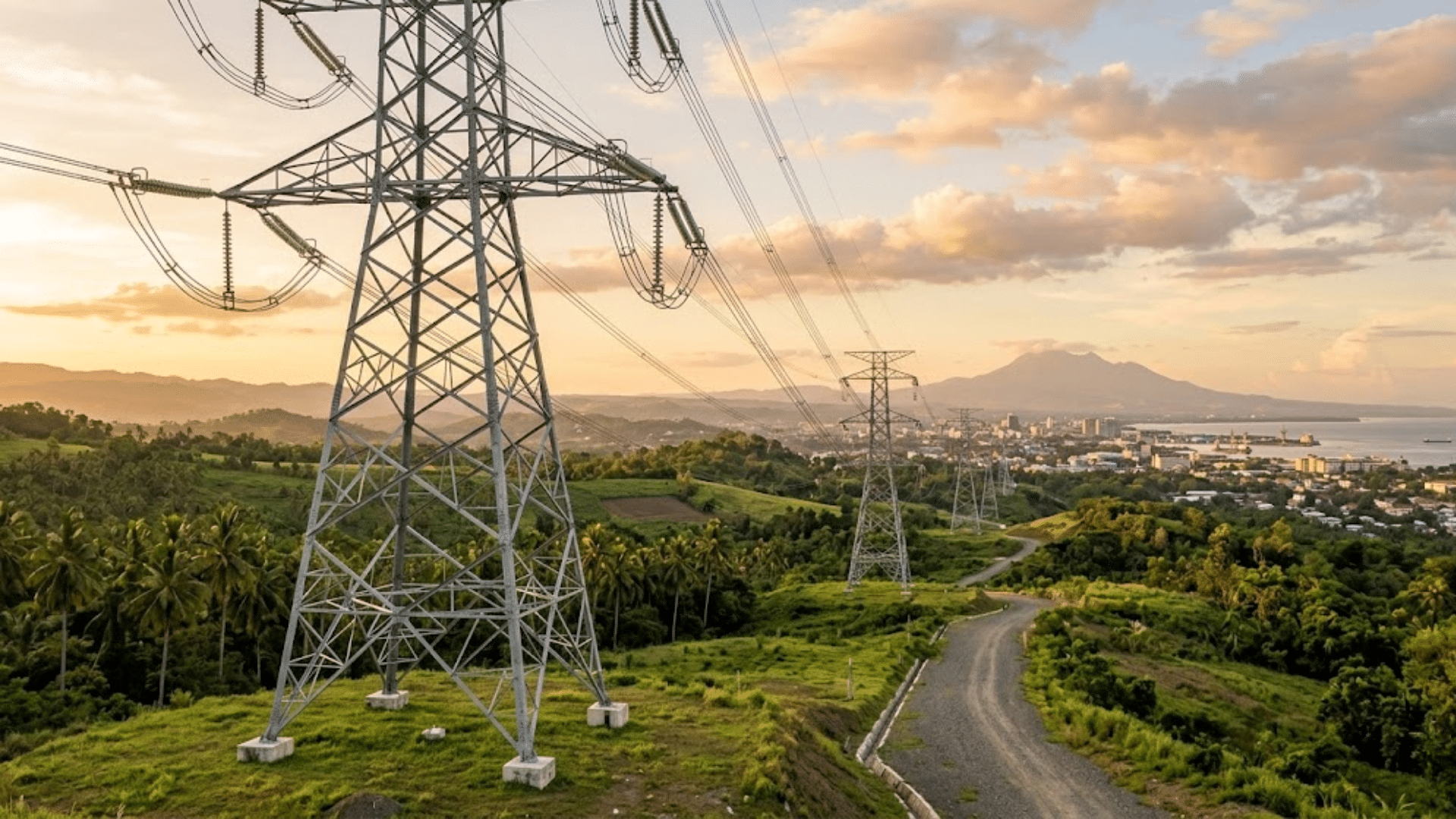
PJM Interconnection on Aug. 3 advanced 715 proposed electricity generation projects into the first cycle of its redesigned grid connection process, marking the first large-scale use of reforms intended to accelerate new generation projects while reducing speculative applications. The projects represent more than 200 gigawatts of potential generating capacity and will undergo engineering studies over the next one to two years. The changes are intended to help bring new generation online more quickly as electricity demand continues to rise across the regional grid.
The first application window under the revised process closed April 27 and attracted 811 proposals. After reviewing technical information, financial commitments and evidence that projects have secured development sites, PJM determined that 715 projects were sufficiently advanced to enter the study phase. The organization also eliminated the remaining backlog from earlier application queues, ending years of delays that had slowed project reviews.
The qualified projects include a diverse mix of technologies, led by energy storage, natural gas, solar, wind and nuclear resources. Natural gas accounts for the largest share of proposed generating capacity, followed by storage and nuclear generation. PJM noted that not every project entering the study process is expected to reach construction. Developers must still complete technical reviews, obtain permits, secure financing and satisfy other development requirements before connecting to the grid.
The grid operator is also using new analytical tools to improve efficiency, including HyperQ, an artificial intelligence-based platform developed by Google’s Tapestry to process large volumes of application data. PJM plans to assess the tool’s performance throughout the first study cycle as it works to shorten review timelines and improve consistency.
Since 2020, PJM has reviewed more than 300 gigawatts of proposed generation and executed grid connection agreements for more than 100 gigawatts, although many projects have encountered delays because of state permitting requirements, supply chain constraints and financing challenges. PJM expects additional projects to secure agreements as transition cycle 2 studies conclude in early 2027 and the first cycle under the new process wraps up in 2028. The operator also plans to release updated system planning models on Aug. 28 and Sept. 11 to help developers evaluate potential grid impacts before the next phase of technical studies.
EnerKnol Pulses like this one are powered by the EnerKnol Platform—the first comprehensive database for real-time energy policy tracking. Sign up for a free trial below for access to key regulatory data and deep industry insights across the energy spectrum.
ACCESS FREE TRIAL