

California Approves $95.2 Million Plan to Expand Zero-Emission Vehicle Charging Infrastructure
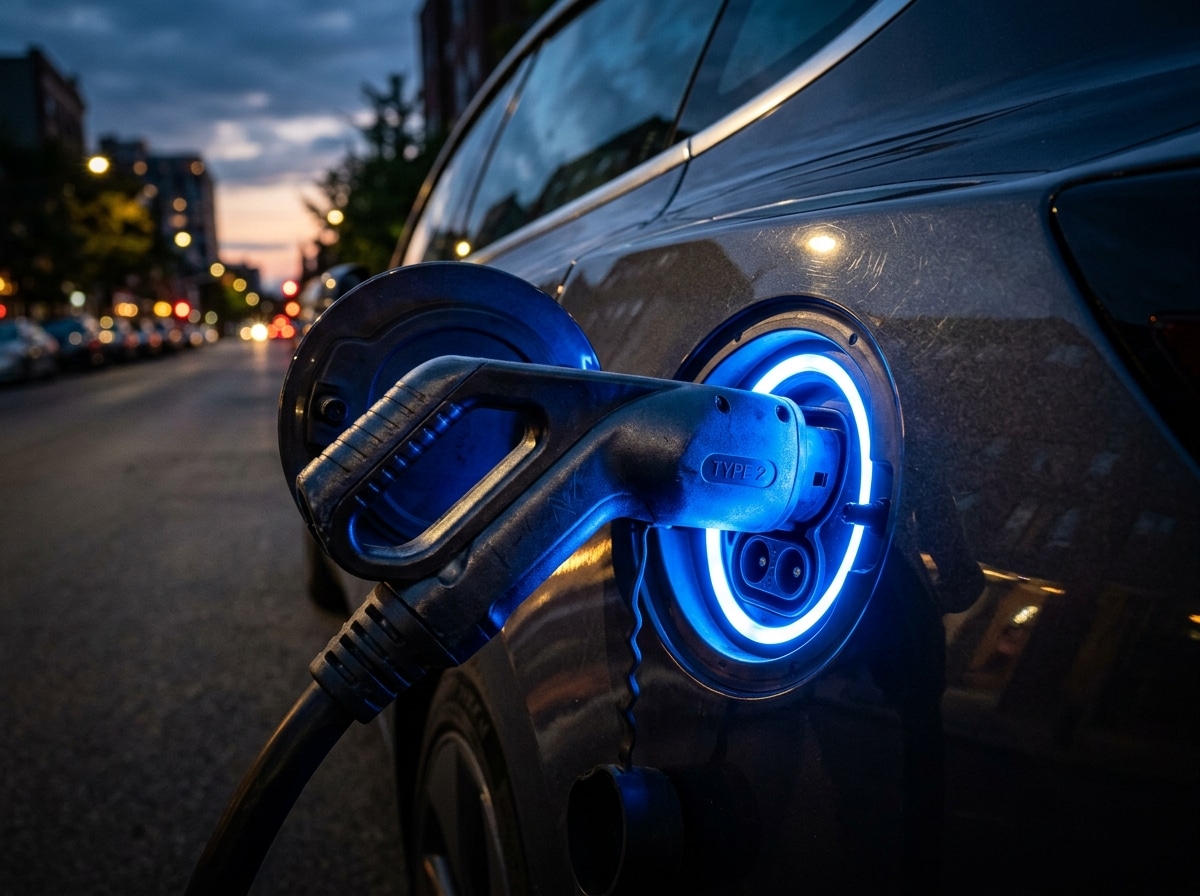
The California Energy Commission on Aug. 18 approved a $95.2 million investment plan to expand zero-emission vehicle infrastructure and support the state’s transition to cleaner transportation. The funding, administered through the commission’s Clean Transportation Program, or CTP, will support electric vehicle charging and hydrogen refueling infrastructure for light-, medium- and heavy-duty vehicles, as well as workforce development. The plan covers spending for the current fiscal year and outlines projected allocations through 2028-2029.
The largest allocation, $48 million, will support light-duty electric vehicle charging, with an emphasis on fast-charging stations and charging options at or near homes. Another $30.2 million will fund infrastructure for medium- and heavy-duty vehicles, including projects serving freight operations, ports, public fleets and school buses. The plan also provides $15 million for hydrogen refueling and $2 million for workforce training and development.
Equity remains a central requirement of the program, with at least 50 percent of funding directed toward projects benefiting low-income Californians and disadvantaged communities. More than 62 percent of CTP and supplemental funding had gone to such communities as of March 2026. Since 2008, the program has directed more than $2.7 billion toward zero-emission transportation infrastructure and related projects.
The latest investment builds on an expanding statewide charging network. California has more than 216,000 publicly available and shared charging ports, including more than 20,000 fast chargers, alongside an estimated 800,000-plus residential chargers. Program funding has also supported more than 52,000 charging ports that are installed or planned, over 40 manufacturing projects and more than 30 workforce training projects.
The commission plans to release an updated assessment of statewide charging needs and its first reliability report later this year. At the same time, other state programs are supporting vehicle adoption, including $3,500 rebates for eligible new zero-emission vehicles and $1,750 for used vehicles under the MyFirstEV program, as well as financial assistance for eligible rideshare drivers.
EnerKnol Pulses like this one are powered by the EnerKnol Platform—the first comprehensive database for real-time energy policy tracking. Sign up for a free trial below for access to key regulatory data and deep industry insights across the energy spectrum.
ACCESS FREE TRIAL