

Minnesota Commission Examines Affordability of Electric and Natural Gas Utility Service
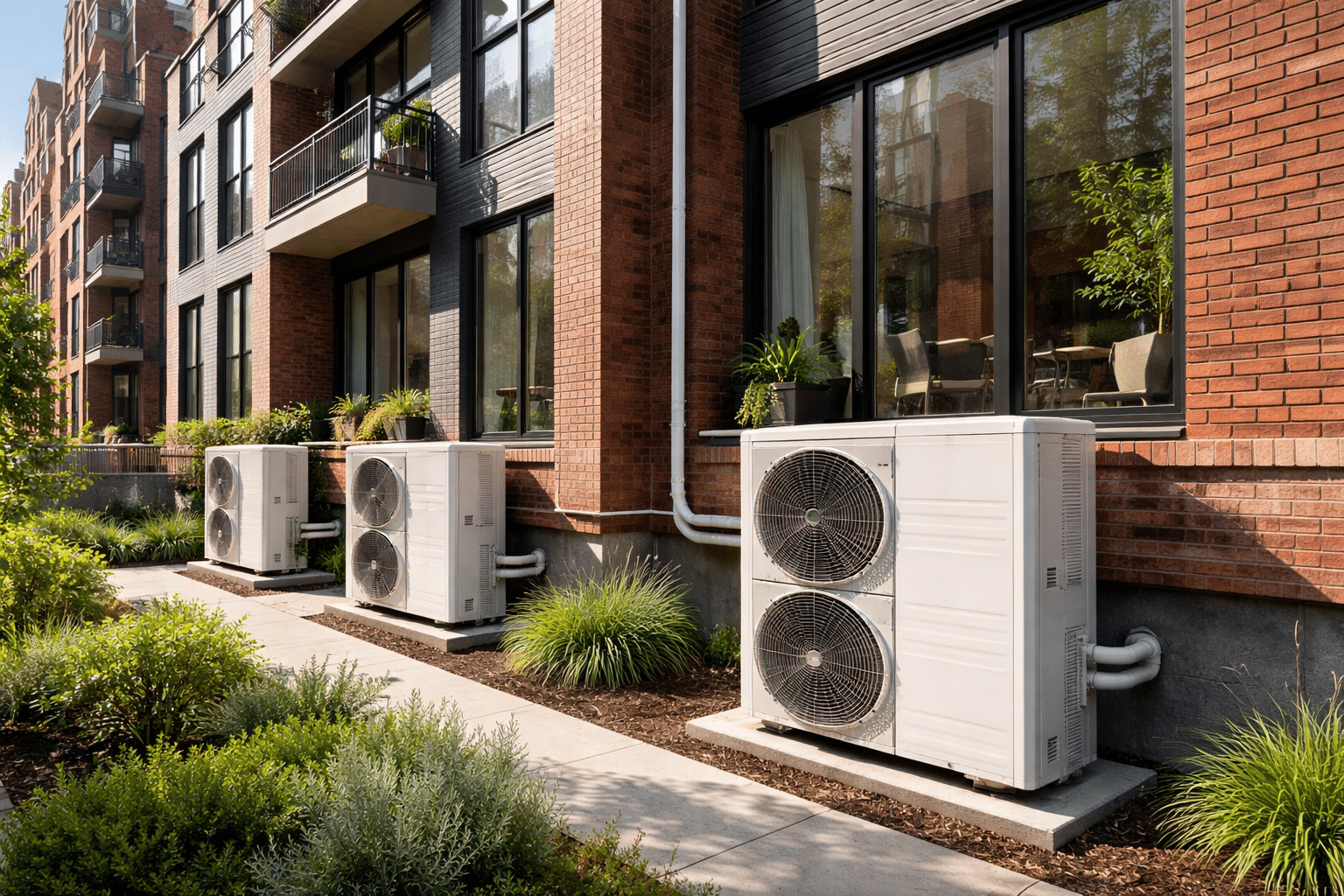
The Minnesota Public Utilities Commission on Sept. 25 launched a statewide investigation into the affordability of electric and natural gas service, opening a broad review of how regulatory decisions, state and federal requirements, and other cost drivers affect customer bills. The effort will examine whether the commission’s existing oversight tools are sufficient to address affordability concerns and whether additional regulatory or legislative changes could better support households, businesses, and agricultural customers while preserving safe, reliable, and cleaner energy service.
The inquiry will evaluate how rate-regulated utilities recover costs and whether current policies strike the right balance between customer protection and long-term investment needs. The review comes as utilities continue investing in grid modernization, clean energy development, and infrastructure upgrades that can place additional pressure on customer bills even as Minnesota maintains comparatively low utility costs.
The commission highlighted that Minnesota remains among the country’s stronger performers on affordability. Residential electricity bills ranked among the nation’s lowest in 2024, and the regulator has rejected more than $1 billion in proposed utility rate increases over recent years. Those decisions reflect a broader effort to scrutinize utility spending before allowing costs to be recovered from customers.
The agency has also adopted several affordability-focused measures in recent years, including strengthening assistance programs for lower-income customers, limiting the amount of executive compensation that utilities can recover through rates, and blocking recovery of lobbying expenses from customer bills. Those actions provide a foundation for the broader investigation, which will determine whether additional reforms could further improve affordability without weakening utility service.
The Regulatory Assistance Project will facilitate the review through a series of public informational sessions scheduled for Oct. 13, Nov. 2, and Dec. 8, each providing opportunities for stakeholder participation and public input. Written comments will also be accepted throughout the process to help inform the commission’s analysis.
The investigation is expected to conclude with a final report in early 2027 that will outline recommendations for the Governor of Minnesota and the Minnesota Legislature.
EnerKnol Pulses like this one are powered by the EnerKnol Platform—the first comprehensive database for real-time energy policy tracking. Sign up for a free trial below for access to key regulatory data and deep industry insights across the energy spectrum.
ACCESS FREE TRIAL