

California Commission Directs Utilities to Coordinate Customer Energy Resources to Reduce Grid Upgrade Costs
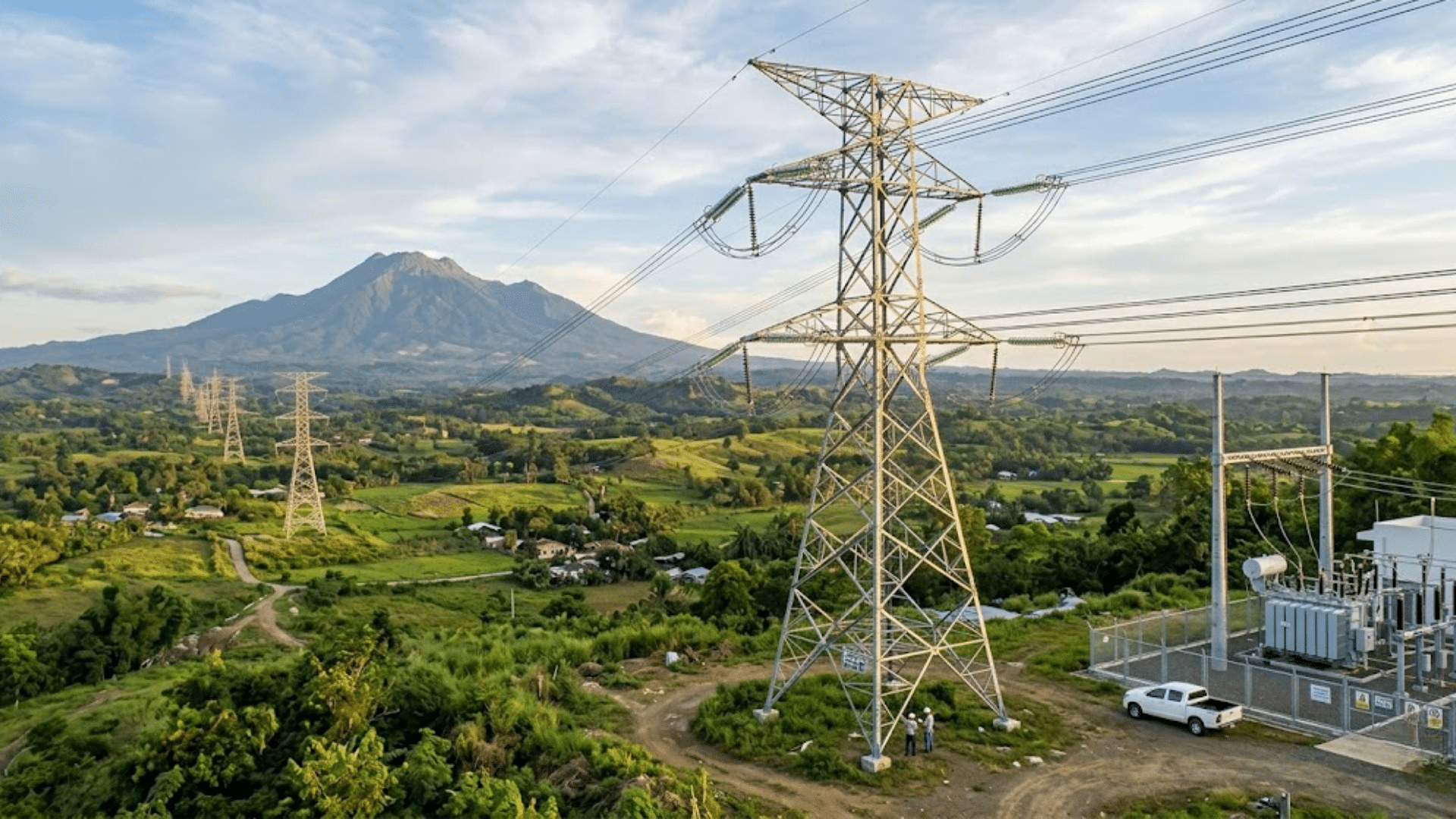
The California Public Utilities Commission on Oct. 29 directed Pacific Gas and Electric Company, Southern California Edison, and San Diego Gas & Electric to develop a common framework for coordinating distributed energy resources, including customer-sited batteries, electric vehicles and other flexible electricity technologies. The initiative aims to make better use of customer-owned resources to address local grid needs, support electrification and decarbonization, and reduce or defer costly infrastructure upgrades.
The proposed framework will enable utilities to coordinate these resources through improved visibility, forecasting and scheduling capabilities. These tools will help identify where and when electricity demand requires support and allow eligible resources to provide services based on specific local grid requirements. Coordinated management could help utilities address peak demand, manage distribution network constraints, support outage mitigation and service restoration, and limit the need for conventional infrastructure investments.
The agency directed the three utilities to work with stakeholders to develop a proposal covering communications standards, data sharing, cybersecurity, and customer protections. The framework must also establish clear participation pathways for customers, energy service providers, community choice aggregators and other resource providers while addressing unnecessary barriers and avoiding duplicate compensation for grid services. The utilities will first establish common rules across the state before submitting individual implementation proposals. These plans will account for differences in each utility’s technological readiness, allowing implementation to progress incrementally.
Separately, the regulator directed the utilities to incorporate new electricity demand flexibility scenarios into their annual distribution planning process, beginning with the 2028–2029 planning cycle. The scenarios will supplement existing low-, base- and high-demand forecasts by examining how shifting electric vehicle charging, using batteries and adjusting electricity consumption could affect the timing, scale and location of grid investments.
The new planning approach will require utilities to account for the availability of flexible demand at specific locations and times while avoiding double counting of potential benefits. This could help identify areas where customer resources can address local grid constraints instead of requiring conventional infrastructure upgrades, potentially lowering costs for ratepayers.
EnerKnol Pulses like this one are powered by the EnerKnol Platform—the first comprehensive database for real-time energy policy tracking. Sign up for a free trial below for access to key regulatory data and deep industry insights across the energy spectrum.
ACCESS FREE TRIAL