

PJM Board Approves $2.9 Billion in Transmission Cost Increases for Valley Link, Exelon Projects
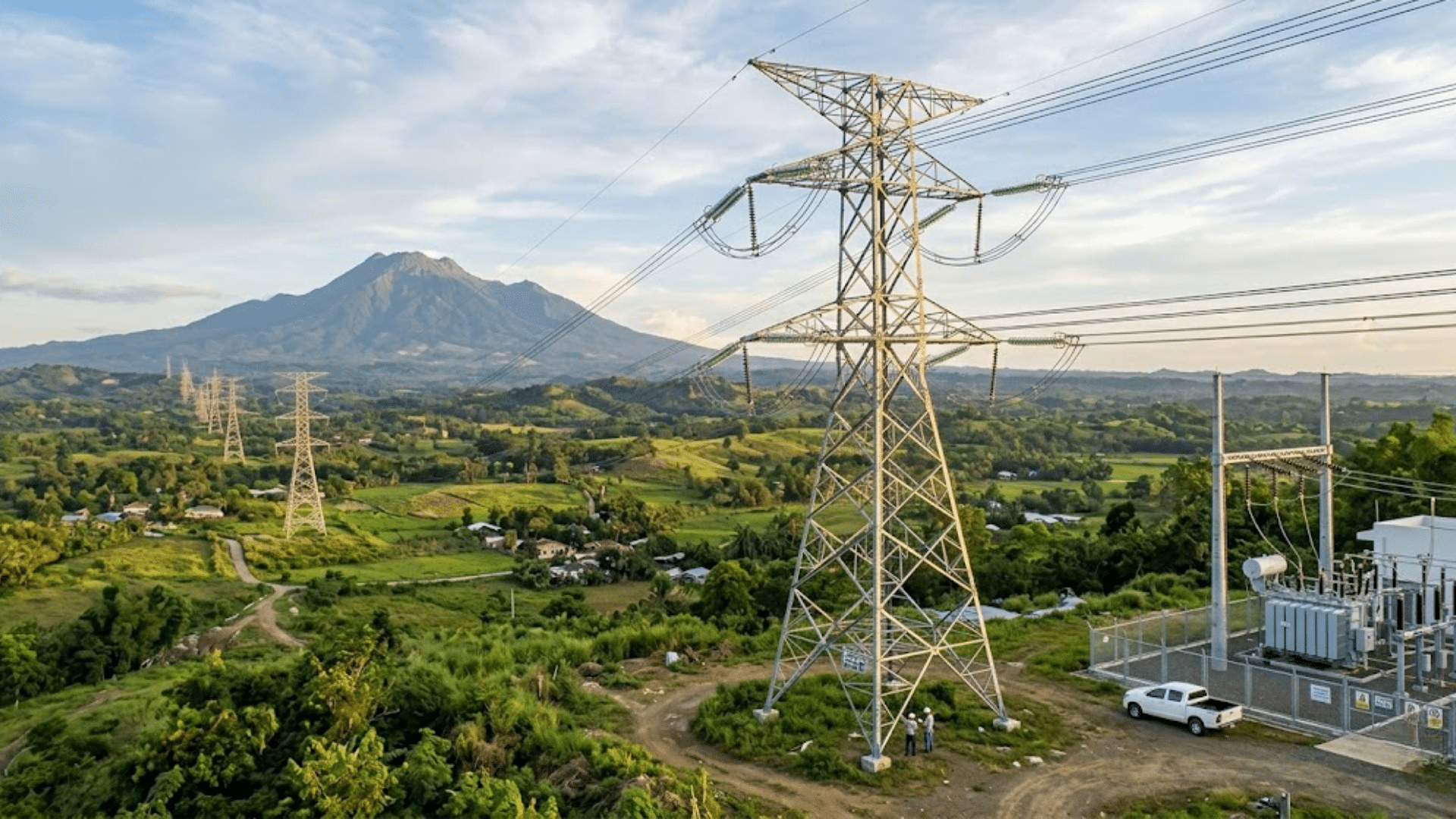
The PJM Board of Managers on Nov. 18 approved changes to the scope and cost estimates of several baseline transmission projects under its Regional Transmission Expansion Plan, citing rising construction expenses and growing grid reliability needs. The revisions affect projects awarded to Valley Link VA, a consortium of Transource, Dominion Energy and FirstEnergy, and Exelon Corp. and its subsidiaries through three competitive transmission windows.
The largest revisions involve Valley Link’s projects selected through the 2024 Window 1 process. The projects comprise two 765-kilovolt transmission lines and associated substations designed to establish a high-voltage backbone across PJM’s west-to-east transmission corridor. The infrastructure will accommodate projected electricity demand growth and changing power flows while addressing potential transmission overloads. The estimated cost has increased from approximately $3 billion in 2024 dollars to $5.1 billion in 2026 dollars. Higher construction labor, land acquisition, material and equipment costs contributed to the increase. Project in-service dates have also shifted from June 2029 to between January 2030 and May 2031, following additional routing assessments, stakeholder engagement and permitting work.
Separately, projects awarded to Exelon and its subsidiaries across three competitive windows have recorded a combined cost increase of $783 million, bringing their revised estimate to $1.69 billion. Much of the work involves upgrades required before the planned retirement of the Brandon Shores and Wagner generating units in Maryland. Delays could require the plants to continue operating under reliability must-run arrangements, increasing costs and reliability risks. Higher utility labor rates, workforce shortages, wage inflation and project complexity contributed to the revisions.
PJM staff reviewed the changes with its Transmission Expansion Advisory Committee and recommended that the board proceed with the projects. The underlying reliability needs remain unchanged, while implementation timelines have become increasingly urgent. Further delays could extend regulatory proceedings and increase costs without materially changing the required solutions.
PJM’s transmission planning process evaluates grid requirements up to 15 years ahead, incorporating reliability standards, market efficiency and public policy needs. The approvals underscore the growing cost of expanding PJM’s transmission network as electricity demand rises and power flows shift across the region. They also highlight the challenge of completing critical grid upgrades on time as construction costs increase and project schedules extend.
EnerKnol Pulses like this one are powered by the EnerKnol Platform—the first comprehensive database for real-time energy policy tracking. Sign up for a free trial below for access to key regulatory data and deep industry insights across the energy spectrum.
ACCESS FREE TRIAL