

California Accelerates EV Charger Rollout with Six New Laws
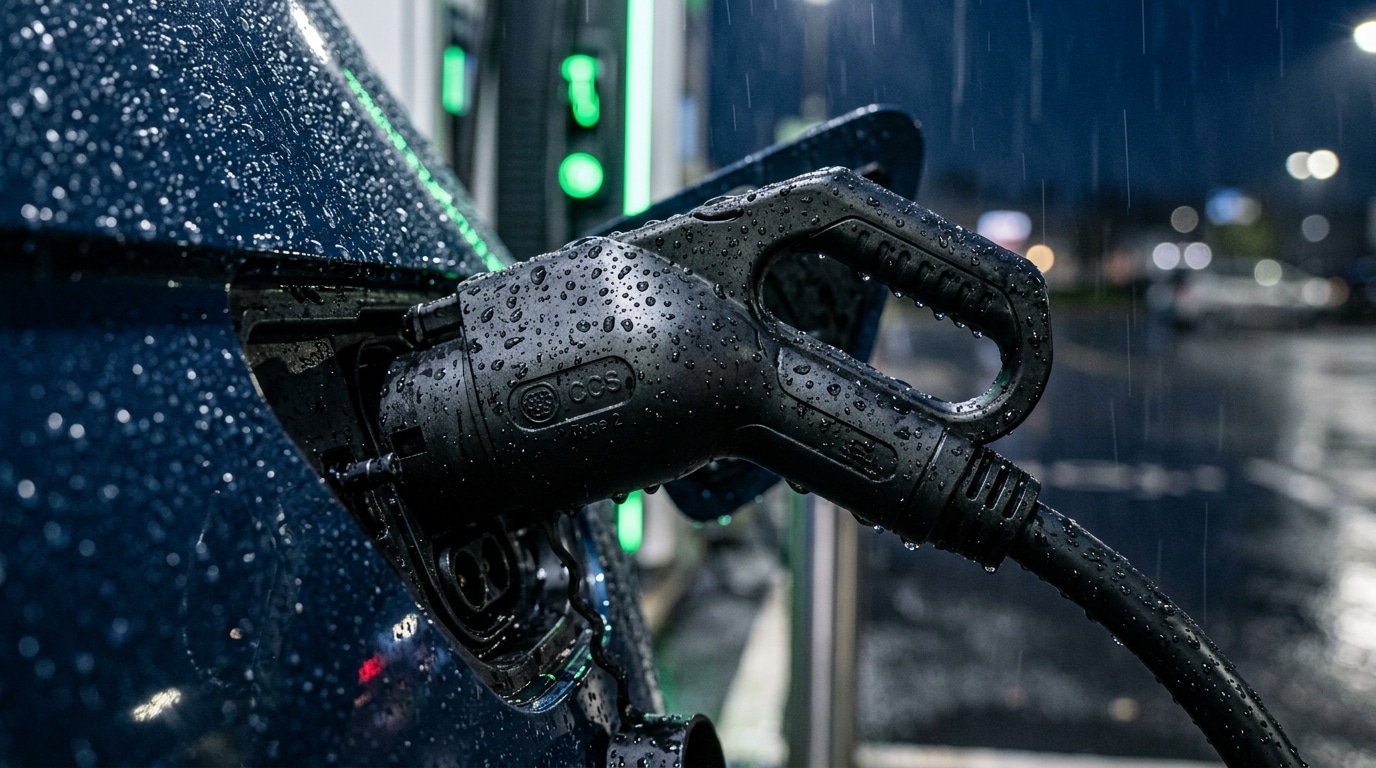
California Governor Gavin Newsom on Sep. 20 signed a package of six clean transportation bills to accelerate electric vehicle charger deployment, expand access to EV charging infrastructure, and strengthen consumer protections for zero-emission vehicles. The legislation streamlines permitting for charging projects, modernizes inspection rules that can delay public chargers, expands charging access at multifamily housing and homeowner associations, and improves transparency around zero-emission truck incentives and EV battery information. The measures are intended to reduce practical barriers that can slow EV adoption while supporting California’s broader effort to cut transportation emissions and reduce dependence on oil.
A key provision updates California’s inspection process for public charging equipment, allowing manufacturer-tested chargers to enter service more quickly while maintaining consumer safeguards. Another measure clarifies that streamlined permitting for charging installations also applies to related work, including electrical upgrades, trenching, solar canopies, and battery storage, reducing delays that can hold up construction. The package also includes legislation to lower permitting barriers and fees for EV charging projects at apartments and mixed-use developments, helping renters gain better access to charging where they live.
The package also expands consumer protections by improving transparency for zero-emission truck incentives, making it easier for residents in homeowner associations to install charging equipment, and requiring clearer battery information for EV shoppers comparing models.
The legislation complements California’s MyFirstEV program, which offers eligible first-time buyers EV rebates of up to $3,500 for qualifying new zero-emission vehicles and up to $1,750 for qualifying used models. The program is backed by a $135.5 million state investment that participating automakers are matching, creating $271 million in point-of-sale incentives.
The measures build on California’s broader clean transportation strategy, supported through funding from the state’s Cap-and-Invest program and smog-abatement fees. The California Energy Commission also allocated $98.5 million for light-duty EV charging infrastructure during fiscal year 2025-26, with an emphasis on Level 1 and Level 2 chargers at homes and multifamily properties. California now has more than 216,000 public and shared charging plugs statewide, while cumulative zero-emission vehicle sales have surpassed 2.7 million, reinforcing the state’s position as one of the nation’s largest EV markets.
EnerKnol Pulses like this one are powered by the EnerKnol Platform—the first comprehensive database for real-time energy policy tracking. Sign up for a free trial below for access to key regulatory data and deep industry insights across the energy spectrum.
ACCESS FREE TRIAL