

California Launches Incentive Program to Help Rideshare Drivers Switch to Zero-Emission Vehicles
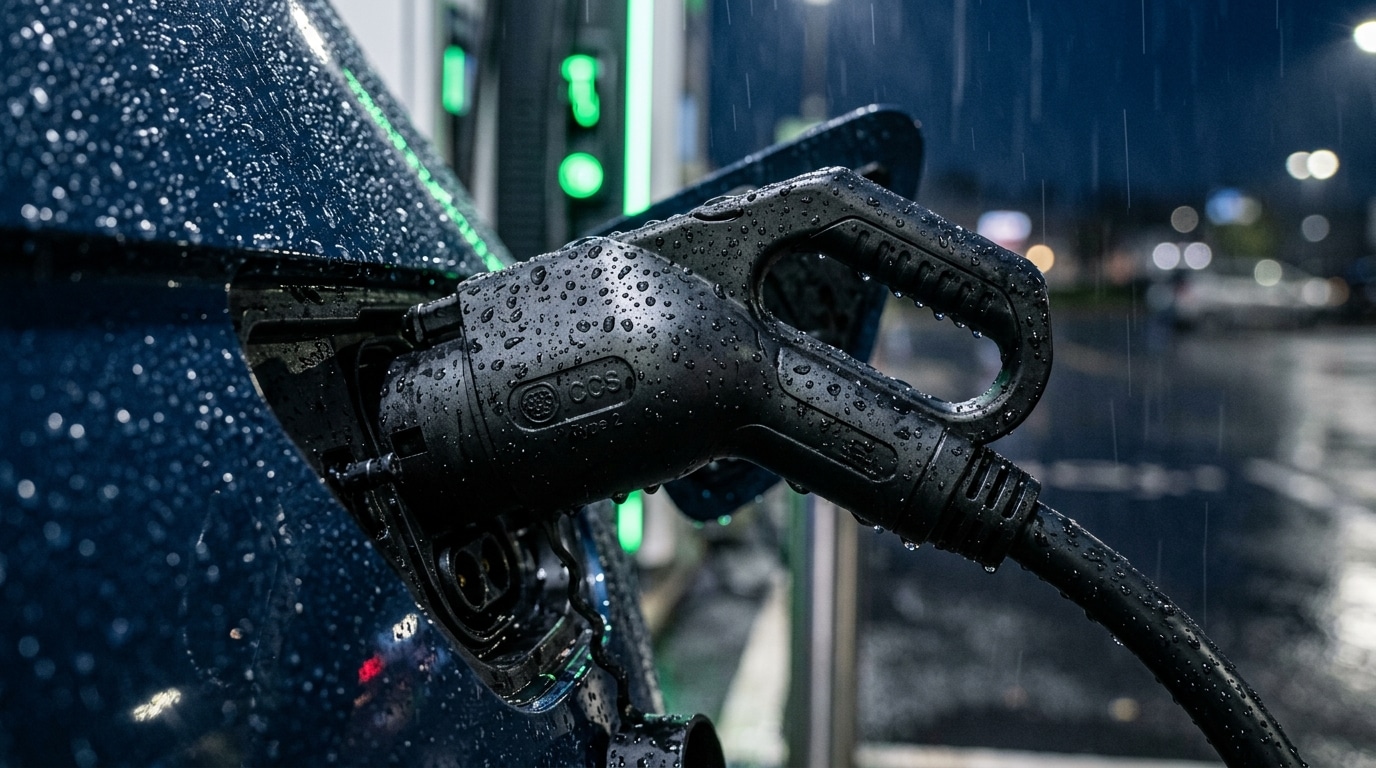
The California Public Utilities Commission on Oct. 19 announced the Rideshare Incentives for Driving Electric program, which will provide financial assistance to eligible rideshare drivers purchasing or leasing zero-emission vehicles. The initiative aims to reduce upfront vehicle costs and support California’s transition to cleaner transportation.
Eligible low- and moderate-income drivers working with transportation network companies, including HopSkipDrive, Lyft and Uber, may receive up to $20,300 toward a new zero-emission vehicle or $14,200 toward a used vehicle. Qualifying vehicles include battery-electric and hydrogen fuel-cell electric models that meet program requirements.
Applicants must have a household income at or below 400 percent of the federal poverty level and have completed at least 4,500 passenger trips across rideshare platforms during the preceding 12 months. These requirements target high-volume drivers who depend on their vehicles for their livelihoods and spend substantial time on the road.
The program also provides assistance with charging expenses. Drivers receiving a vehicle incentive automatically qualify for up to $1,170 annually toward charging costs for up to four years, subject to continued eligibility and annual renewal requirements.
Drivers who pre-qualify can apply the incentive directly to a vehicle purchase or lease at a participating dealership, reducing the upfront payment or amount financed. A post-purchase application option is also available, although drivers who buy a vehicle before confirming their eligibility risk being denied the incentive. Participants may also qualify for additional local, utility and other electric vehicle incentive programs.
The initiative supports California’s broader efforts to reduce transportation-related emissions and improve air quality by accelerating zero-emission vehicle adoption. Replacing vehicles used extensively for rideshare services could help reduce emissions from daily transportation activity. Electric vehicles may also lower operating expenses for drivers, depending on vehicle costs, electricity rates and driving patterns.
Drivers can submit applications beginning Nov. 2, 2026.
EnerKnol Pulses like this one are powered by the EnerKnol Platform—the first comprehensive database for real-time energy policy tracking. Sign up for a free trial below for access to key regulatory data and deep industry insights across the energy spectrum.
ACCESS FREE TRIAL