

California Regulator Shifts $1.4 Billion Climate Credits to Peak Months to Cut Energy Bill Spikes
The California Public Utilities Commission on April 30 approved a change in how the state’s Climate Credit is delivered, moving the bill relief to months when household energy costs are typically highest. The adjustment is intended to improve affordability by aligning financial support with periods of peak electricity and heating demand, without requiring any action from customers.
Beginning in 2026, residential electricity customers served by the state’s largest investor-owned utilities will receive credits in August and September, when summer cooling drives higher bills. Customers of smaller utilities will see credits later in the year, with a transitional schedule in 2026. Starting in 2027, residential natural gas customers will receive credits in February to coincide with winter heating demand. The regulator’s decision replaces the previous April and October distribution timeline.
The Climate Credit is funded through California’s Cap-and-Invest Program, which requires large greenhouse gas emitters to purchase allowances. Proceeds are returned to households as bill reductions while also supporting broader decarbonization efforts. The California Air Resources Board administers the program. For 2026, total credits are projected at $894 million for electricity customers and $520 million for natural gas customers.
The revised schedule is designed to reduce seasonal bill spikes, improve household cash flow during extreme weather periods, and enhance the visibility of the benefit. Utilities must also strengthen customer communication by clearly identifying credits on bills and improving outreach.
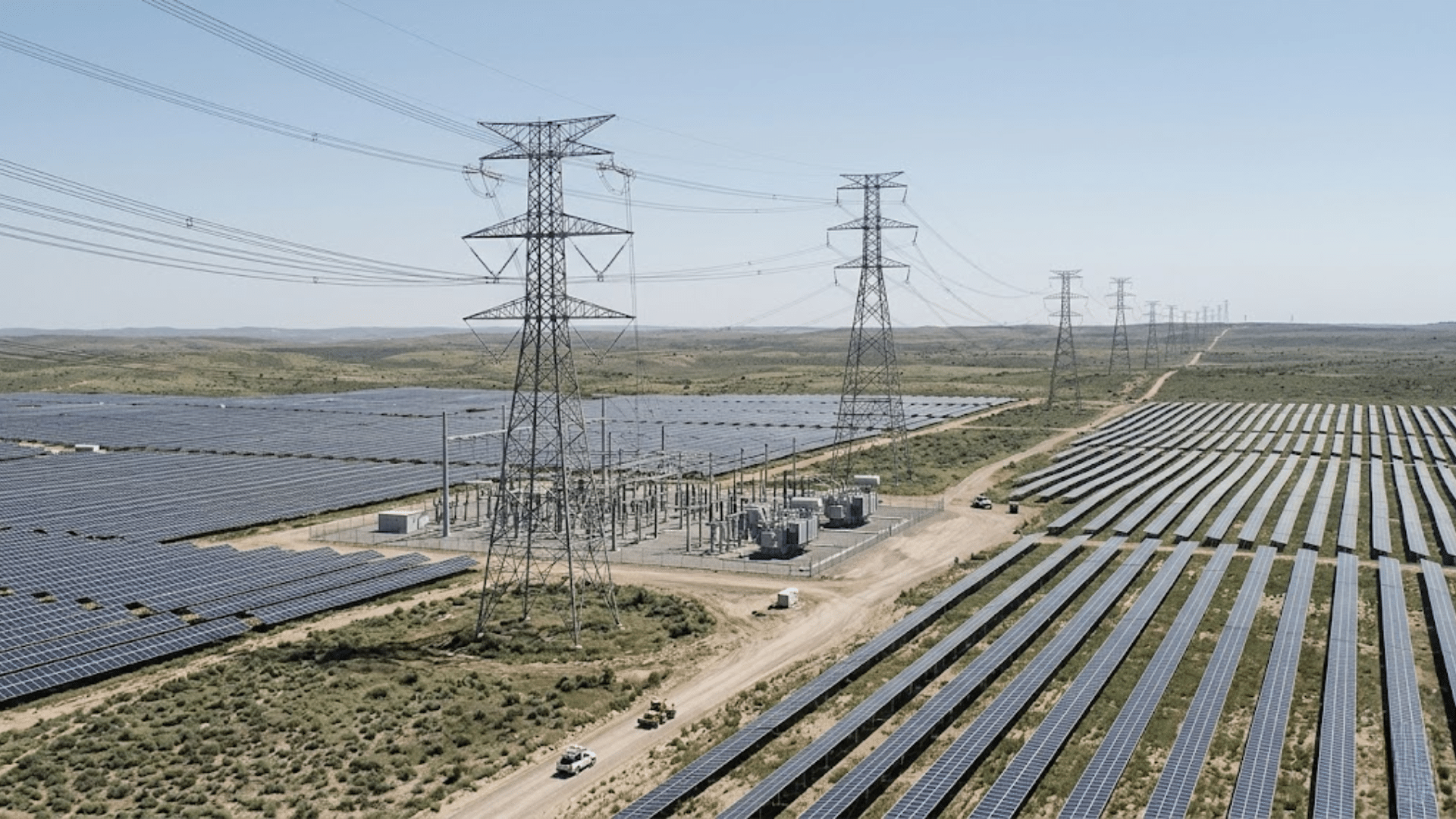
Beyond near-term relief, the decision directs 5 percent of electric utility proceeds from the program toward a transmission financing fund aimed at accelerating grid expansion. The investment is expected to support long-term reliability, enable additional clean energy integration, and moderate future costs for ratepayers.
The action implements provisions of Assembly Bill 1207, enacted in 2025, which extends the Cap-and-Invest Program through 2045 and requires that customer benefits be timed to periods of highest need. A subsequent phase of the proceeding will consider further refinements to expand affordability measures and improve program effectiveness.
EnerKnol Pulses like this one are powered by the EnerKnol Platform—the first comprehensive database for real-time energy policy tracking. Sign up for a free trial below for access to key regulatory data and deep industry insights across the energy spectrum.
ACCESS FREE TRIAL