

Maryland Launches $200 Million Clean Energy Auction to Expand Power Supply
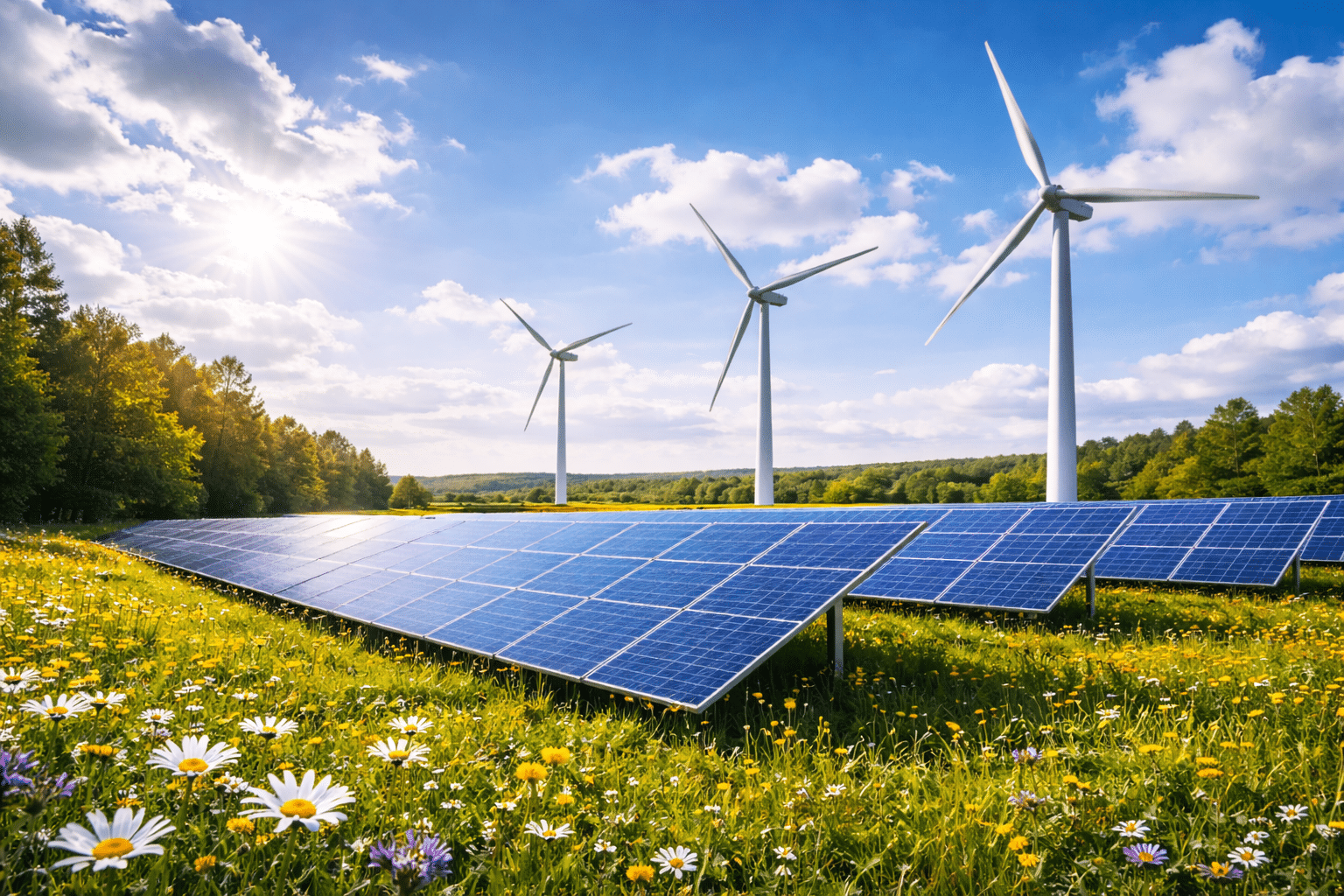
Maryland Governor Wes Moore on Oct. 26 launched Megawatts for Maryland, a $200 million clean energy auction program to expand in-state electricity generation and help lower power costs. Administered by the Maryland Energy Administration, the two-year initiative will fund renewable energy generation and energy storage projects, helping offset development and construction costs. Established under the Utility RELIEF Act, signed into law earlier this year, the program will allocate up to $100 million annually from the Strategic Energy Investment Fund.
The program aims to address investment gaps following the Trump administration’s cancellation of clean energy investment tax credits under the Inflation Reduction Act. Developers must submit preliminary applications by Nov. 30, 2026, to establish eligibility. Qualified applicants must submit bids and supporting documentation by Jan. 22, 2027.
The initiative builds on state efforts to address rising electricity costs and anticipated supply constraints. In September, Moore issued an executive order on responsible data center development to protect ratepayers from electricity price increases associated with growing data center demand. In December 2025, another executive order was issued focused on energy affordability and anticipated generation shortfalls. The administration has also provided $200 million in household rebates and secured an additional $100 million in relief through the Utility RELIEF Act.
In April, Moore joined other governors across the PJM region in urging PJM Interconnection, the regional grid operator, to address rising electricity costs linked to data center growth.
Separately, Moore and the Maryland Department of General Services announced a long-term power purchase agreement in August to expand the state’s use of locally generated solar electricity. The agreement is expected to save approximately $300 million over 20 years, double the state’s direct renewable energy purchases and provide enough renewable electricity to meet nearly 15 percent of state government’s electricity needs beginning in 2028.
EnerKnol Pulses like this one are powered by the EnerKnol Platform—the first comprehensive database for real-time energy policy tracking. Sign up for a free trial below for access to key regulatory data and deep industry insights across the energy spectrum.
ACCESS FREE TRIAL