

Michigan Regulator Approves $276.6 Million Consumers Energy Rate Increase to Boost Grid Reliability
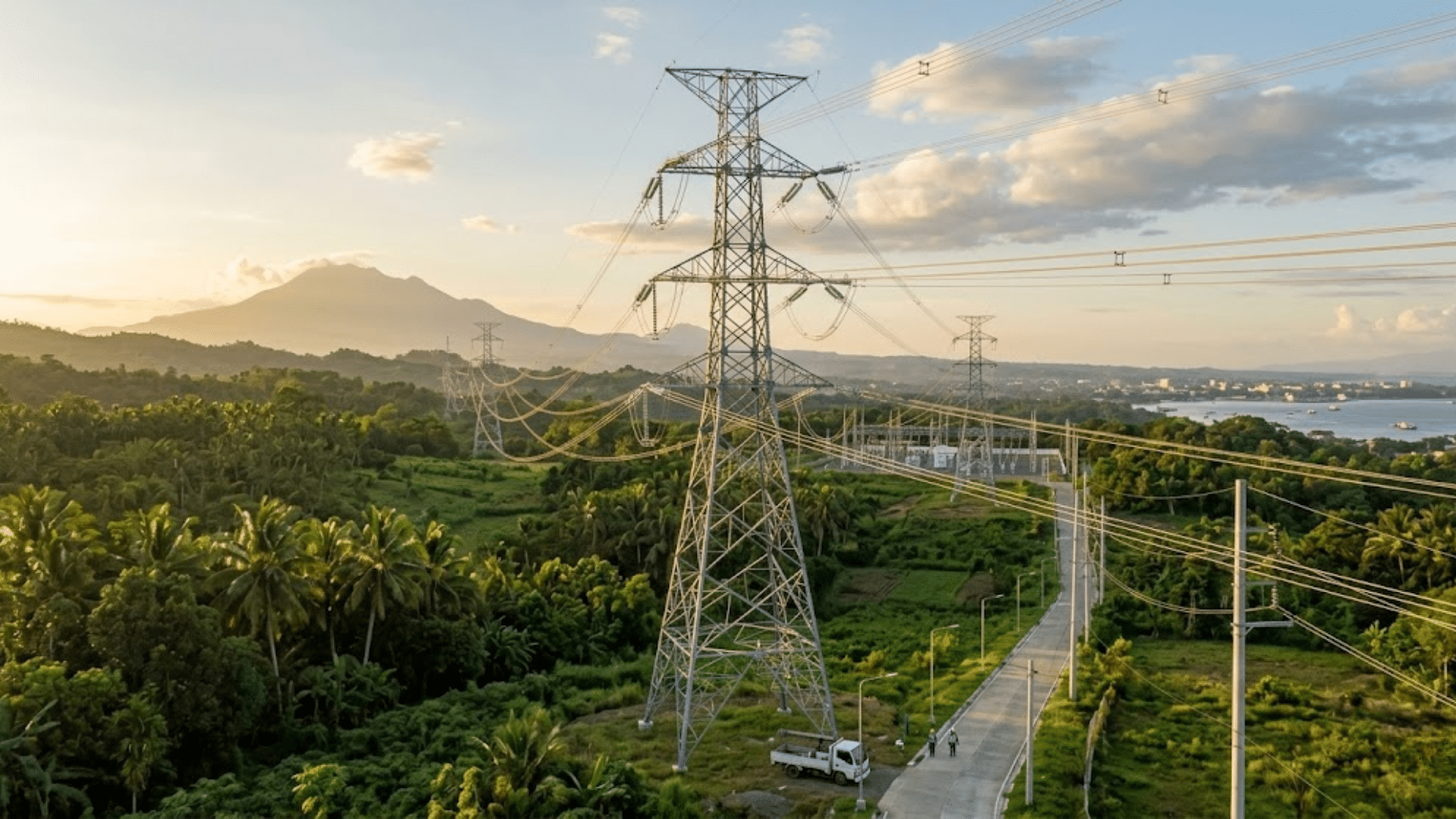
The Michigan Public Service Commission on March 27 approved a rate increase for Consumers Energy to support continued investments in electric grid reliability and reduce outage frequency and duration. The decision authorizes a $276.6 million increase in base rates, including $21.7 million in deferred operations and maintenance expenses and $14.6 million tied to cloud computing upgrades. New rates will take effect May 1, 2026, with a typical residential customer using 500 kilowatt-hours per month expected to see a $6.46 increase, or 6.1 percent.
The commission also extended the utility’s investment recovery mechanism for an additional year, allowing continued recovery of spending on distribution system upgrades. Approved funding includes $226 million for programs focused on low-voltage distribution improvements, system protection, and resilience measures designed to reduce service interruptions. The mechanism requires the company to demonstrate prudent use of funds, with any unspent amounts subject to potential refunds.
Targeted efforts to address persistent outage areas also received approval, with a program designed to identify and fix locations experiencing repeated service disruptions. Vegetation management remains a key component, with $186 million allocated to expand tree trimming efforts. The utility is expected to move toward a five-year clearing cycle by 2030, with further analysis required on the costs and benefits of accelerating that timeline.
The regulator maintained a return on equity of 9.9 percent and a balanced capital structure, rejecting the utility’s request for higher returns. Nearly 40 percent of the proposed spending was excluded, reflecting a focus on cost discipline.
The decision builds on broader efforts to improve service quality following a comprehensive audit of the state’s major utilities. Recent performance data shows progress, including fewer outage minutes and faster restoration times. Michigan has also recorded a notable decline in average outage duration over recent years.
Electricity costs in Michigan have remained below inflation and lower than national and neighboring state averages, reinforcing the state’s approach of pairing infrastructure investment with affordability safeguards.
EnerKnol Pulses like this one are powered by the EnerKnol Platform—the first comprehensive database for real-time energy policy tracking. Sign up for a free trial below for access to key regulatory data and deep industry insights across the energy spectrum.
ACCESS FREE TRIAL