

Minnesota Commission Approves Transmission Upgrades to Reduce Grid Congestion
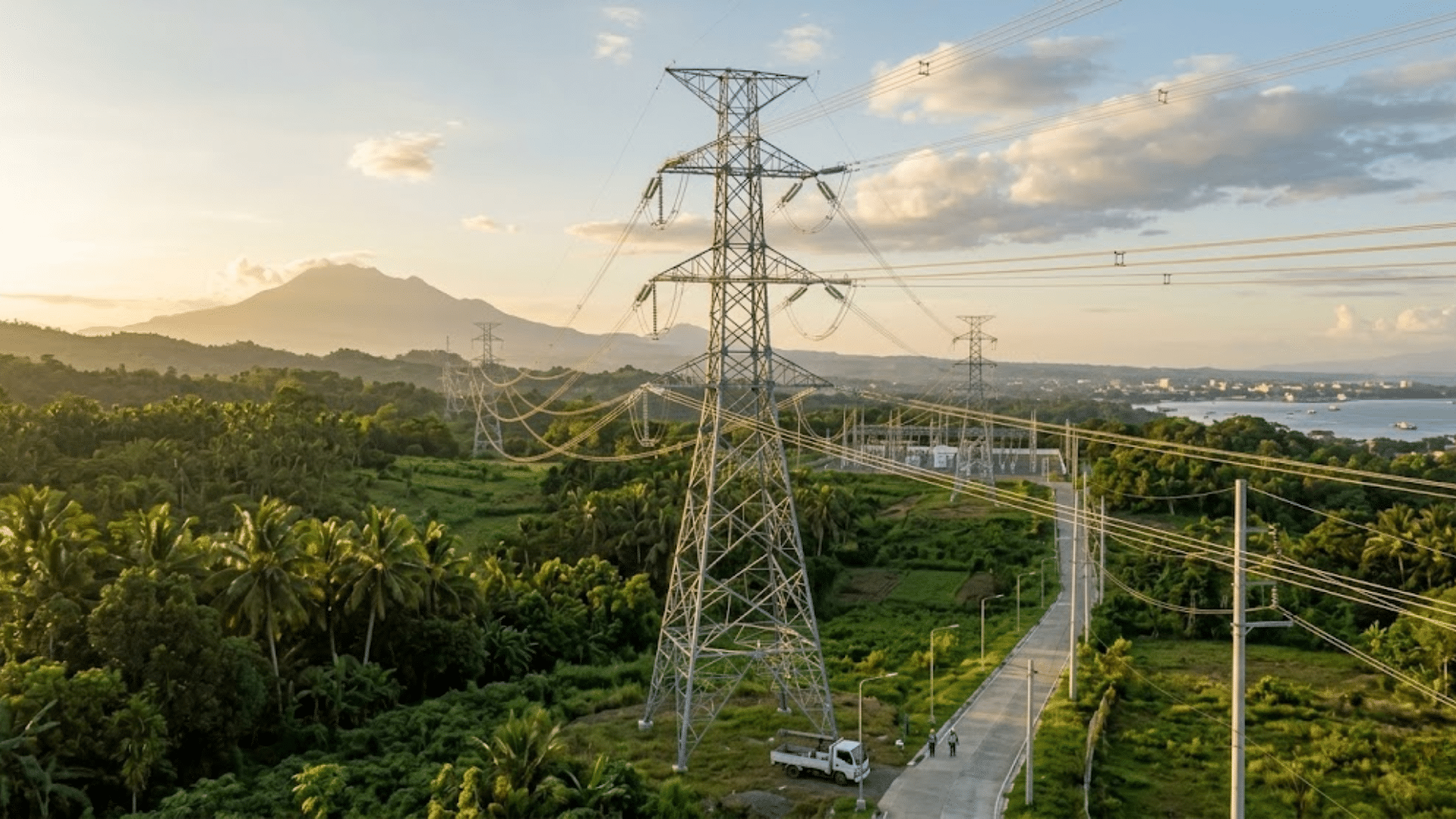
The Minnesota Public Utilities Commission on May 29 approved a portfolio of transmission upgrades designed to ease grid congestion, lower electricity costs, and improve the delivery of renewable energy across the state. The decision follows the commission’s review of the 2025 Grid Enhancing Technologies Report, submitted by Minnesota’s major transmission owners under a 2024 state law requiring regular evaluations of advanced transmission solutions.
The report identified 66 locations where transmission constraints are limiting the movement of electricity and increasing system costs. Transmission owners determined that 12 projects could be deployed quickly using existing infrastructure and are expected to recover their costs within five years, with most projected to achieve payback in little more than a year. The projects are located throughout Minnesota and rely on technologies that increase the capacity and flexibility of existing transmission lines rather than requiring construction of new transmission corridors.
State energy officials, clean energy organizations, rural energy advocates, and technology groups supported the proposed upgrades and encouraged broader consideration of additional tools that can improve grid performance and manage congestion more efficiently.
The commission’s action reflects growing concern over the cost of transmission bottlenecks across the Midcontinent region. When transmission lines reach their operating limits, grid operators often must rely on more expensive power supplies, increasing costs for consumers. According to information reviewed by the commission, real-time congestion charges across the regional grid exceeded $928 million between December 2025 and February 2026.
Transmission constraints also affect renewable energy development by limiting the amount of wind and solar generation that can be delivered to customers. Curtailments can reduce the economic benefits associated with renewable projects and slow progress toward state clean energy objectives.
Under the order, Minnesota transmission owners must proceed with the approved projects, continue evaluating cost-effective opportunities to reduce congestion, and submit updated Grid Enhancing Technologies reports every two years through the state’s biennial transmission planning process.
EnerKnol Pulses like this one are powered by the EnerKnol Platform—the first comprehensive database for real-time energy policy tracking. Sign up for a free trial below for access to key regulatory data and deep industry insights across the energy spectrum.
ACCESS FREE TRIAL