

New England Grid Operator Forecasts 9 Percent Demand Growth Through 2035 as Electrification Accelerates
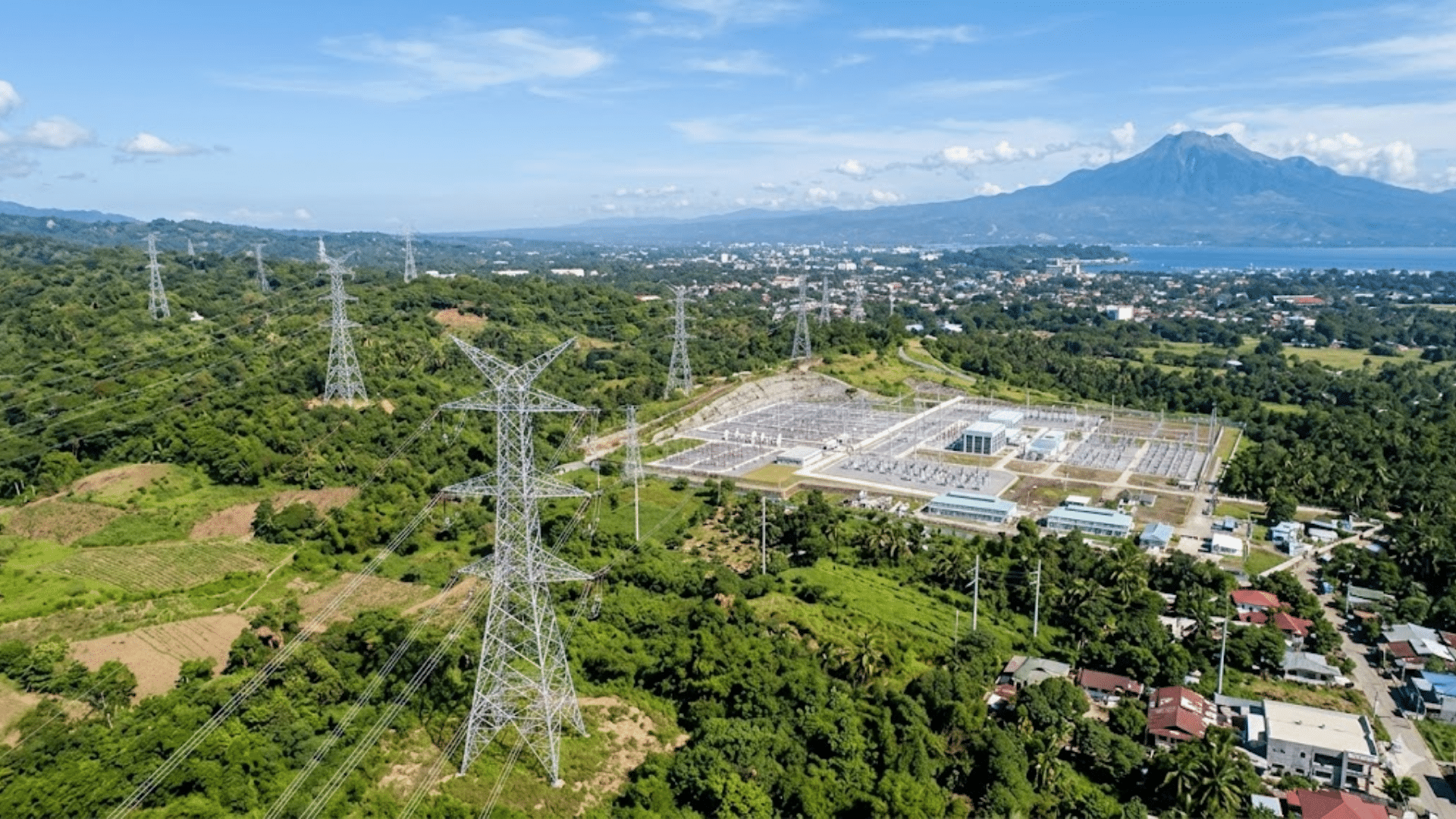
ISO New England on May 1 released its 2026–2035 Forecast Report of Capacity, Energy, Loads, and Transmission, projecting that regional electricity consumption will increase about 9 percent over the next decade, signaling a reversal of long-standing declines and highlighting growing winter reliability pressures.
The grid operator projects net annual electricity use will rise from 116,679 gigawatt-hours (GWh) in 2026 to 127,660 GWh in 2035, reflecting average annual growth of 0.9 percent. The outlook is slightly lower than last year’s forecast, as it incorporates more conservative assumptions for adoption of electric vehicles and heat pumps amid evolving policy signals. The report draws on historical consumption, weather trends, economic expectations, and state decarbonization goals to inform system planning and reliability assessments.
The grid operator indicates that behind-the-meter solar will continue to offset a significant portion of demand, reducing grid consumption by more than 7,000 GWh in 2026 and over 10,000 GWh by 2035. However, electrification is expected to more than offset these reductions. Electric vehicles and heating systems are each projected to add more than 7,000 GWh of demand by 2035, reinforcing the shift toward higher overall electricity use. Widespread adoption of distributed solar is also shifting peak demand toward later hours in the day, limiting its ability to further reduce summer peak levels.
The report also reflects methodological improvements, including an expanded ability to model hourly demand patterns and better capture evolving consumption trends. In addition to traditional drivers, the forecast incorporates emerging large loads such as data centers and industrial operations, though these remain limited in the region. Battery storage paired with distributed solar is expected to have a relatively small net impact on demand over the study period.
A significant shift in seasonal peak demand is expected. While summer peaks have historically defined system needs, winter peak demand is projected to grow more rapidly and nearly match summer levels by 2035. Winter peak demand is expected to increase at a substantially faster pace, driven primarily by electrified heating, pointing to rising challenges for cold-weather grid reliability and resource adequacy planning.
EnerKnol Pulses like this one are powered by the EnerKnol Platform—the first comprehensive database for real-time energy policy tracking. Sign up for a free trial below for access to key regulatory data and deep industry insights across the energy spectrum.
ACCESS FREE TRIAL