

New York Grid Operator Highlights Long-Term Investment Needs to Meet Growing Demand, Clean Energy Goals
New York Independent System Operator on July 23 released its 2025-2044 System & Resource Outlook, concluding that the state will require substantial investment in new electricity generation and transmission infrastructure to maintain reliable service as demand increases and clean energy policies advance. The long-term assessment evaluates multiple scenarios reflecting different assumptions for electricity demand, resource development, technology readiness, and policy implementation. The report follows the grid operator’s June release of its Power Trends 2026 assessment, which highlighted accelerating electricity demand, tightening reliability margins, and growing uncertainty around future load growth.
The grid operator projects that electrification of buildings and transportation, together with the emergence of large new electricity loads, will significantly increase overall power consumption while also changing when and where electricity is needed. Across every scenario examined, New York will require considerable new generating capacity to meet future demand reliably. Scenarios that assume more aggressive clean energy policies require substantially more installed capacity than exists today, underscoring the scale of infrastructure needed to support the state’s energy transition.
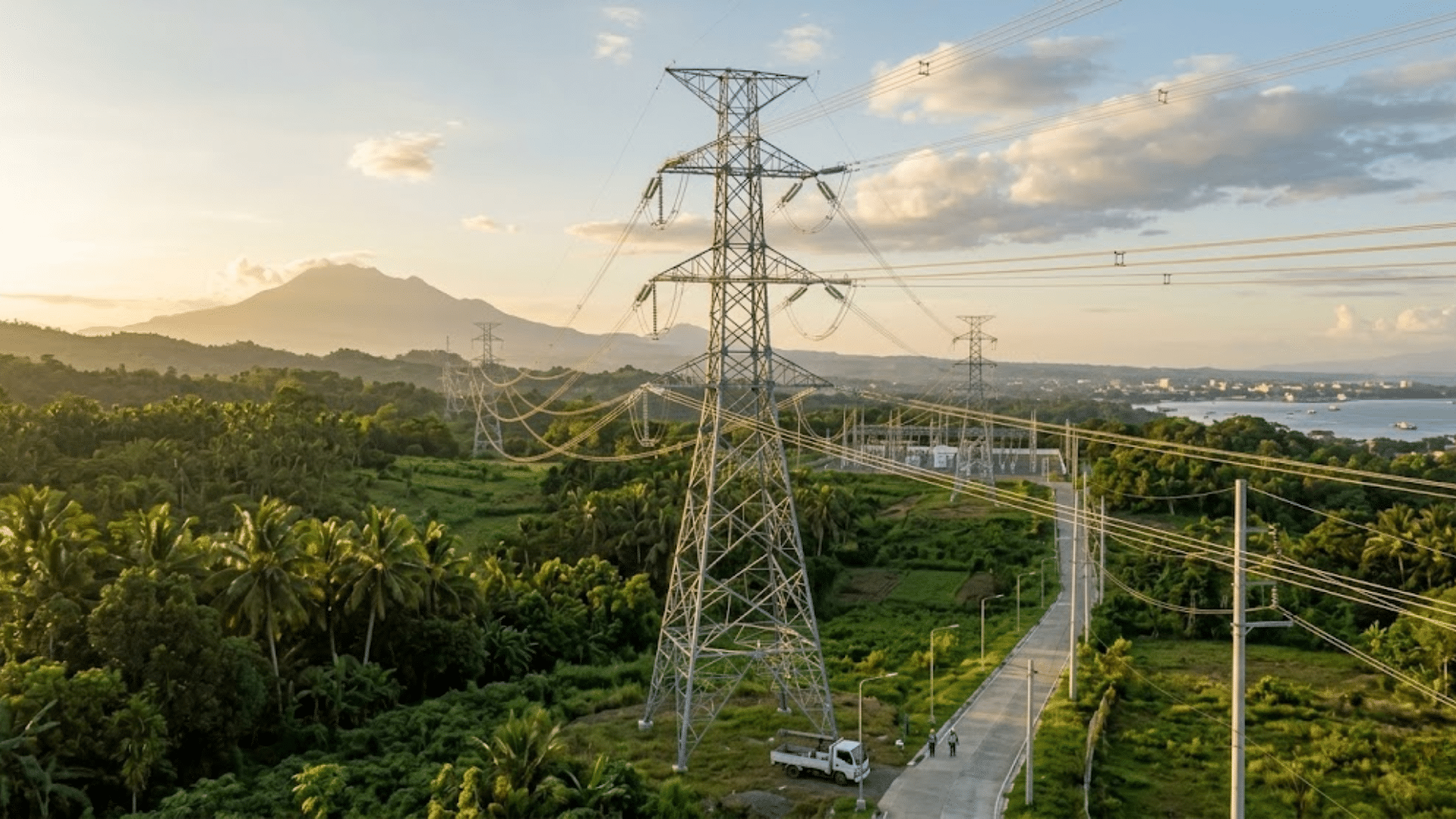
The report also identifies transmission expansion as an increasingly important component of future grid reliability. Additional transfer capability will be needed to reduce congestion, improve system flexibility, and ensure that new generating resources can deliver electricity to consumers efficiently.
The outlook further concludes that achieving the final stages of electricity sector decarbonization presents the greatest infrastructure challenge. Moving from approximately 95 percent emissions-free electricity to a fully emissions-free system would require significantly greater investment in replacement generation and transmission facilities and would depend on technologies that are not yet commercially available at scale. By comparison, scenarios that achieve substantial emissions reductions without reaching complete decarbonization require considerably lower levels of investment.
Based on its findings, NYISO identified four priorities for policymakers and market participants: establish a practical pathway for developing firm, flexible generating resources that can preserve reliability; better coordinate the timing of new generation, facility repowering, and resource retirements; reduce congestion by strengthening transfer capability across the Central East transmission interface; and expand bulk transmission infrastructure in Northern New York to improve the deliverability of zero-emissions generation.
EnerKnol Pulses like this one are powered by the EnerKnol Platform—the first comprehensive database for real-time energy policy tracking. Sign up for a free trial below for access to key regulatory data and deep industry insights across the energy spectrum.
ACCESS FREE TRIAL