

New York Grid Operator Warns of Record-Low Summer Reliability Margin
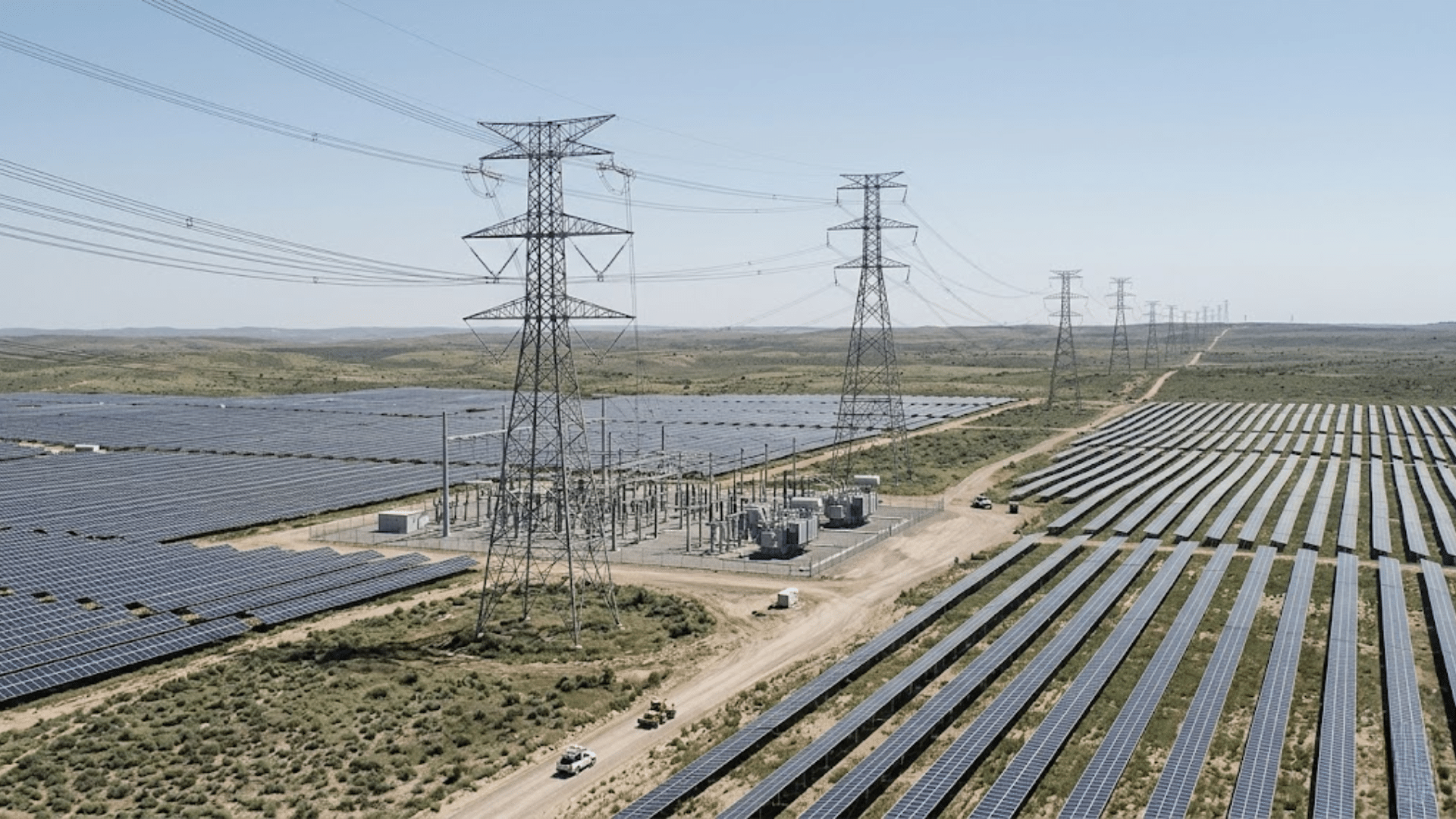
New York Independent System Operator on April 24 released its annual Summer Reliability Assessment, identifying a tightening supply cushion ahead of peak demand season. The grid operator projects a baseline reliability margin of 417 megawatts (MW), marking the lowest level in recent history and signaling growing pressure on the state’s power system.
The assessment indicates that 34,615 MW of available resources are expected to meet forecasted peak demand of 31,578 MW. Reliability rules established by the New York State Reliability Council require 2,620 MW to be maintained as operating reserves under normal conditions, leaving a narrow buffer to manage unexpected disruptions.
Despite new capacity additions over the past year, the grid operator highlights structural challenges, including aging power plants, transmission bottlenecks, and steady demand growth. These factors continue to erode reliability margins and increase exposure during periods of system stress.
The report identifies significant risks under extreme weather scenarios. A prolonged heatwave with average daily temperatures of 95 degrees could result in a capacity shortfall of 1,679 MW. More severe conditions, with temperatures averaging 98 degrees, could deepen the deficit to 3,370 MW. Under such scenarios, operators would deploy emergency measures to secure up to 3,166 MW to maintain grid stability.
The grid operator may also issue public alerts if reserve levels fall below required thresholds, encouraging conservation to reduce strain on the system. The state’s highest recorded peak demand reached 33,956 MW on July 19, 2013.
System reliability oversight is governed by federal and regional authorities, including the Federal Energy Regulatory Commission, the North American Electric Reliability Corporation, and the Northeast Power Coordinating Council.
EnerKnol Pulses like this one are powered by the EnerKnol Platform—the first comprehensive database for real-time energy policy tracking. Sign up for a free trial below for access to key regulatory data and deep industry insights across the energy spectrum.
ACCESS FREE TRIAL