

PJM Proposes New Data Center Grid Reliability Rules After Virginia Grid Disruption
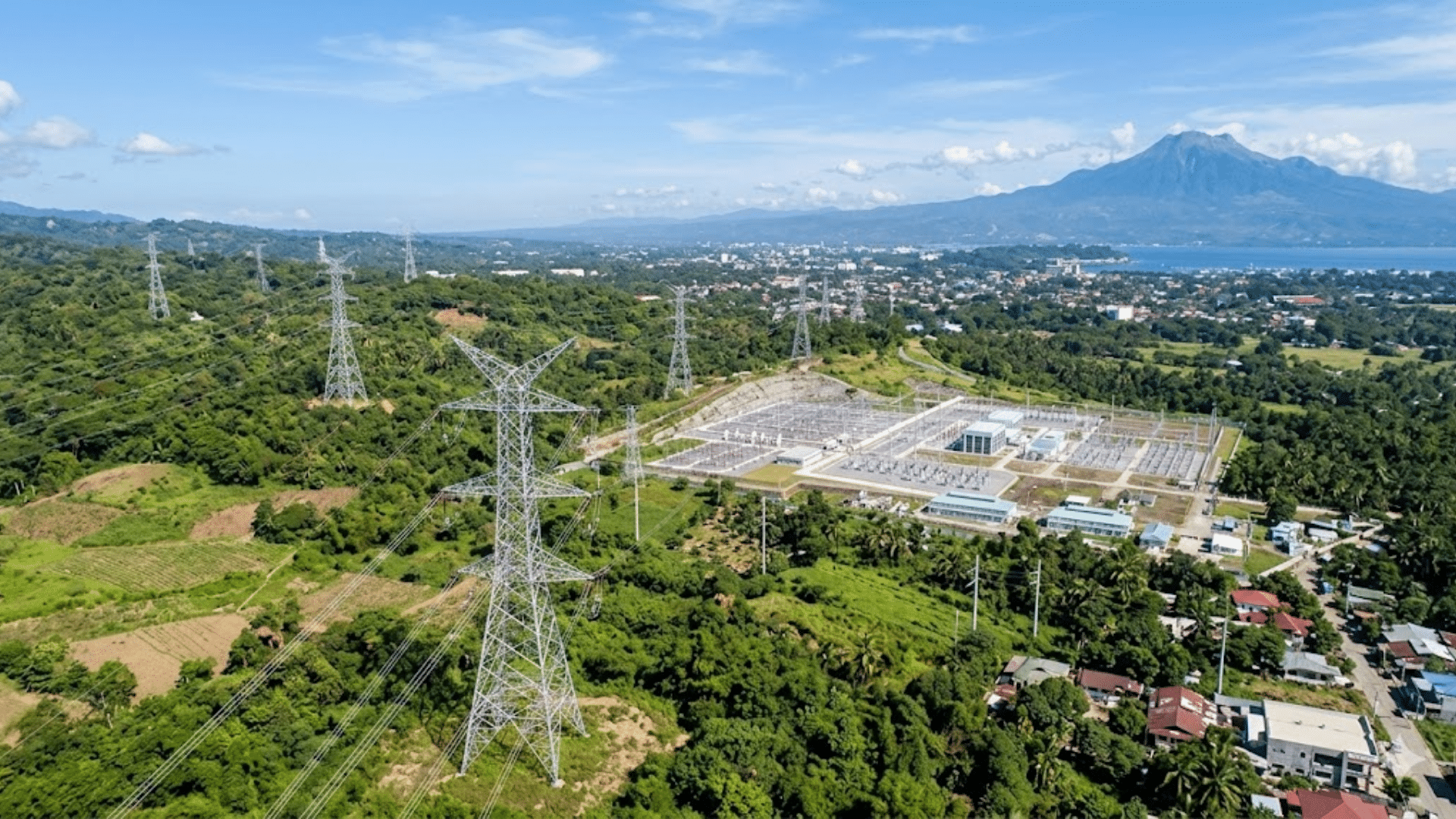
PJM Interconnection on Sep. 10 proposed new reliability requirements for large electricity users, including data centers and cryptocurrency mining facilities, following a major grid disturbance that exposed risks from sudden load disconnections. The proposal would require large computational loads to remain connected during normally cleared transmission system disturbances, helping prevent abrupt power losses that can worsen grid instability.
The proposal follows a July 22 incident in northern Virginia, where nearly 4,000-megawatt of data center demand unexpectedly disconnected from the grid and shifted to on-site backup generators. The sudden loss of demand highlighted concerns that simultaneous disconnections by large facilities can create additional operational challenges for the power system, particularly as data center development accelerates across PJM’s territory.
Under the proposed framework, affected facilities would be required to ride through temporary voltage and frequency fluctuations that occur during transmission disturbances, rather than disconnecting immediately. PJM aims to align customer behavior with broader reliability practices already used for other parts of the electric system, reducing the risk that large loads amplify disturbances that the grid has otherwise successfully cleared.
The initiative also advances PJM’s response to a June 18 order from the FERC, which identified gaps in the grid operator’s tariff for large-load customers. The commission determined that existing rules do not clearly establish requirements for ride-through performance or ramp rates, leaving potential reliability risks insufficiently addressed as electricity demand from data centers continues to grow.
PJM plans to submit its proposed tariff changes to federal regulators in November. Before that filing, the grid operator will hold a Sept. 15 special Planning Committee education session to discuss the proposal in greater detail.
The effort reflects a broader industry shift toward tighter standards for large-load reliability. Other grid operators, including the Midcontinent Independent System Operator and the Electric Reliability Council of Texas, along with utilities such as Dominion Energy and American Electric Power, have advanced similar measures, while the North American Electric Reliability Corporation continues developing large-load reliability guidance and future standards.
EnerKnol Pulses like this one are powered by the EnerKnol Platform—the first comprehensive database for real-time energy policy tracking. Sign up for a free trial below for access to key regulatory data and deep industry insights across the energy spectrum.
ACCESS FREE TRIAL