Power & Utilities

Utilities Adapt Resource Plans to Reap Economics of Renewables, Storage

EnerKnol’s Visual Primer – Utilities Adapt Resource Plans to Reap Economics of Renewables, Storage

Electric utilities are striving to develop Integrated Resource Plans based on an evaluation of the full range of available supply and demand side options in a changing energy landscape that is becoming more complex and uncertain due to emerging trends. These include intermittent large-scale renewable energy, customer-sited distributed energy resources, energy efficiency, demand response, upgrades to aging infrastructure, and legislative clean energy mandates.

Utilities Seek to Weaken Renewable Energy Contracts as DIY Projects Proliferate

EnerKnol’s Visual Primer – Utilities Seek to Weaken Renewable Energy Contracts as DIY Projects Proliferate

The dramatic fall in renewables costs have enticed several utilities to look at large-scale investments and also attracted a large number of independent developers seeking to qualify their projects for must-buy obligations under the Public Utility Regulatory Policies Act of 1978 (PURPA). Utilities have complained about having to overpay qualifying facilities and buy electricity even when they don’t need it. The must-buy requirements are also interfering with the utilities’ own plans of developing renewable plants, intensifying the pushback against PURPA.

How Hurricanes Are Sparking Latest Push For Grid Resilience

EnerKnol Insights – How Hurricanes Are Sparking Latest Push For Grid Resilience

Extreme weather is figuring more prominently than ever into America's energy policy as the nation recovers from a rash of storms and a catastrophic hurricane season that's inflicted hundreds of billions of dollars in damage. In the name of resiliency and reliability, the Trump administration and regulators alike are seeking unprecedented changes to wholesale power markets, as well as urging massive investments in nascent technologies, like microgrids and battery storage, to gear up for the next bomb cyclone, derecho, polar vortex or hurricane season.

This content requires that you purchase additional access. The price is $99.00.

Click here to checkout

Prices Rebound in America's Largest Power Supply Auction as Nukes Fail to Clear

EnerKnol’s Visual Primer – Prices Rebound in America’s Largest Power Supply Auction as Nukes Fail to Clear

PJM Interconnection LLC’s annual capacity auction saw clearing prices ramp up 83 percent from a year ago to $140/megawatt-day, rebounding after a sustained fall for two consecutive auctions. Renewables and demand response did surprisingly well especially because they are deemed seasonal assets with limited ability to meet the new stringent performance standards that require year-round capacity. Despite the high prices, the amount of nuclear generation that cleared the auction fell by over a quarter from last year.

Retail Choice Under Scrutiny Amid Growing Consumer Complaints

EnerKnol’s Visual Primer – Retail Choice Under Scrutiny Amid Growing Consumer Complaints

After years of retail choice, some states have begun to examine whether customers are better off with competitive retailers or on the default service tariff. As retail choice comes under greater scrutiny, regulators will focus on stringent market entry rules and market monitoring that can help avoid deceptive tactics.

Constrained Supply and Increased Demand Push Prices up to $10/MW-day in MISO Auction

EnerKnol’s Visual Primer – Constrained Supply and Increased Demand Push Prices up to $10/MW-day in MISO Auction

Nine out of the ten resource zones cleared at $10/MW-day in the Midcontinent Independent System Operator’s sixth annual Planning Resource Auction, up from last year's clearing price of 1.50/MW-day. MISO said that increased demand and lower supply were largely responsible for the higher prices and expects adequate capacity for the planning year starting June 1.

How Utilities are Navigating the New Distributed Energy Landscape

How Utilities are Navigating the New Distributed Energy Landscape

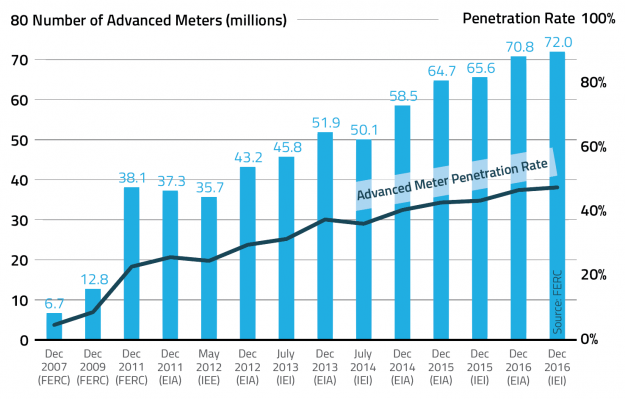
Demand response (DR) is gaining relevance as a vital grid balancing tool amid the rapid surge in intermittent generation resources. The next generation DR will provide more localized responses to areas of stress to influence energy usage patterns. The digitally enabled grid, advanced metering infrastructure, and automated strategies coupled with dynamic pricing will support the DR market.

This content requires that you purchase additional access. The price is $99.00.

Click here to checkout

How Utilities are Navigating the New Distributed Energy Landscape

EnerKnol’s Visual Primer – How Utilities are Navigating the New Distributed Energy Landscape

The penetration of distributed energy resources (DER) has led states and utilities to reconsider their strategies and planning processes. Advanced metering infrastructure and automation allow utilities to capture the full value of DERs and explore new uses of emerging technologies. Because of the rapid influx of DERs utilities must stay proactive to avoid issues on the distribution grid and capture new growth opportunities.

Demand Response Evolves from Shifting Load to Managing Expansion of Renewables

Demand Response Evolves from Shifting Load to Managing Expansion of Renewables

Demand response (DR) is gaining relevance as a vital grid balancing tool amid the rapid surge in intermittent generation resources. The next generation DR will provide more localized responses to areas of stress to influence energy usage patterns. The digitally enabled grid, advanced metering infrastructure, and automated strategies coupled with dynamic pricing will support the DR market.

This content requires that you purchase additional access. The price is $99.00.

Click here to checkout

Demand Response Evolves from Shifting Load to Managing Expansion of Renewables

EnerKnol’s Visual Primer – Demand Response Evolves from Shifting Load to Managing Expansion of Renewables

Demand response (DR) is gaining relevance as a vital grid balancing tool amid the rapid surge in intermittent generation resources. The next generation DR will provide more localized responses to areas of stress to influence energy usage patterns. The digitally enabled grid, advanced metering infrastructure, and automated strategies coupled with dynamic pricing will support the DR market.

Arizona Proposes 3 GW Energy Storage Goal, Most Ambitious Nationwide

Arizona Proposes 3 GW Energy Storage Goal, Most Ambitious Nationwide

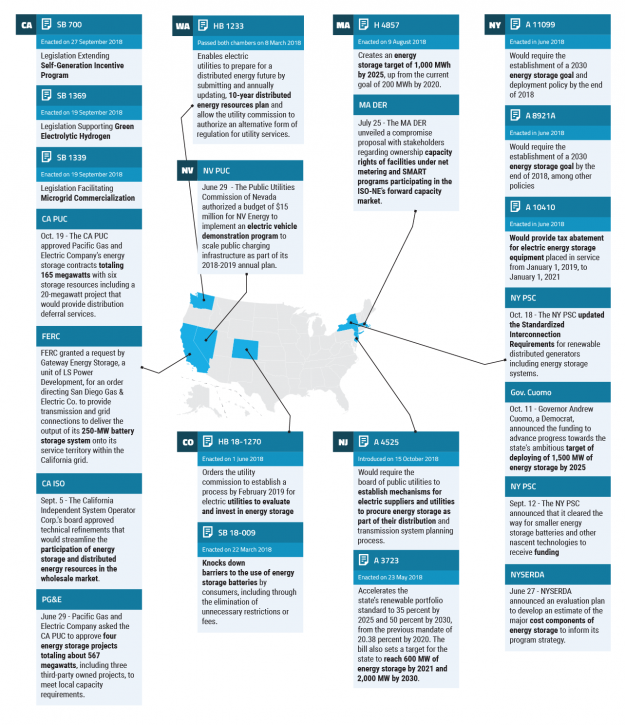
Arizona's Energy Modernization Plan would set a goal 3,000 MW of energy storage by 2030, the most ambitious in the nation. The plan seeks to address peak demand challenges and provide system backup and stability through large-scale storage. Declining costs combined with a growing recognition of the multiple benefits of storage have led more states to consider storage in their energy planning and regulation. Moving forward, the future of storage will depend on creating rates and markets that capture the full value of storage and improving grid connection practices.

This content requires that you purchase additional access. The price is $99.00.

Click here to checkout