Across the U.S. nuclear power sector, federal policy is driving investment, deployment, and innovation alongside significant regulatory reform and congressional action.
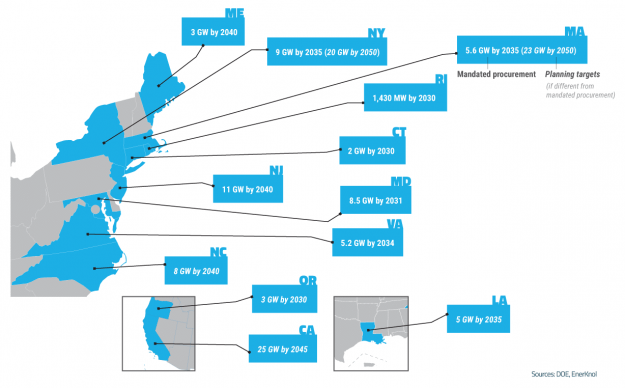
Federal policy is constraining the future offshore wind development pipeline, particularly through lease-termination agreements that redirect billions toward conventional energy projects. States are challenging federal actions while adapting policies, infrastructure planning, and investment strategies to sustain development.
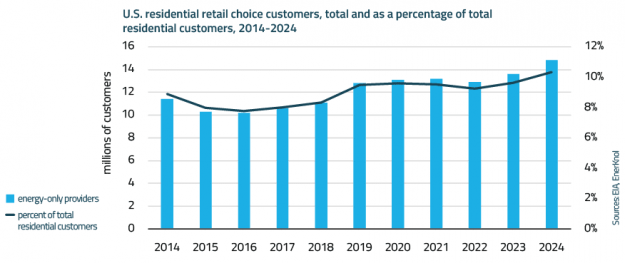
Recent actions across U.S. states reflect varied approaches to regulating competitive retail energy markets, with policymakers addressing supplier accountability, consumer impacts, transparency, and the role of local governments.
More than half of U.S. states have introduced or advanced legislation so far this year to allow the installation and use of plug-in or portable solar generation devices for residential electricity consumers. Several states are removing traditional barriers, allowing qualifying systems to connect through standard electrical outlets subject to specified safety and installation requirements, without prior utility approval, interconnection agreements, or related fees.
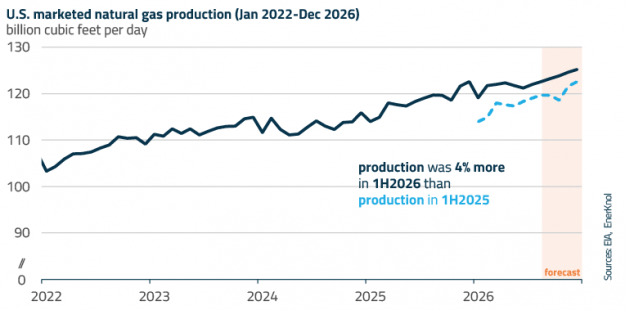
The Trump administration continues to pursue policies to expand fossil fuel development as part of its broader push for energy dominance. Recent actions include measures to improve access to federal resources, strengthen infrastructure and export capacity, and reduce regulatory barriers, reflecting a multifaceted approach to expanding U.S. oil, natural gas, and coal production.
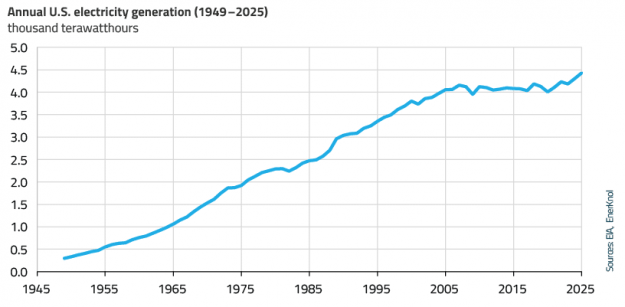
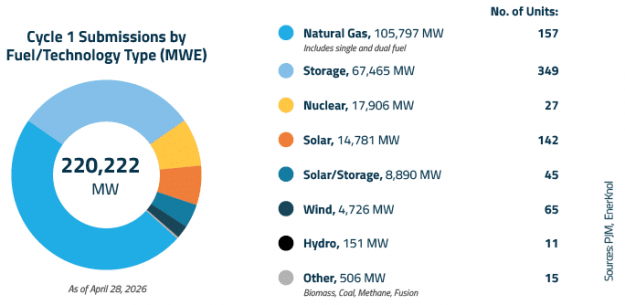
Rapid growth in both new generation and large electricity loads is prompting regulators, utilities, and grid operators to rethink interconnection rules. The focus is shifting beyond queue management toward faster project approvals, better use of available grid capacity, and more efficient use of existing infrastructure.
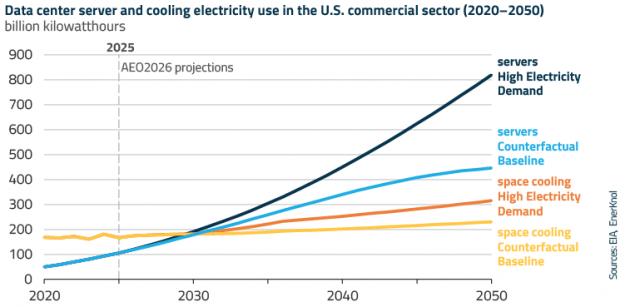
Data centers are facing increasing regulatory scrutiny driven by concerns over electricity demand, grid reliability, consumer costs, water use, and environmental impacts. The growing wave of moratoriums, permitting pauses, and other restrictions across federal, state, and local governments signals a broader shift toward more cautious oversight of future expansion.
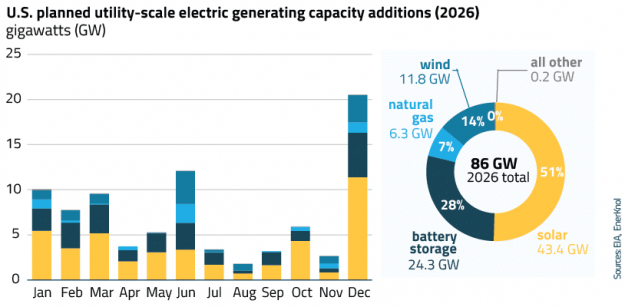
States across the U.S. are advancing utility-scale and distributed storage through new procurements and policies to strengthen grid reliability, support renewable energy integration, and meet growing electricity demand.
PJM Interconnection LLC’s capacity market auction for the 2028/2029 delivery year left the grid operator about 6,800 megawatts (MW) short of its reliability requirement, marking the second straight auction with a capacity shortfall. The results reflect continued growth in electricity demand, driven in part by expanding data center development as new generation additions continue to lag demand growth.
Virtual power plants (VPPs) are evolving from demonstration projects into grid resources as states increasingly recognize the ability of aggregated distributed energy resources (DERs) to support a more flexible and resilient electric grid. Recent legislative measures, regulatory actions, and utility initiatives reflect the role of VPPs in resource planning and grid operations amid growing electricity demand.
States are expanding access to distributed solar by modernizing community solar programs, streamlining interconnection and permitting, and enabling portable solar installations.
Federal reforms and state actions are reshaping the regulatory and investment landscape for nuclear power, enabling expanded deployment of advanced reactors and next-generation nuclear technologies across the country.