Across the U.S., the massive transformation of the power sector towards renewables and zero-emissions sources is set to accelerate, aided by supportive federal policies from an administration focused on climate action and ambitious state decarbonization goals. The exponential growth of renewables will continue to drive grid modernization and transmission development, while efforts to fortify the…...
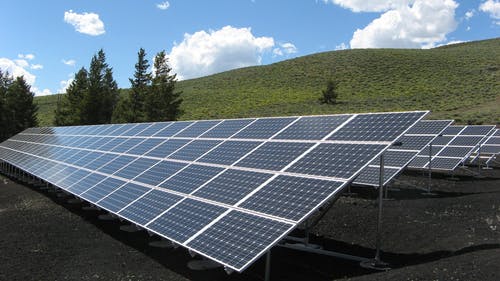
The U.S. Interior Department on Dec.21 announced it has approved two solar projects, with a third one nearing completion on public lands in Riverside County, California. The three projects are projected to generate 1,000 megawatts of renewable energy and are the first to be approved under the Desert Renewable Energy Conservation Plan (DRECP) in the…...
The U.S. Energy Department on Dec. 21 formed the “Office of Clean Energy Demonstrations” to deliver on President Biden’s ambitious climate agenda, create jobs and reduce pollution. The Bipartisan Infrastructure Law, enacted last month, offers over $20 billion to form the new office and enhance clean energy projects such as green hydrogen, carbon capture, grid level…...
The U.S. Energy Department on Dec. 16 announced a $100 million funding opportunity to support innovative technologies that can contribute to emissions reductions, increase energy efficiency, and support grid modernization. The agency’s Advanced Research Projects Agency-Energy (ARPA-E) will run the funding program, which is expected to support President Biden’s Building a Better America initiative by…...
The California Public Utilities Commission on Dec. 16 authorized Southern California Edison to enter into a contract with Ameresco Inc. for the construction of 537.5 megawatts of energy storage projects to ensure reliability during summer. The projects, valued at $1.226 billion, are expected to come online by Aug. 1, 2022. Previous commission decisions instructed the…...
The U.S. Department of Energy on Dec. 13 announced $54 million in funding for small businesses to research and develop new technologies that help accelerate the transition to clean energy. The agency-led initiative will provide up to $250,000 and the applicants will qualify for up to $1.6 million follow-on funding, under the Small Business Innovation…...
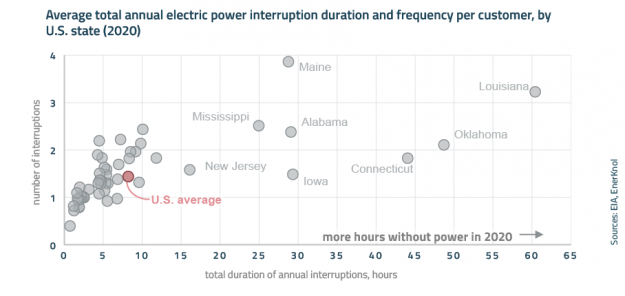
The growing incidence of extreme weather events has triggered regulatory and legislative efforts across the U.S. to improve the reliability and resilience of the energy system. Winter Storm Uri, which caused widespread outages in the South Central U.S. in February, prompted a regulatory upheaval in Texas, which suffered the brunt of the storm, leaving more than 4.5 million people without power. California has adopted measures to ensure reliability in the event of extreme weather in the summers of 2022 and 2023. Federal regulators have approved new cold weather electric reliability standards.
U.S. President Joe Biden signed the Infrastructure Investment and Jobs Act into law on Nov.15, unlocking $62 billion for U.S. Energy Department initiatives, including revitalizing domestic manufacturing, expanding access to energy efficiency and clean energy, modernizing the power grid, and advancing next-generation technologies. Among the major provisions, the legislation allocates $6 billion for a Civilian…...
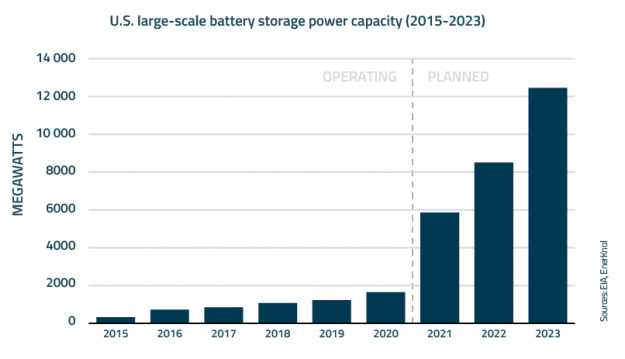
Energy storage is becoming an increasingly important part of the power mix to accommodate the exponential growth of intermittent renewables required to accomplish ambitious decarbonization targets set by U.S. states and utilities.
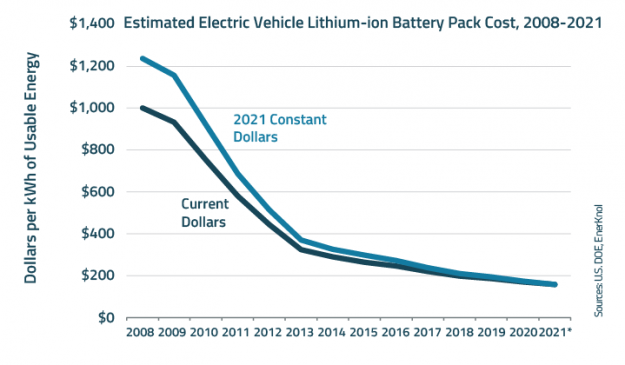
The growing adoption of electric vehicles (EVs) is driving interest in vehicle-grid integration technologies that enable EVs to inject power from their batteries onto the grid, thereby enhancing reliability benefits across the distribution system.
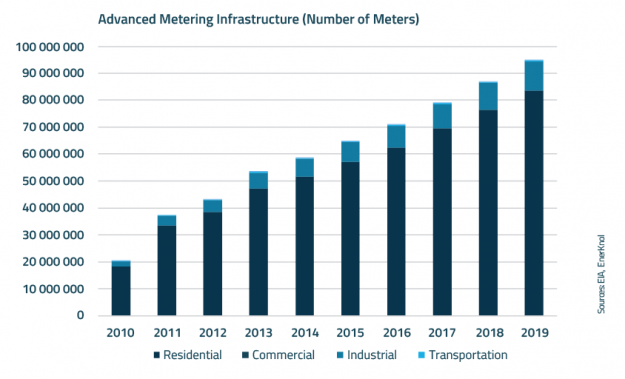
A growing number of states are turning to grid modernization initiatives aimed at creating a more flexible system that can accommodate the proliferation of distributed energy resources (DER) and other solutions that meet changing customer needs and climate goals.
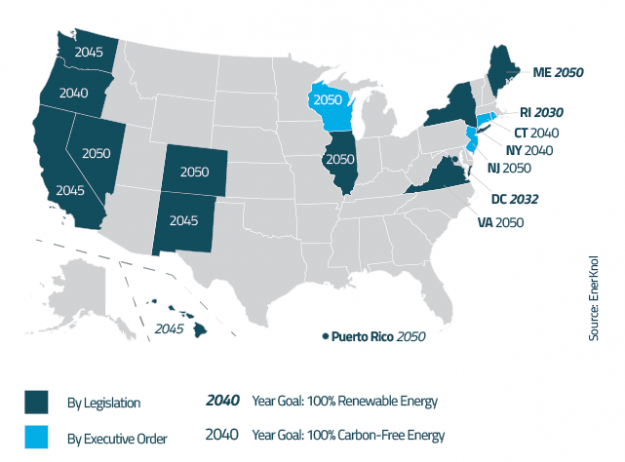
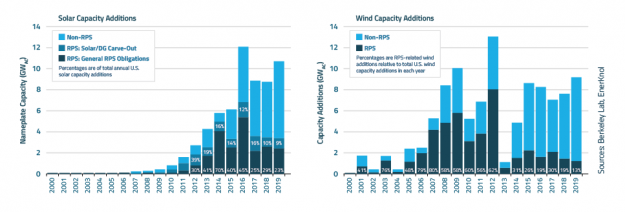
The importance of U.S. state renewable portfolio standards (RPS) continues to grow, with recent changes reflecting the trend of strengthening renewable energy targets. Several states have expanded their RPS programs to broader clean energy standards, which establish milestones to achieve a carbon-free electricity supply.