Offshore Wind Industry Faces Tough Road Ahead Amid Escalating Costs and Delays
The U.S. offshore wind industry is faced with a host of challenges including opposition over impacts to the environment and…Read the full report …...
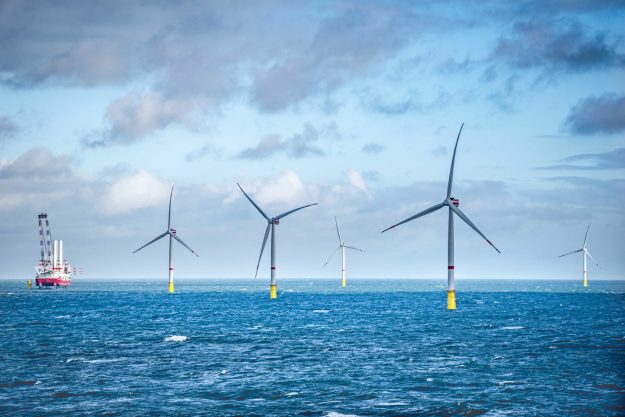
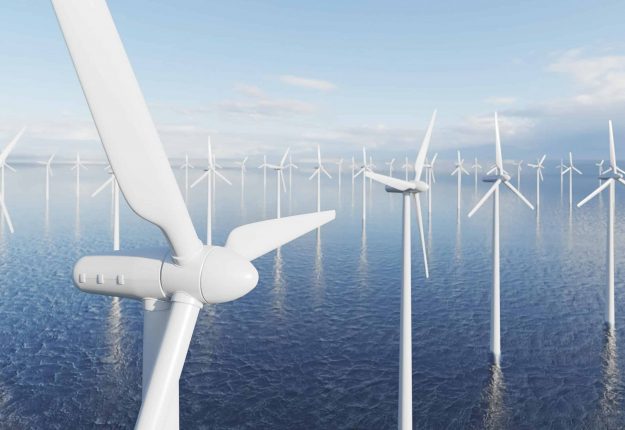
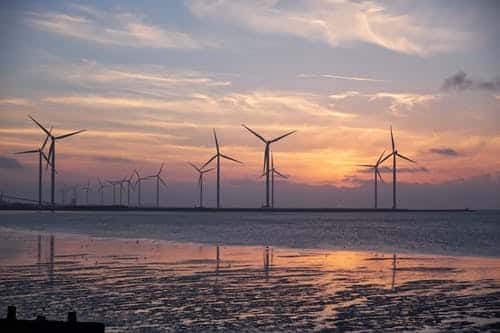
The U.S. offshore wind industry is faced with a host of challenges including opposition over impacts to the environment and coastal economies, escalating costs, and delays despite several projects reaching major milestones.
…...
U.S. carbon markets demonstrated robust participation in recent auctions including Washington’s two consecutive auctions that sold out of carbon permits and raised over $850 million under the state’s cap-and-invest program launched this year. However, carbon-trading programs continue to face opposition in some jurisdictions over concerns of higher ratepayer bills.
…...
The Bureau of Ocean Energy Management on July 31 announced three final Wind Energy Areas with a total area of around 356,550 acres, situated offshore Delaware, Maryland, and Virginia. These areas underwent meticulous development, with extensive engagement and feedback from states, Tribes, local residents, ocean users, federal government partners, and the broader public. Aligned with…...
…...
…...
The U.S. Energy Department on July 26 announced $33 million to fund 14 clean-energy research projects, aiming to rectify the historical imbalance in federal scientific funding across the country. The diverse projects aim to cover crucial areas such as grid integration, renewable energy such as solar and wind energy, and advanced manufacturing. By promoting equitable…...
Power demand in Texas hit record highs in late June and July as homes and businesses increased air conditioning, fans, and other cooling equipment to tackle extreme heat waves. Hourly demand on the Texas power grid peaked at 82,579 megawatthours on July 18 in the 6:00 p.m. hour central time, according to a July 26…...
The deployment of carbon capture, utilization and storage (CCUS) technologies is expected to increase in the U.S., driven by federal and state initiatives to meet emissions reduction targets. Supportive policies, including $12 billion in funding from the…Read the full report …...
The deployment of carbon capture, utilization and storage (CCUS) technologies is expected to increase in the U.S., driven by federal and state initiatives to meet emissions reduction targets. Supportive policies, including $12 billion in funding from the Infrastructure Investment and Jobs Act (IIJA) of 2021 and enhanced tax credits under the Inflation Reduction Act (IRA) of 2022, are driving carbon capture projects across the U.S. Initiatives to expand carbon dioxide (CO2) pipelines to connect to sequestration sites have also gained momentum.