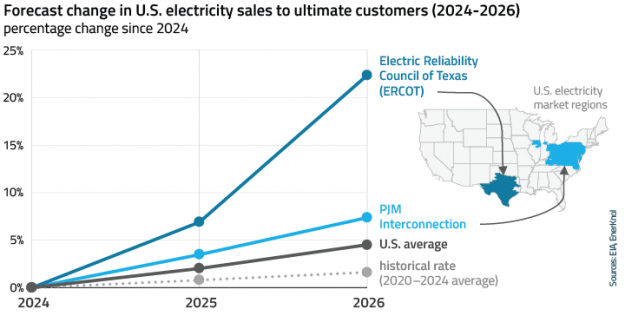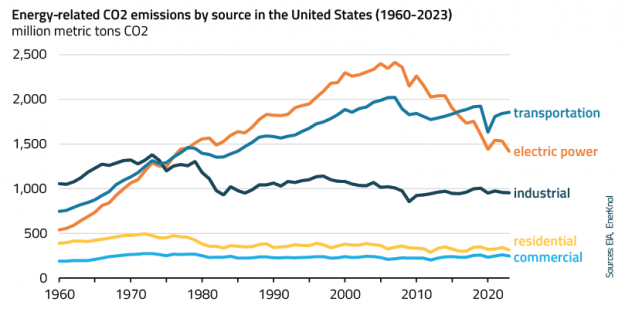
The U.S. is undergoing a broad nuclear energy revival as federal and state actions set the stage for expanding new generation to meet surging electricity demand driven by AI, electrification, and industrial growth. Nuclear power is rapidly gaining prominence as…Read the full report…...
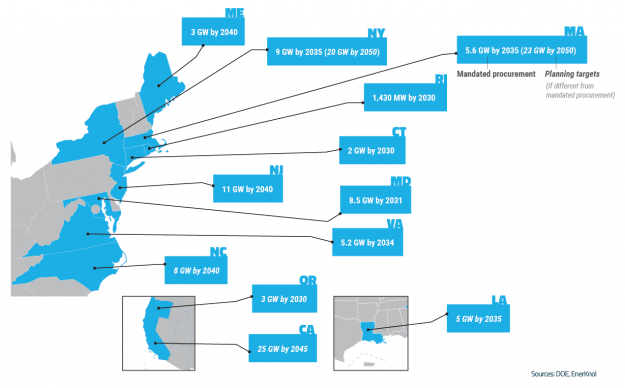
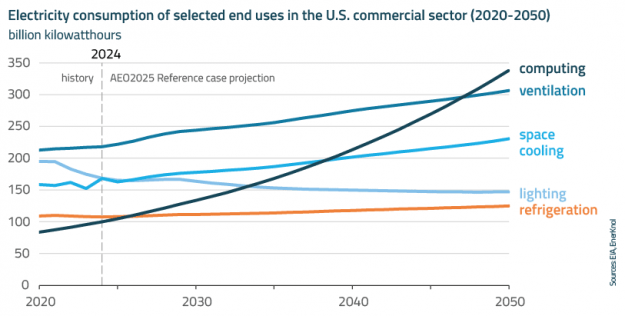
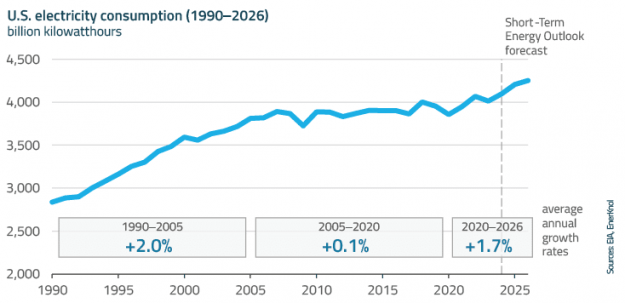
The U.S. is undergoing a broad nuclear energy revival as federal and state actions set the stage for expanding new generation to meet surging electricity demand driven by AI, electrification, and industrial growth. Nuclear power is rapidly gaining prominence as a reliable, dispatchable, zero-emission energy source critical to strengthen grid stability.
As U.S. states sharpen their focus on grid reliability and decarbonization, energy storage efforts are advancing through structured procurement programs, utility-specific targets, and streamlined regulatory processes.
Across the U.S., a growing number of states are exploring market-based strategies to reduce the carbon intensity of transportation fuels. This reflects a broader trend toward the development of clean fuel programs aimed to reduce transportation sector emissions and incentivize the production of low-carbon and renewable alternatives.
The New York State Public Service Commission on May 15 authorized approximately $1 billion per year from 2026 to 2030 to support energy efficiency and building electrification initiatives across the state. These programs will be managed by the large investor-owned electric and gas utilities, along with the New York State Energy Research and Development Authority…...
Recent actions across U.S. states reflect the growth of virtual power plant (VPP) initiatives, as utilities and regulators evaluate aggregated customer-sited assets to manage peak demand, enhance reliability, and reduce system costs. States are moving forward with…Read the full report …...
Recent actions across U.S. states reflect the growth of virtual power plant (VPP) initiatives, as utilities and regulators evaluate aggregated customer-sited assets to manage peak demand, enhance reliability, and reduce system costs. States are moving forward with new pilots, incentive programs, and regulatory structures that support the integration of distributed energy resources (DERs) into grid operations and long-term planning.
Utility regulators across the U.S. are reviewing rate structures, interconnection processes, and grid planning to manage the growing electricity demand from large load customers, particularly data centers. While these facilities can…Read the full report…...