New York Grid Operator Unveils Plan for Energy Storage Participation in Wholesale Markets

EnerKnol’s Visual Primer – New York Grid Operator Unveils Plan for Energy Storage Participation in Wholesale Markets

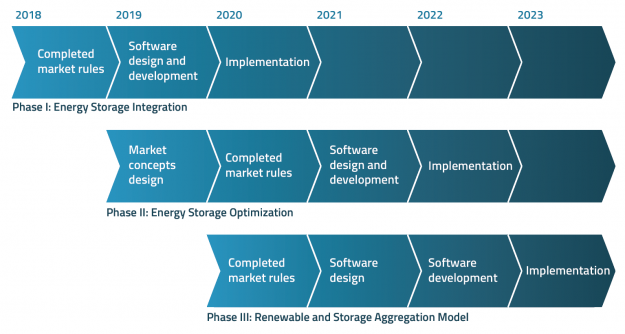
The New York Independent System Operator has unveiled a proposal for full participation of energy storage in the state's wholesale electricity markets by 2023. The grid operator envisions storage as a vital tool for managing the growing penetration of intermittent and distributed energy resources (DERs). Recently, several other states have turned to storage as a way of solving the intermittency of DERs, delivering more dynamic energy services, and addressing peak demand challenges.
Texas Grid Operator Looks to Bolster Energy Prices Amid Renewables Influx

Texas Grid Operator Looks to Bolster Energy Prices Amid Renewables Influx

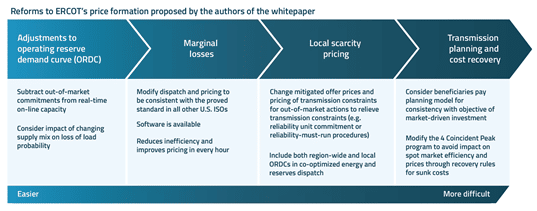
The Public Utility Commission of Texas is examining reforms to price formation in the Electric Reliability Council of Texas (ERCOT) energy-only market over concerns of low prices. The proceeding stems from a whitepaper on shortcomings caused by subsidized renewables and other factors expected to interfere with investment decisions and undermine market sustainability. The ERCOT proceeding highlights the ongoing national discussion over the role of organized electricity markets in ensuring fuel diversity and system reliability through pricing mechanisms.

Texas Grid Operator Looks to Bolster Energy Prices Amid Renewables Influx

EnerKnol’s Visual Primer – Texas Grid Operator Looks to Bolster Energy Prices Amid Renewables Influx

The Public Utility Commission of Texas is examining reforms to price formation in the Electric Reliability Council of Texas (ERCOT) energy-only market over concerns of low prices. The proceeding stems from a whitepaper on shortcomings caused by subsidized renewables and other factors expected to interfere with investment decisions and undermine market sustainability. ERCOT proceeding highlights the ongoing national discussion over the role of organized electricity markets in ensuring fuel diversity and system reliability through pricing mechanisms.

Solar Set to Grow under Michigan's New Avoided Cost Rules for Consumers Energy

Solar Set to Grow under Michigan’s New Avoided Cost Rules for Consumers Energy

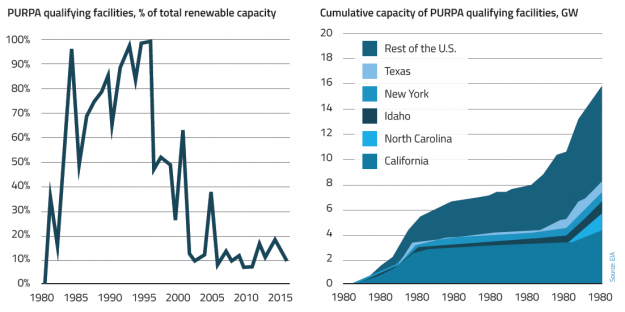
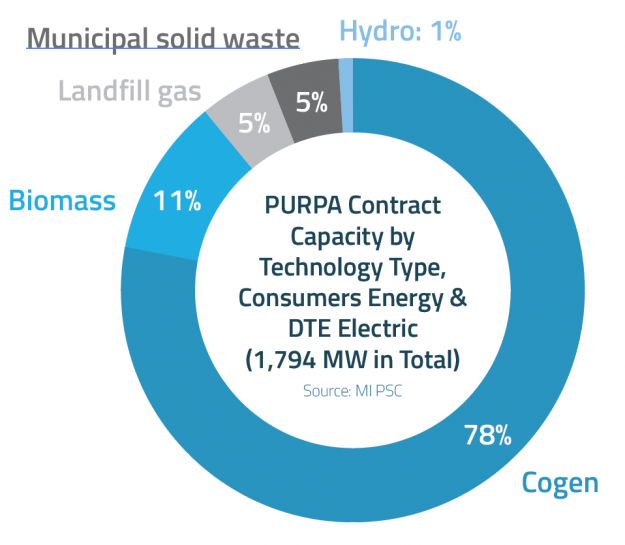
The Michigan Public Service Commission has finalized a formula to determine the avoided cost that Consumers Energy Co. must pay to buy power from qualifying facilities under the federal Public Utilities Regulatory Policies Act (PURPA) of 1978. The new methodology extends the power purchase contract period to up to 20 years, and boosts the capacity of eligible projects to 2 megawatts, up from 100 kilowatts. While current contracts are based on the costs of running a coal plant, new contracts will be based on the energy and capacity costs of natural gas-fueled plants. The ruling, which marks the first update to avoided cost payments in almost 30 years, is expected to increase certainty for distributed energy resources, such as solar.

Solar Set to Grow under Michigan's New Avoided Cost Rules for Consumers Energy

EnerKnol’s Visual Primer – Solar Set to Grow under Michigan’s New Avoided Cost Rules for Consumers Energy

The Michigan Public Service Commission has finalized a formula to determine the avoided cost that Consumers Energy Co. must pay to buy power from qualifying facilities under the federal Public Utilities Regulatory Policies Act (PURPA) of 1978. The new methodology extends the power purchase contract period to up to 20 years, and boosts the capacity of eligible projects to 2 megawatts, up from 100 kilowatts. While current contracts are based on the costs of running a coal plant, new contracts will be based on the energy and capacity costs of natural gas-fueled plants. The ruling, which marks the first update to avoided cost payments in almost 30 years, is expected to increase certainty for distributed energy resources, such as solar.

Virginia Approves Cap-and-Trade Plan and Moves to Join RGGI

Virginia Approves Cap-and-Trade Plan and Moves to Join RGGI

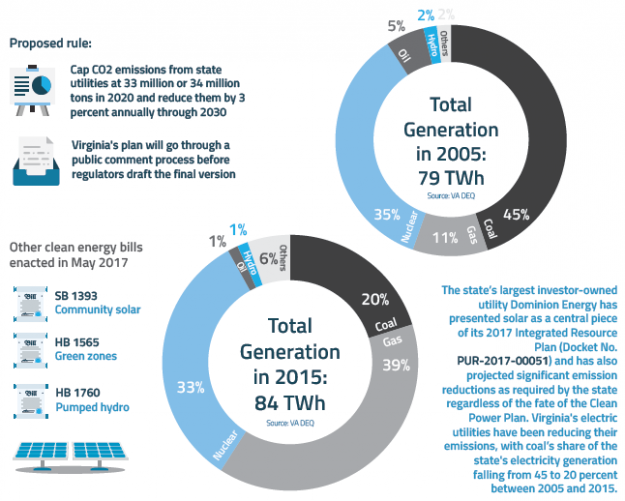
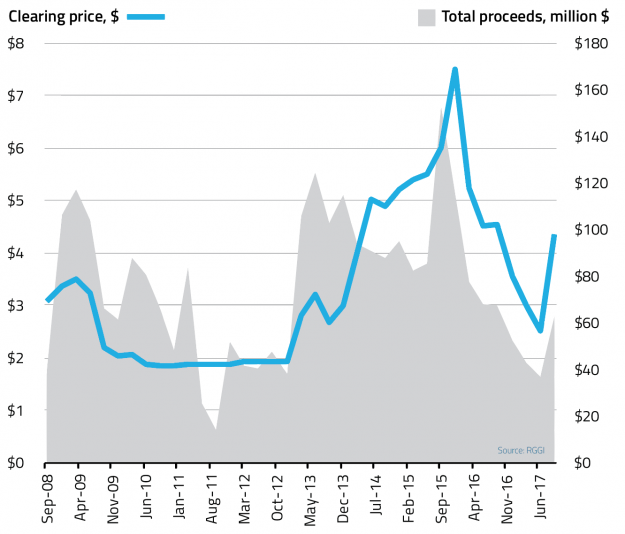
The Virginia Air Pollution Control Board has approved a proposal to reduce power sector carbon dioxide emissions by 30 percent between 2020 and 2030. The proposal would link Virginia with the Regional Greenhouse Gas Initiative (RGGI), the nation’s first mandatory cap-and-trade program. The proposal is consistent with RGGI’s recently announced proposed improvements that caused a rebound in allowance prices in the September auction. With member states in agreement over the program's post-2020 path, RGGI is likely in for a boost that could see both price increases in future auctions and additional states joining the group.

Virginia Approves Cap-and-Trade Plan and Moves to Join RGGI

EnerKnol’s Visual Primer – Virginia Approves Cap-and-Trade Plan and Moves to Join RGGI

The Virginia Air Pollution Control Board has approved a proposal to reduce power sector carbon dioxide emissions by 30 percent between 2020 and 2030. The proposal would link Virginia with the Regional Greenhouse Gas Initiative (RGGI), the nation’s first mandatory cap-and-trade program. The proposal is consistent with RGGI’s recently announced proposed improvements that caused a rebound in allowance prices in the September auction. With member states in agreement over the program's post-2020 path, RGGI is likely in for a boost that could see both price increases in future auctions and additional states joining the group.