Log in


Lost your password?
EnerKnol
  • Home
  • About
  • EK Research
  • News
  • Platform
  • Coverage
  • Case Studies
  • EnerKnol Calendar
  • Press
Log on To EnerKnol Platform Book Demo
  • Home
  • About
  • EK Research
  • News
  • Platform
  • Coverage
  • Case Studies
  • EnerKnol Calendar
  • Press
Login Book Demo
1970s-Era Statute Emerges as Major Diver for Solar Capacity as Project Costs Tumble

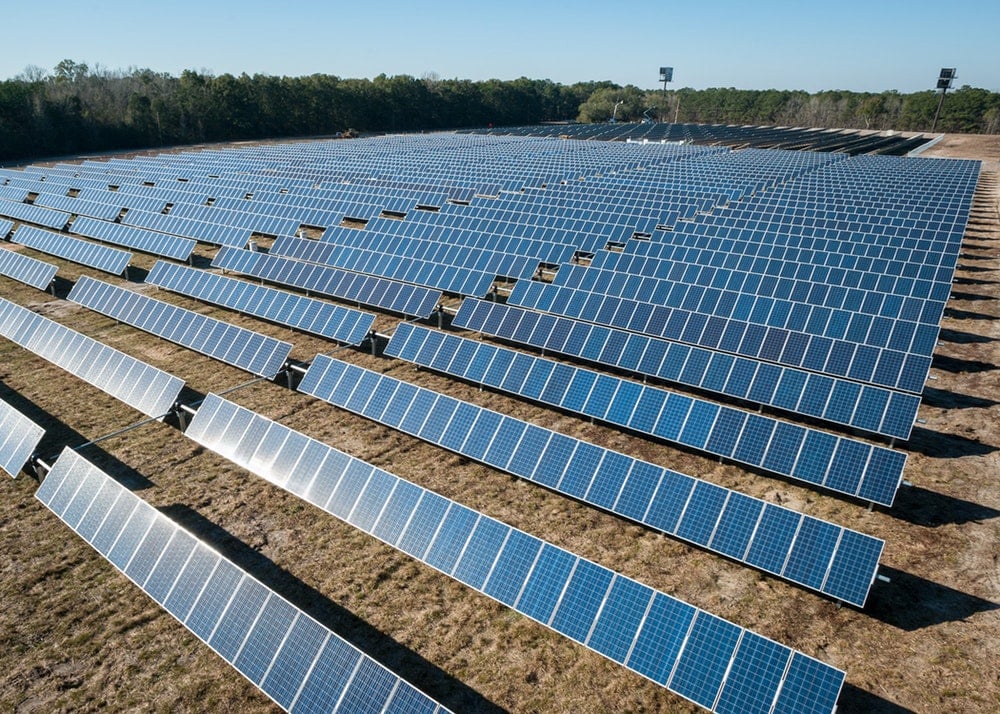
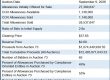
A 40-year-old U.S. statute designed to encourage energy diversity and conservation helped drive 2 gigawatts of solar capacity in 2017, representing just under half of all new utility-scale solar projects added to the grid that year, according to a report from the U.S. Energy Information Administration. Over the last decade the federal mandate, called the Public Utility Regulatory Policies Act, or PURPA, was credited with spurring nearly one-third of solar photovoltaic capacity. The number of solar projects that qualify under the statute for favorable rates, known as qualifying facilities, have jumped as capital costs have dropped below the so-called avoided cost, or the threshold at which utilities must buy output from the generators. North Carolina leads the nation with 2.9 gigawatts of solar capacity added under the program since 2008. Although PURPA is a federal law, it is interpreted differently across states, which have authority to set how much a utility is obligated to pay for the output of qualifying facilities and determine the capacity threshold.
August 16, 2018
Share
TweetShare on Twitter Share on FacebookShare on Facebook Share on LinkedInShare on LinkedIn

Post navigation

PreviousPrevious post:Maine Court Rejects Appeal of Solar Compensation Rule in Blow to Renewable AdvocatesNextNext post:EnerKnol Week Ahead: Congress Explores Blockchain, DOE to Boost Smaller Natural Gas Exports, Virginia’s Renewable Energy Future

Related Research

heat pump systems 3
Michigan Commission Establishes Energy Affordability Goal for Low-Income Households
June 12, 2026
Image201
New York Launches 5-Gigawatt Nuclear Expansion Framework to Strengthen Grid Reliability
June 12, 2026
Week Ahead: Hawaii’s Virtual Power Plant Program, NY’s Weatherization Initiatives, CA Explores Geothermal Energy
June 12, 2026
EnerKnol Research PU Visual Primer PJM Planning and Market Scrutiny 2026 06 15 Blog preview
Growing Scrutiny of PJM Amid Rising Demand, Rates, and Reliability Concerns
June 11, 2026
EnerKnol Research PU Visual Primer PJM Planning and Market Scrutiny 2026 06 15 Blog preview
Visual Primer: Growing Scrutiny of PJM Amid Rising Demand, Rates, and Reliability Concerns
June 11, 2026
8
FERC Approves Temporary PJM Fast-Track Interconnection Process to Accelerate New Generation
June 11, 2026
Image20
U.S. Energy Department Releases Fusion Roadmap to Accelerate Commercial Deployment by Mid-2030s
June 10, 2026
5
New York Grid Faces Reliability Challenges from Data Centers, Electrification, and Resource Retirements: NYISO
June 10, 2026
  • Renewables
    • Biofuels
    • Electric Vehicles
    • Hydropower
    • Nuclear Power
    • Solar Power
    • Wind Power
  • Environmental Markets
    • Carbon Markets
    • Emissions
  • Fossil Fuels
    • Coal Power
    • Natural Gas
    • Oil
  • Power & Utilities
    • Energy Efficiency
    • Energy Storage
    • Retail Power & Gas
    • Smart Grid
    • Wholesale Markets

Subscribe To Our Research Newsletter!


First Name *
Last Name *
Email Address *
Phone *
Company *
Job Title *
Select any sectors you're interested in

Submit Form
EnerKnol

The most comprehensive platform for energy and environmental regulatory intelligence, powered by cutting-edge AI and machine learning technology.

sales@enerknol.com
212-537-4797
175 Greenwich St, FL-38, New York, NY 10007

Product

  • Platform Overview
  • EKAI Assistant
  • Coverage Areas

Resources

  • Case Studies
  • API Documentation

Company

  • About Us
  • Careers
  • New York Energy Week

Legal

  • Terms of Service
© 2026 EnerKnol. All rights reserved.
Book a Demo