U.S. Renewable Generation Capacity to More Than Double in 2050: EIA

U.S. Renewable Generation Capacity to More Than Double in 2050: EIA

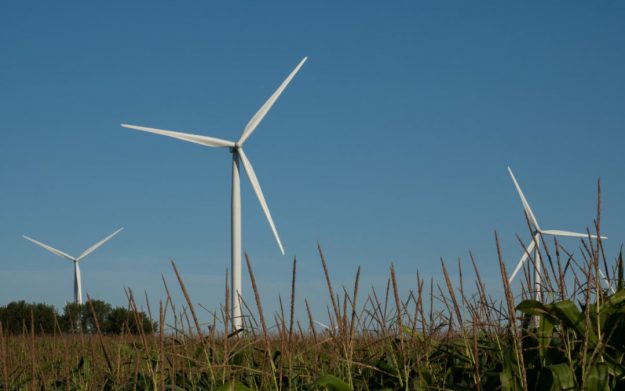
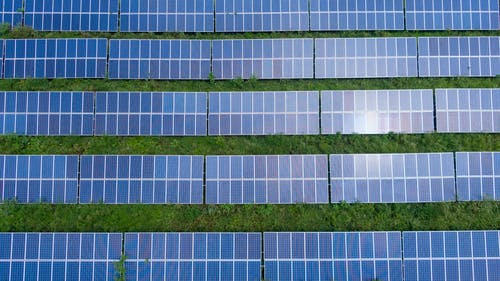
U.S. power generation from renewables will expand from 21 percent in 2021 to 44 percent in 2050, according to a March 18 report from the U.S. Energy Information Administration. The growth in renewable energy can be attributed to a rise in new wind and solar power generation assets. Growth in wind and solar assets is…...

U.S. Oil and Natural Gas Use to Rise Despite Growth of Renewables: EIA

U.S. Oil and Natural Gas Use to Rise Despite Growth of Renewables: EIA

Oil and natural gas will remain the dominant sources of energy in the U.S. through 2050, according to the Energy Information Administration’s 2022 annual energy outlook released on March 3. U.S. petroleum consumption is expected to grow by 0.5 percent per year to 22.3 million barrels per day by 2050 and domestic gas consumption by…...

Advanced Energy Projects

DOE to Invest $150 Million to Reduce Environmental Impacts of Energy Technologies

The U.S. Energy Department on Feb. 22 announced $150 million in funding to advance projects that would enhance efficiency and cut emissions from energy technologies and manufacturing. Researchers will use the grant to conduct projects supporting the agency’s  2021 Energy Earthshots Initiative targets to improve clean energy technologies within the next decade, including hydrogen technology,…...

battery storage

U.S. Energy Department Announces $3 Billion Funding for Advanced Batteries

The U.S. Energy Department on Feb. 11 announced $2.91 billion funding to enhance manufacturing of innovative and advanced batteries, to expedite the growth of net-zero or emission-free future industries. The funding intends to support the entire value chain of battery manufacturing from refining and production to packaging and recycling facilities, and simultaneously create sustainable energy…...

New Jersey Examines Resource Adequacy Alternatives to Advance Clean Energy Goals

Minnesota Commission Approves Xcel’s Plan to End Coal-Powered Generation by 2030

The Minnesota Public Utilities Commission on Feb. 8 approved Xcel Energy Inc.’s 2019 integrated resource plan, which outlines investments between 2020 and 2034. In the approved plan, the utility seeks to acquire or build up to 4,650 megawatts of renewable energy resources by 2032, including solar, wind, and storage. Xcel’s plan is expected to lower…...

renewables

Georgia Power Plans to Phase Out Coal-Fired Generation, Double Renewables by 2035

Georgia Power on Jan. 31 filed its 2022 Integrated Resource Plan with the Georgia Public Service Commission, proposing to close all of its coal assets by 2035. The company intends to retire a total of 12 generation assets producing more than 3,500 megawatts by 2028. To assist this asset transformation, the utility is planning to…...

New York to reach its Energy Storage Targe

Connecticut Launches Energy Storage Program to Support Resilience, Benefit Ratepayers

Connecticut’s Public Utilities Regulatory Authority on Jan. 18 inaugurated Energy Storage Solutions, an electric storage program for all categories of customers of Eversource and United Illuminating to adopt a consistent and robust electric distribution system. The Energy Storage Solutions enables customers to install energy storage set up as backup at their premises. The program will…...

EnerKnol Research PU Visual Primer Electric Vehicles

Visual Primer: Climate Goals Spur New Measures to Accelerate Transition Towards Zero-Emission Vehicles

Federal and state agencies are advancing policy measures and incentives to foster transportation electrification, a key strategy to achieve ambitious emissions reduction mandates. Recent actions range from stronger national fuel efficiency standards to California’s $1.5 billion annual investment in clean vehicle incentives, and clean truck rules in New York and New Jersey.

EIA Utility Scale Generating Capacity Additions

Solar Power to Lead New U.S. Electric Generating Capacity in 2022: EIA

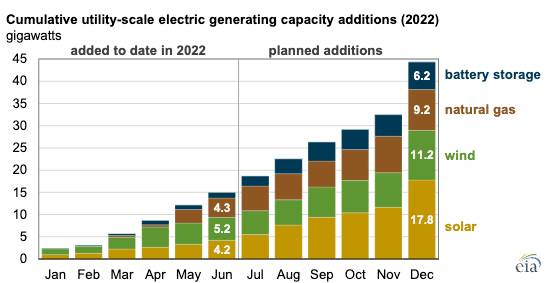
Solar is expected to account for almost 50 percent of planned U.S. electric generating capacity additions in 2022, followed by natural gas-fired and wind encompassing 21 percent and wind 17 percent, respectively, according to a Jan. 10 report from the U.S. Energy Information Administration (EIA). EIA forecasts 46.1 gigawatts of new utility-scale electric generating capacity…