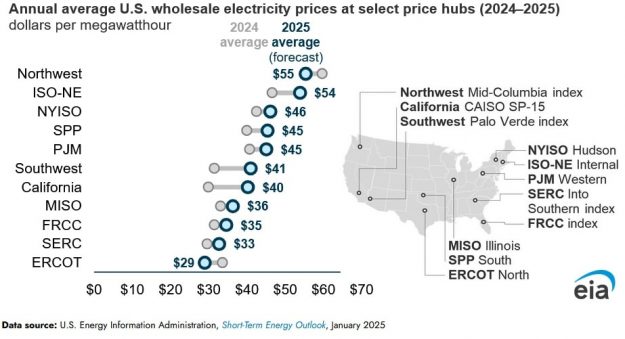
U.S. wholesale power prices are forecast to average marginally higher during 2025 in the majority of the U.S. regions compared to 2024, except in the Northwest and Texas, according to an Jan. 27 report published by the U.S. Energy Information Administration. The agency projects wholesale prices to average $40 per megawatthour (MWh) during 2025, up…...
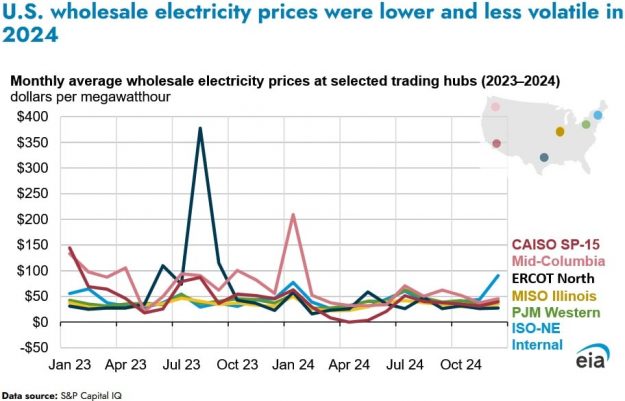
Average U.S. wholesale electricity prices were lower and less volatile during 2024 compared to 2023 due largely to reduced natural gas prices, increased renewable generation, and expanded battery storage capacity according to a Jan. 16 report published by the U.S. Energy Information Administration. U.S. electricity prices were highest during January, in line with below seasonal…...
The U.S. energy landscape faces a fundamental policy shift in 2025 as the incoming Trump administration’s focus on fossil fuels signals a sharp departure from the current clean energy priorities. While federal support is expected to pivot toward.…. Read the full report…...
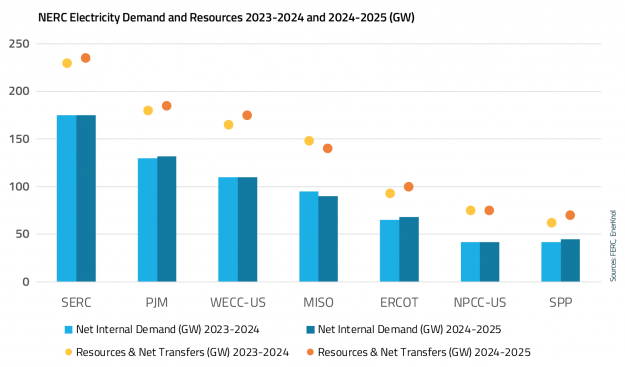
Heading into the winter season, grid operators and utilities across the U.S. continue to strengthen their winter readiness measures to ensure reliable…Read the full report …...
Heading into the winter season, grid operators and utilities across the U.S. continue to strengthen their winter readiness measures to ensure reliable electricity supplies amid rising demand and potential energy shortfalls.
Transmission planning across the U.S. is adapting to meet rising energy demands, necessitating coordinated efforts to strengthen and expand infrastructure. Beyond supporting renewable integration and enhancing resilience, transmission expansion is becoming critical for new electrification demands, increased manufacturing activity, and large data center loads.
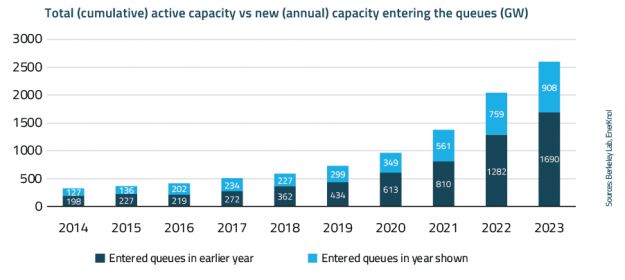
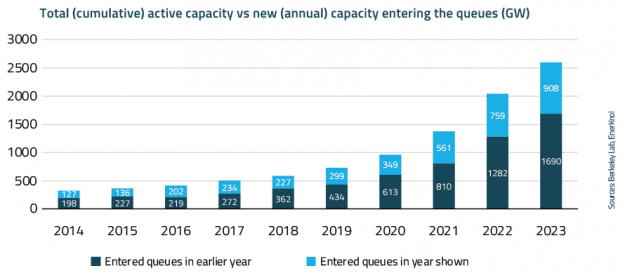
Amid ongoing improvements to interconnection processes across the U.S., current queue backlogs and the rapid increase in new resources seeking to connect to the grid are driving innovative solutions.
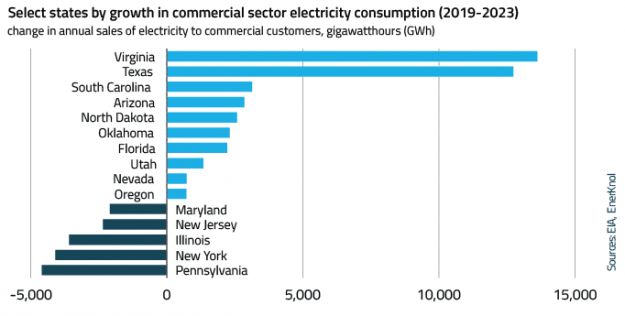
The rapid surge in power demand from data centers has prompted calls for additional capacity to maintain grid reliability. Unlike “electrify everything” initiatives, such as transportation electrification, which are part of broader policy goals and planned through regulatory proceedings, large loads like data centers have emerged unexpectedly.
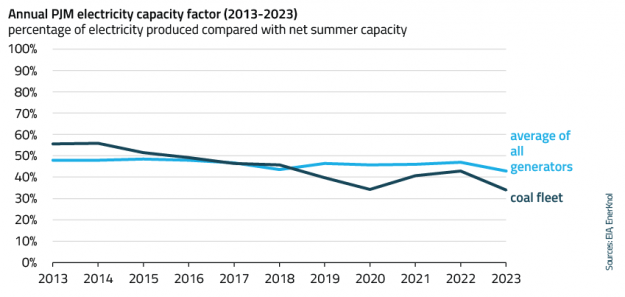
PJM Interconnection LLC’s capacity market auction for the 2025/2026 delivery year cleared at $269.92 per megawatt-day (MW-day), about nine times the clearing price in the last auction. The significantly higher prices resulted from a reduced electricity supply, mainly due to numerous generator retirements, coupled with rising demand and the implementation of market reforms, according to PJM, which operates across 13 states and the District of Columbia.
The enactment of the Infrastructure Investment and Jobs Act (IIJA) in 2021, also known as the Bipartisan Infrastructure Law, and the Inflation Reduction Act (IRA) in 2022, has unleashed billions in federal funding for the
energy sector. These include infrastructure improvements, clean energy deployment, transportation electrification, grid reliability, energy efficiency, and cyber security. Regulators across U.S. states have opened dockets requesting reports on utility actions or initiated proceedings to gather comments on utility opportunities.
The U.S. Senate approval of President Biden's three nominees to serve on the Federal Energy Regulatory Commission (FERC) brings the agency to its full complement of five commissioners. The move comes as FERC is considering key issues including those pertaining to electric reliability and transmission rules, liquefied natural gas export projects, natural gas pipelines, and energy markets.
Regulators and lawmakers across the U.S. are increasingly exploring the possibilities of deploying virtual power plants (VPPs) as a cost-effective means to provide grid services. VPPs have garnered attention as fossil fuel-fired power plants retire and renewable energy resources continue to grow amid increasing electricity demand.