Recent developments around grid modernization strive to enable greater adoption of clean energy resources while ensuring a more resilient and responsive grid.
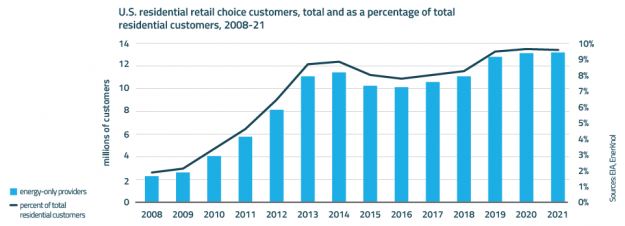
State regulators in the U.S. are tightening regulations governing competitive retail electricity markets, as they closely examine supply offers to determine if they are fairly priced, offer intended benefits of competition, and support clean energy goals.
The U.S. is on the verge of a boom in transmission projects driven by a massive buildout of renewable energy generation and an increase in federal transmission planning initiatives. Several long-distance power lines, such as the Champlain Hudson and SunZia, have reached major permitting milestones after years of planning and review.
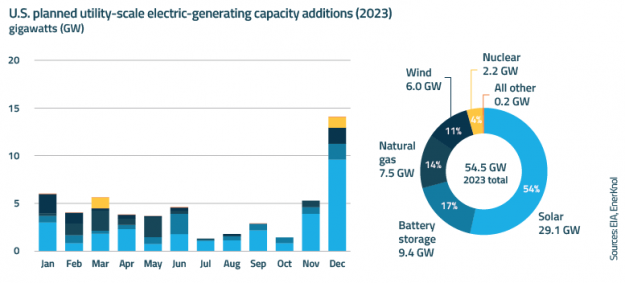
Recent long-term resource plans of several electric utilities include accelerated timelines to develop renewables or retire coal-generation fleet, reflecting the impact of policy changes ensuing from 2022 Inflation Reduction Act (IRA). The IRA includes provisions to support the transition of the U.S. electricity generation fleet to cleaner energy sources and lower carbon emissions.
Federal and state agencies across the U.S. are boosting efforts to support electric vehicles (EVs) through zero-emission vehicle (ZEV) goals and decarbonization mandates. EVs are poised to play a significant role in the transition to a decarbonized economy by reducing dependence on fossil fuels.
Ambitious federal goals and initiatives, coupled with state commitments, are driving the transition to a low-carbon future across the U.S. Investments and tax incentives included in the 2022 Inflation Reduction Act (IRA) have added new momentum to the renewable and clean energy industries including offshore wind, nuclear power, and distributed solar.…. Read the full report…...
Demand response (DR) continues to garner attention as a key reliability tool amid the ongoing transition to renewable energy, increased electrification, and extreme weather. Traditionally intended to shed load and prevent blackouts during peak demand periods, DR is increasingly valued for its ability to address imbalances caused by the variability in wind and solar generation.
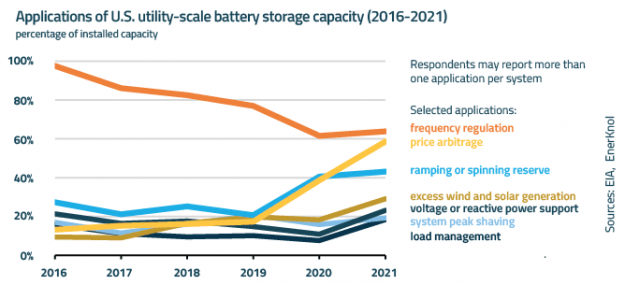
As the transition to a carbon-free grid relies on the integration of diverse renewable energy resources, the need for long-duration energy storage has become more essential. Storage systems capable of supplying energy for 10 hours or more, or adequate stored energy to provide firm capacity to the grid have been garnering attention to accommodate renewables and support grid stability.
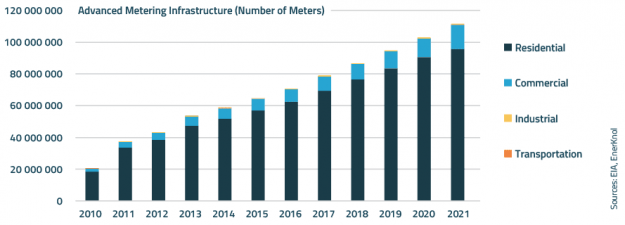
Ambitious clean energy and reliability goals continue to drive grid modernization efforts ranging from proposed rules to encourage utility investments in cybersecurity to a $10.5 billion initiative to enhance grid resilience.
Federal and state initiatives to foster the growth of electric vehicles are on the rise, depicting the critical role that the transportation sector is poised to play in achieving climate goals and building a clean economy.
The New England region relies on imported liquefied natural gas (LNG) in the winter to meet natural gas demand due to an inadequate gas pipeline network. The reliance on imports is increasingly fraught as the region competes in the global market where high and volatile prices pose supply risk and pricing uncertainty.
Across the U.S., transmission development initiatives are advancing at a swift pace to deliver on state policy objectives. Transmission expansion is essential to improve the integration of renewable energy and allow better utilization of intermittent, zero-carbon resources like solar and wind.