The hydrogen market is changing amid federal and state initiatives to harness the technology to support decarbonization. Investing in clean hydrogen is viewed as a key component of efforts to progress towards the Biden administration's target of net-zero emissions by 2050.
A handful of states are revisiting natural gas line extension policies to eliminate subsidies for new gas hookups and support state climate policies that call for lower gas use and electrification of buildings.
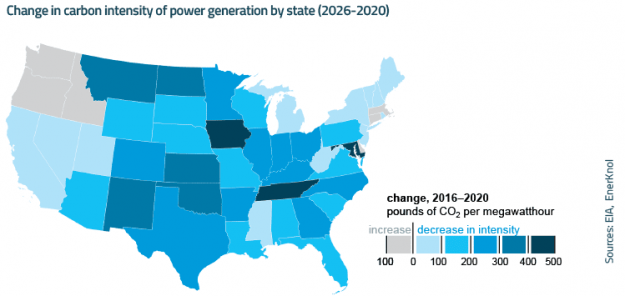
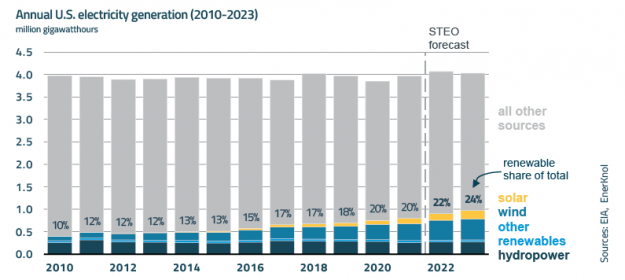
Utility resource plans continue to manifest the changing power generation mix as more states pursue zero-carbon goals. The shift drives the need for innovative policy initiatives that optimize renewable energy sources and enhance grid reliability.
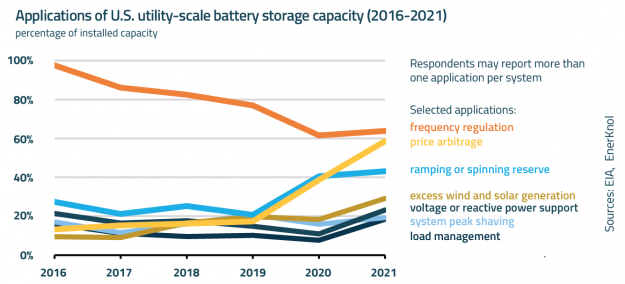
Across the U.S., policy makers, regulators, and utilities are increasingly viewing energy storage as imperative to enable a transition to greater use of renewable energy, electrify buildings and transportation, and enhance grid reliability.
The Inflation Reduction Act of 2022 (IRA), passed by the U.S. Congress on Aug. 12, includes a historic $369 billion investment in energy security and climate change programs over the next ten years.
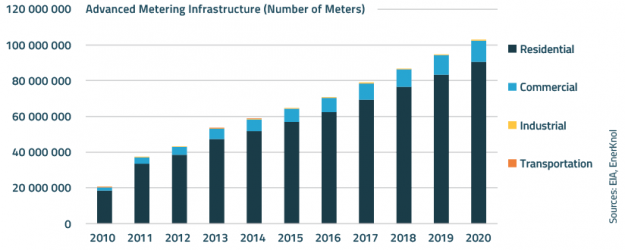
Grid modernization efforts are increasingly focused on resilience and reliability to protect the system against extreme weather and cyberattacks. Lawmakers and regulators are pursuing reforms to ensure that policies keep pace with the rapidly changing resource mix to facilitate the transformation to a future grid capable of integrating the increasing number of intermittent resources and electric vehicles.
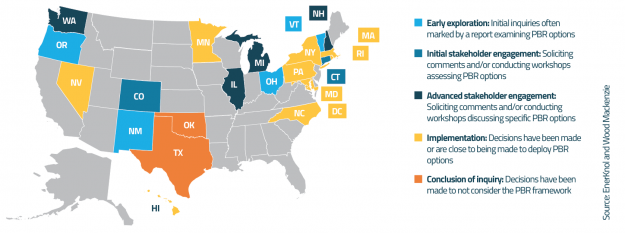
Performance-based regulation (PBR) is gaining momentum across U.S. states driven by policy and technology changes to meet decarbonization goals and changing customer expectations.
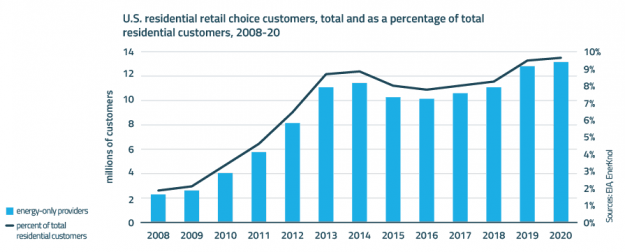
The evolving retail electricity marketplace has prompted reforms to strengthen customer protections and expand options to access clean energy while addressing reliability concerns.
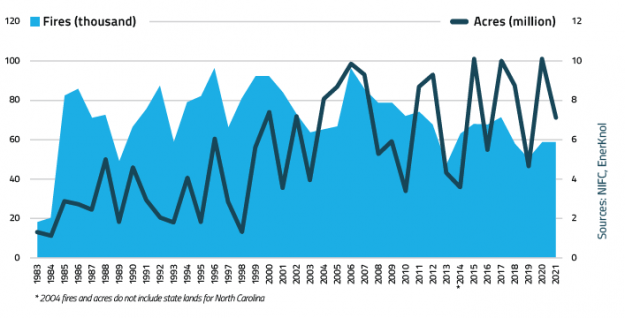
A massive investment in transmission infrastructure is necessary to move renewable energy over long distances from where it is produced to where it is needed. These transmission lines, which are so necessary to combat climate change present an inherent wildfire risk exacerbated by drought conditions in the western United States and Canada.
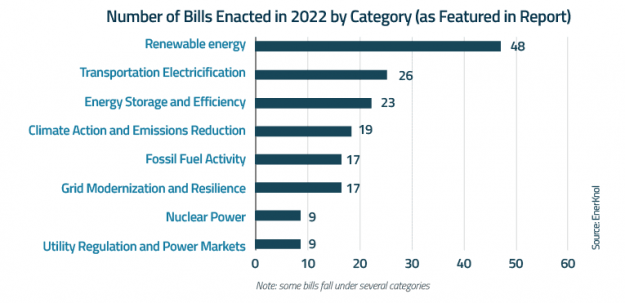
Energy legislation enacted across U.S. states so far in 2022 spans a broad spectrum of topics portraying actions to facilitate the energy transition. These include measures to expand renewables and distributed resources, strengthen climate commitments, optimize grid performance, and sustain the nuclear power fleet. … Read the full report …...
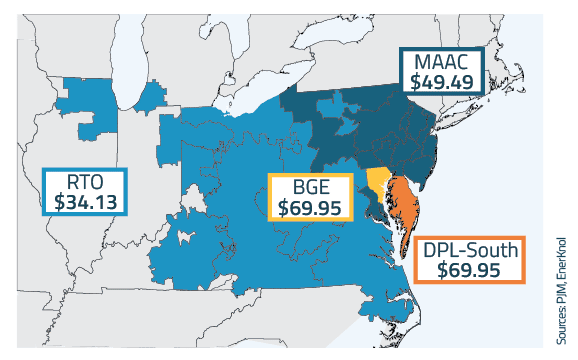
PJM Interconnection LLC’s capacity market auction for the 2023-2024 delivery year cleared at $34.13 per megawatt-day (MW-day), which is nearly 32 percent lower compared to the 2021 auction and the lowest in almost a decade. The auction results reflect a low-carbon resource mix, with a growth of more than 5,000 cleared megawatts of carbon-free resources, according to the grid operator, which operates across 13 states and the District of Columbia.
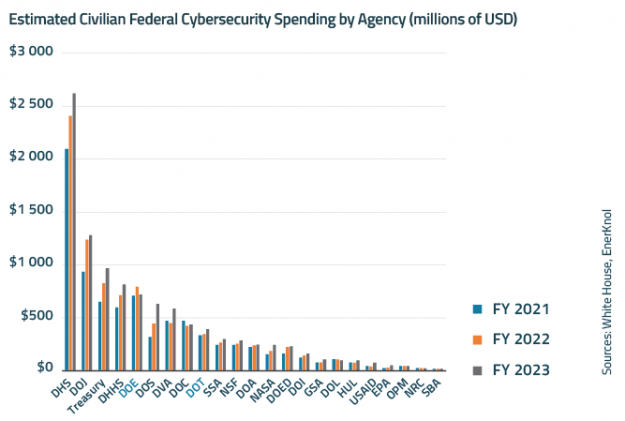
The swift advancement of sophisticated cyber threats alongside the increase in advanced energy system control technologies has called for stronger measures to secure critical infrastructure and energy sector resilience.