Energy storage is evolving to be an essential part of the energy transition given its ability to provide power on demand and optimize grid performance amid the proliferation of intermittent renewable energy resources.
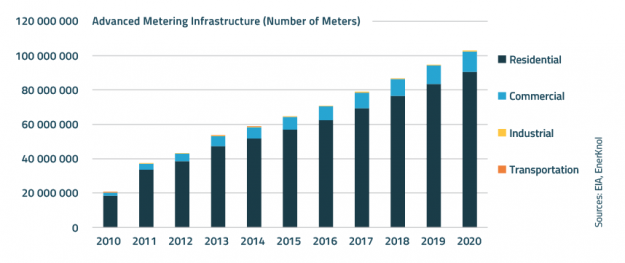
Aging infrastructure, a rapidly changing generation profile, and climate change concerns are driving efforts to facilitate a flexible power grid that can absorb higher levels of distributed resources and withstand damaging weather events.
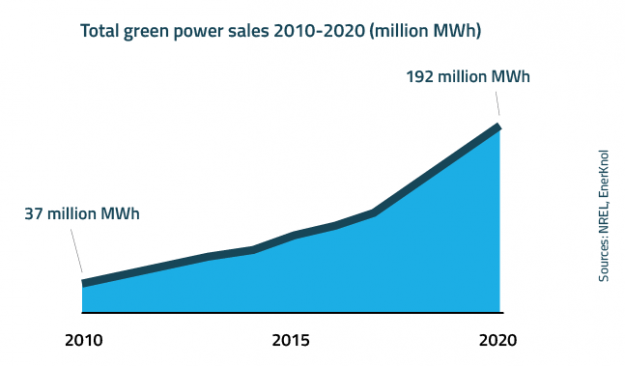
Energy utilities across the U.S. are expanding opportunities for customers to participate in programs designed to reduce their carbon footprint. Green pricing options have been on the rise, encouraging consumers to meet a portion of their electricity needs from renewable energy resources. Carbon offset programs are becoming popular among natural gas utilities, allowing customers to compensate for their combustion-related emissions.
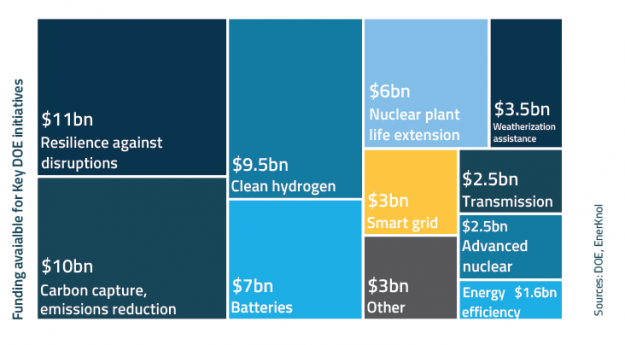
The Infrastructure Investment and Jobs Act (IIJA), which represents the largest investment in U.S. infrastructure, includes major provisions important to the energy industry, ranging from building out the first national network of electric vehicle (EV) charging stations to modernizing the electric transmission grid and expanding clean energy.
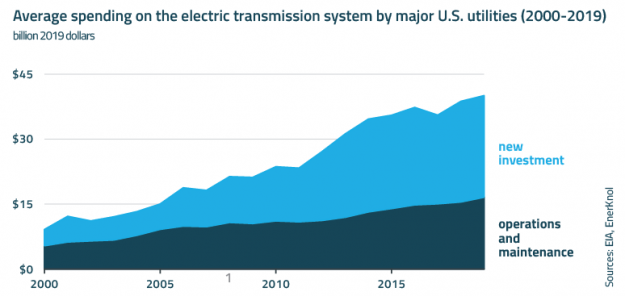
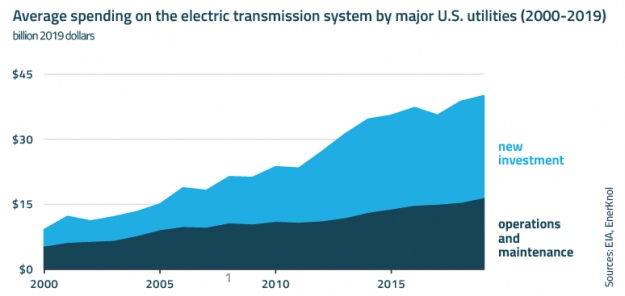
Upgrading and expanding the U.S. electric transmission system is key to enhancing grid reliability and resilience while enabling greater integration of carbon-free resources to meet clean energy goals.
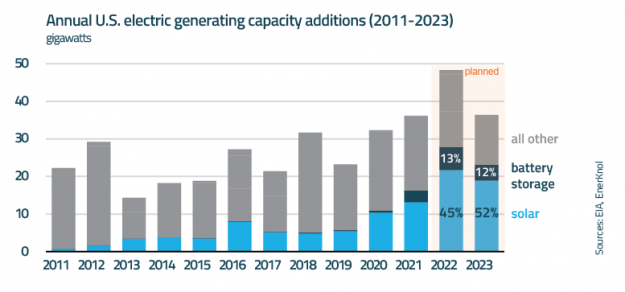
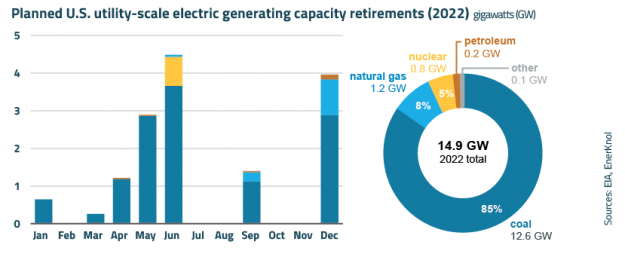
Long-term planning strategies of electric utilities across the U.S. reflect the growing trend towards phasing out coal-fired power generation while embracing renewables. Coal power plants account for 85 percent of electric generating capacity scheduled to retire in the U.S. during 2022, according to the U.S. Energy Information Administration (EIA).
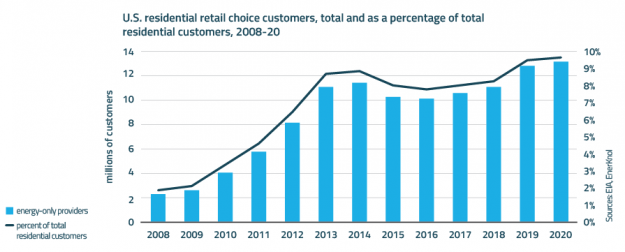
Revisions to rules governing competitive retail electricity markets are focused on strengthening customer protections while exploring ways to expand access to these markets. Recent actions include efforts to open retail electric competition in Arizona, Connecticut’s investigation into supplier offers, and Maine’s update to marketing standards for retail electric services.
Several states are reshaping their distributed generation policies and programs amid the proliferation of distributed solar and other solutions prompted by changing customer needs and clean energy goals. Recent actions range from California’s proposed net metering successor, which has triggered cost-shift debates in the nation’s largest solar market, to New York’s roadmap to achieve 10 gigawatts (GW) of distributed solar by 2030.
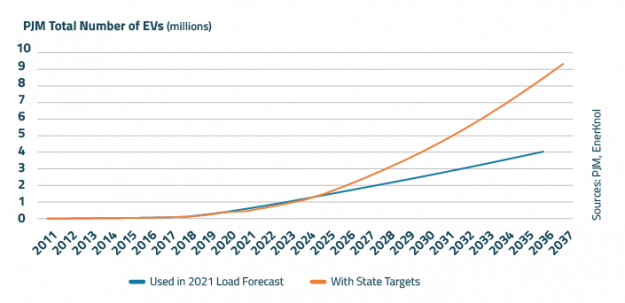
Federal and state agencies are advancing policy measures and incentives to foster transportation electrification, a key strategy to achieve ambitious emissions reduction mandates. Recent actions range from stronger national fuel efficiency standards to California’s $1.5 billion annual investment in clean vehicle incentives, and clean truck rules in New York and New Jersey.
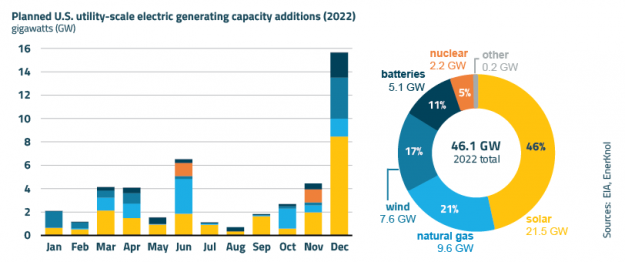
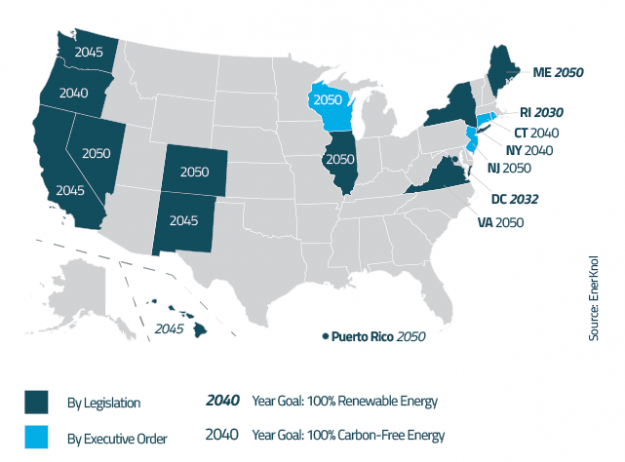
Across the U.S., the massive transformation of the power sector towards renewables and zero-emissions sources is set to accelerate, aided by supportive federal policies from an administration focused on climate action and ambitious state decarbonization goals. The exponential growth of renewables will continue to drive grid modernization and transmission development, while efforts to fortify the…...
Regulators across the U.S. are accelerating electric transmission projects worth tens of billions of dollars to bring renewable power to consumers and make the grid more resilient against extreme weather events. Infrastructure updates have also garnered bipartisan support on the federal level, with more than $65 billion allocated for clean energy transmission and grid development in the Infrastructure Investment and Jobs Act enacted by the Congress last month.
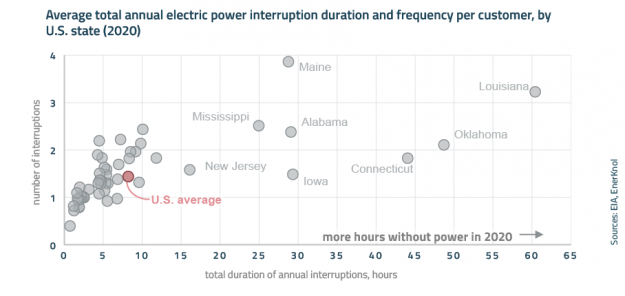
The growing incidence of extreme weather events has triggered regulatory and legislative efforts across the U.S. to improve the reliability and resilience of the energy system. Winter Storm Uri, which caused widespread outages in the South Central U.S. in February, prompted a regulatory upheaval in Texas, which suffered the brunt of the storm, leaving more than 4.5 million people without power. California has adopted measures to ensure reliability in the event of extreme weather in the summers of 2022 and 2023. Federal regulators have approved new cold weather electric reliability standards.