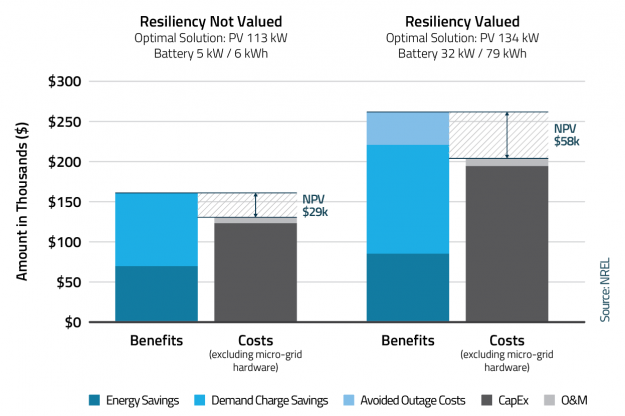
More states and utilities are exploring microgrids as part of their resiliency strategies driven by the growing demand to bolster the reliability of the power system in the face of extreme weather events, such as storms and wildfires.
Utility commissions in almost a dozen jurisdictions have canceled hearings and revised procedural schedules in several pending electric and natural gas rate cases. A few utilities have committed to delay the implementation of rates, in order to avoid burdening customers amid the difficult circumstances created by the COVID-19 pandemic.
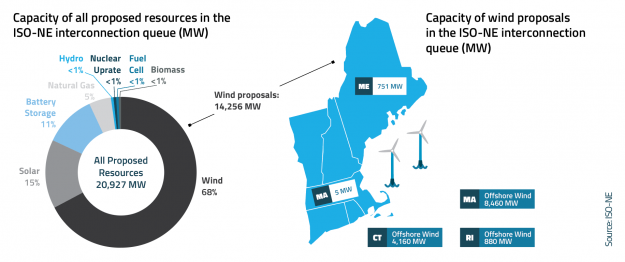
The New England grid operator has proposed a long-term, market-based solution to the region’s energy security problem as the power generation fleet moves towards a mix of energy-limited resources. With the retirement of resources with stored fuel, the system is increasingly reliant on facilities that run on just-in-time natural gas deliveries and weather-dependent wind and solar energy. To address the ensuing challenge, the grid operator proposes to improve the current market structure by creating incentives for the region’s fleet to invest in the energy supply arrangements and technologies on which the region depends.
Amid the economic downturn ensuing from the pandemic, state utility regulators are faced with the challenging task of protecting customers from power shutoffs while also considering costs incurred by utilities. A growing number of state commissions are directing utilities to establish a regulatory asset account to capture and track COVID-19-related incremental costs.
The volatile situation created by the COVID-19 spread has prompted state utility commissions to respond with new directives and guidance on a number of proceedings. Regulators have responded with various measures, including suspending service disconnections, transitioning to virtual meetings, and delaying rate cases.
Virginia has become the first state in the South to begin a clean energy transition with the passage of a sweeping energy bill that sets the state on the path to carbon-free power by 2050. The law replaces the voluntary renewable energy portfolio program with a mandatory standard, and paves the way for an enormous expansion of wind and solar power, energy storage, and energy efficiency.
A growing number of cities across the U.S. are moving toward electrifying their building sectors and banning natural gas use. The Northern California city of Berkeley passed the first such ban, initiating a wave of similar ordinances as a means to reduce carbon emissions. The movement prompted Arizona to enact the first state law preventing local bans on natural gas, and several other states to introduce bills with similar language.
Utility regulators are expanding resource planning requirements as a growing number of utilities are proposing early closure of coal plants, in addition to investing more in solar, wind and battery storage. Long-term resource plans are evolving to consider a host of emerging issues ranging from equity assessments and avoided costs, to reflecting the cost of carbon, as utilities seek to balance flexibility and reliability.
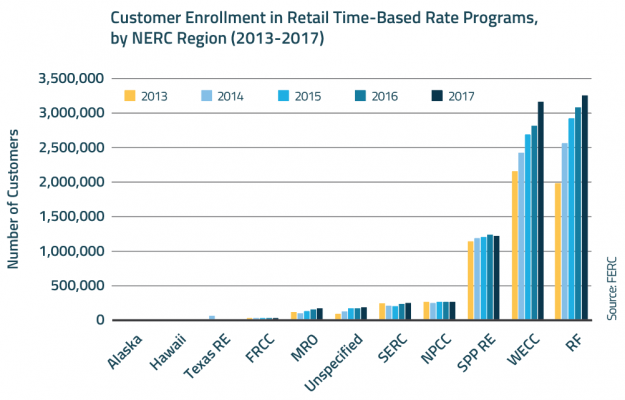
Electric utilities and regulators across the U.S are increasingly considering time-varying rates as a means to reduce peak energy demand, utilize smart meter investments, and balance the grid amid the proliferation of distributed energy resources, including electric vehicles. Rate design that works in concert with the innovations in clean energy technology is critical to modernize the distribution grid.
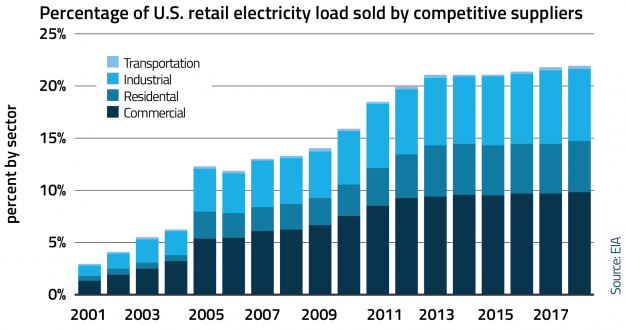
Retail electric choice has garnered increased attention as more states are weighing the prospects of opening their electricity markets to retail competition. In states with retail choice programs, regulators continue to strengthen oversight, in a bid to ensure customer protection and satisfactory service from competitive suppliers. Recent actions range from Arizona regulators’ efforts to implement customer choice, to New York’s strengthening oversight of energy marketers, and the Florida Supreme Court’s rejecting an energy choice ballot initiative.
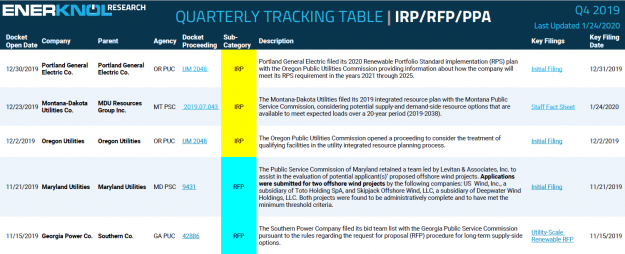
Utilities across North America are investing billions of dollars to decarbonize their power fleets to comply with unprecedented greenhouse gas emission cuts and bold renewable energy targets. The pivot to cleaner and greener power sources is reflected in the integrated resource plans and RFPs that utilities file with state commissions. Keep on top of the…...
A growing number of states are exploring grid modernization to keep pace with fast-evolving technological advances and growing distributed generation. The smart grid concept ties together multiple initiatives ranging from solar-battery microgrids to vehicle-to-grid power flow management, and grid hardening to support reliability and resiliency. It may also include advanced meters, which are a pivotal…...