New and expanded federal tax credits, along with funding for the U.S. Environmental Protection Agency’s Solar for All residential program, have set the stage for further growth in the community solar industry. Several states have taken action to…Read the full report …...
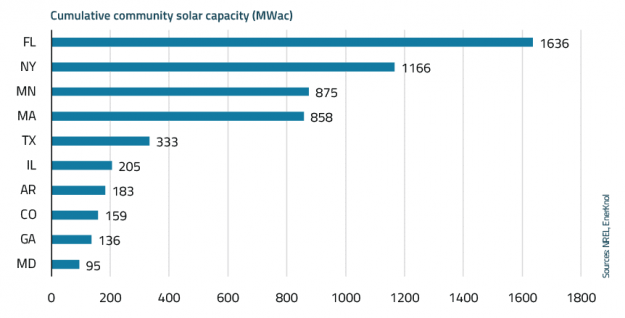
New and expanded federal tax credits, along with funding for the U.S. Environmental Protection Agency’s Solar for All residential program, have set the stage for further growth in the community solar industry. Several states have taken action to establish or expand community solar programs. Also known as shared solar, community solar allows multiple energy customers to participate in projects that are remotely located and receive credits to lower their electricity bill.
Regulators and lawmakers across the U.S. are increasingly exploring the possibilities of deploying virtual power plants (VPPs) as a cost-effective means to provide grid services. VPPs have garnered attention as fossil fuel-fired power plants retire and renewable energy resources continue to grow amid increasing electricity demand.
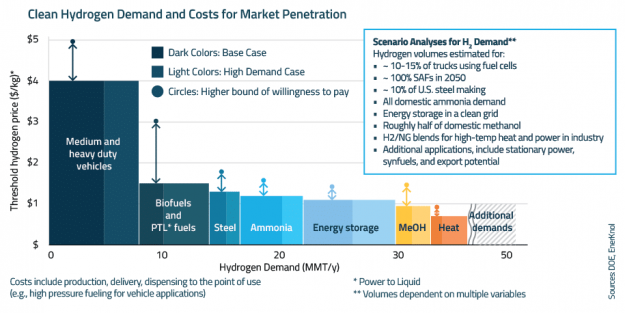
Hydrogen technology continues to garner interest as an effective tool to support the progress towards net-zero emissions and decarbonize hard-to-electrify sectors. Recent developments include establishing a multi-year program plan to guide hydrogen innovation and selecting a consortium to help accelerate commercial liftoff of the clean hydrogen economy.
The notion that natural gas serves as a transition fuel to a low-carbon future has been challenged by a number of studies indicating that emissions of methane, the primary component of natural gas, significantly contributes to global warming. Methane is 80 times more potent than…Read the full report …...
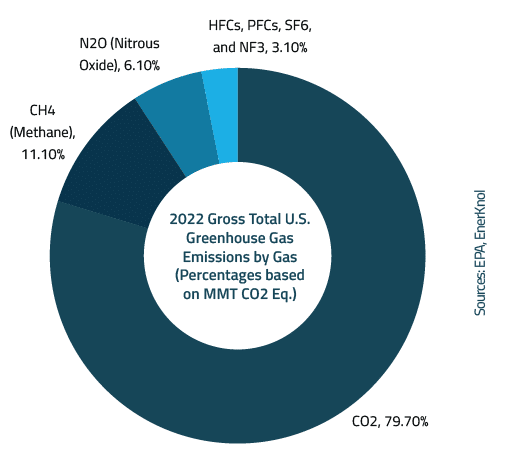
The notion that natural gas serves as a transition fuel to a low-carbon future has been challenged by a number of studies indicating that emissions of methane, the primary component of natural gas, significantly contributes to global warming. Methane is 80 times more potent than carbon dioxide in trapping heat in the atmosphere over a 20-year period.
The U.S. electric grid is undergoing a significant transformation, with renewable energy sources accounting for an increasing share of the nation's electricity supply. To support this transition, the U.S. Department of Energy (DOE) and various state regulatory commissions have recently announced a series of initiatives aimed at streamlining the deployment of clean energy technologies and improving grid reliability and resilience. Renewable generation accounted for as much as 21 percent of the U.S. electricity supply in 2023, according to the U.S. Energy Information Administration.
The Biden administration has been resolute in its efforts to integrate environmental justice and equity into agency operations. From launching the Environmental Justice Scorecard to allocating billions of dollars in funding for clean energy and climate projects, the administration has made notable progress.
States across the U.S. are increasingly embracing energy storage solutions to complement their clean energy initiatives. The growing share of renewables continues to drive the… Read the full report …...
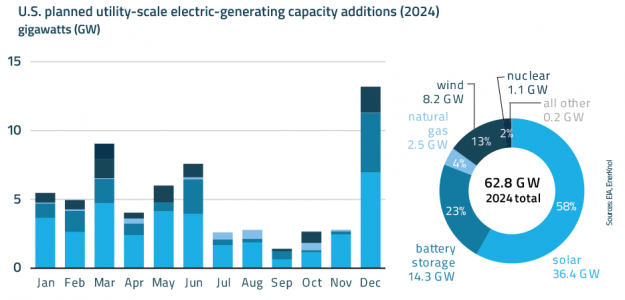
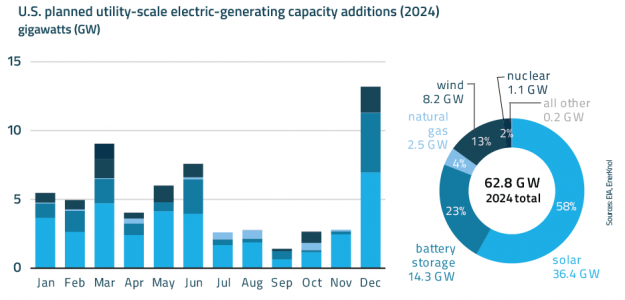
States across the U.S. are increasingly embracing energy storage solutions to complement their clean energy initiatives. The growing share of renewables continues to drive the expansion of battery storage technologies, which can help integrate intermittent resources into the grid. U.S. battery storage capacity is projected to double this year, with planned additions of 14.3 gigawatts (GW), according to the U.S. Energy Information Administration.