As solar adoption accelerates, states across the U.S. are reassessing net energy metering (NEM) policies to ensure fair compensation for solar customers, prevent cost shifts to non-solar ratepayers, and maintain grid reliability.
State utility regulators are ramping up oversight of retail electric markets, with recent actions ranging from Massachusetts resuming its review of customer protections to Maryland implementing reforms to market rules.
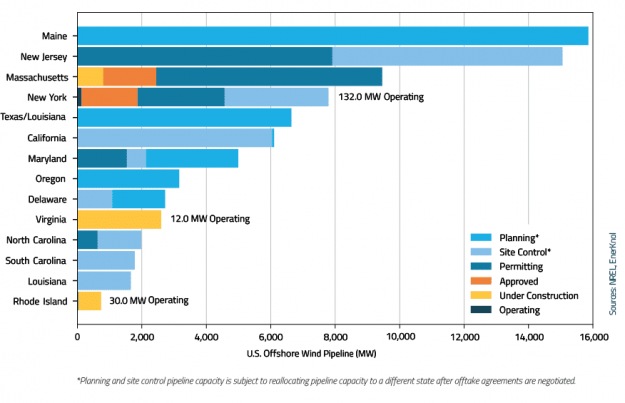
The U.S. offshore wind industry is grappling with a changing landscape amid policy changes and economic challenges. President Donald Trump's recent executive action halting offshore wind leasing and permitting has come as a major setback for the industry. While projects that have already secured federal approvals and financing are expected to move forward, prolonged permitting delays could stall momentum and deter future investment.
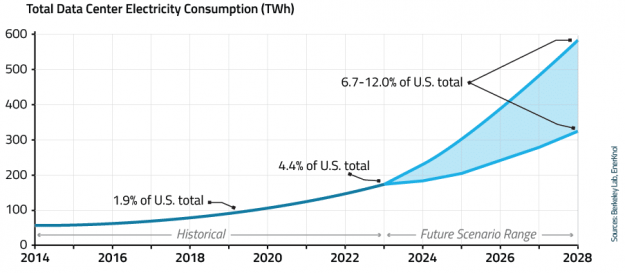
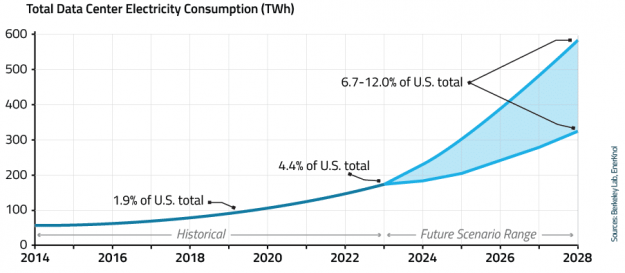
State lawmakers and utility commissions across the U.S. are moving swiftly to address surging energy demand from data centers, driven by the rapid expansion of artificial intelligence applications. As these facilities proliferate, regulators are taking proactive steps to ensure utilities can accommodate massive new loads without straining the grid or increasing costs for existing customers.
As electricity demand soars, nuclear power is emerging as a key solution to ensure grid stability and achieve net-zero emissions goals. More recently, increasing demand, particularly from data centers, is fueling the push to restart previously shut-down nuclear plants.
President Trump has issued a series of executive actions signaling major changes in the U.S. energy landscape, including declaring a national energy emergency, expanding fossil fuel development, suspending offshore wind initiatives, and withdrawing the U.S. from the Paris Climate Agreement. These actions represent a sharp departure from former President Biden’s renewable energy and climate-focused policies.
Discussions on utilities' natural gas planning are progressing, with several U.S. states actively engaging stakeholders to identify solutions and shape future strategies. These efforts focus on critical issues such as aligning regulatory frameworks with state climate goals, ensuring reliable service, and adapting to evolving market and technology changes.
States across the U.S. are advancing plans and procurement strategies for the expansion of energy storage deployment to meet ambitious targets. Energy storage helps balance electricity demand from variable energy sources like wind and solar, while providing backup power to the grid during peak usage or outages.
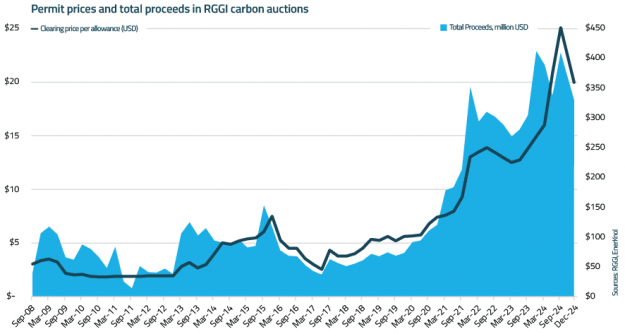
U.S. carbon markets are experiencing a resurgence as key states reinforce their commitment to cap-and-trade systems despite hurdles. Washington's latest carbon auction saw prices rebound following voter support for its program, while a court ruling has invalidated the controversial withdrawal of Virginia from the regional carbon market. Meanwhile, progress in California, Québec, and Washington toward potential program linkage signals a move toward greater market integration, setting the stage for more robust and scalable climate solutions nationwide.
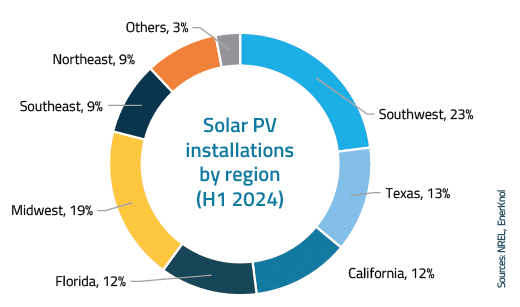
States across the U.S. are taking significant steps to improve distributed solar programs. These initiatives aim to ease access, streamline operations, and address customer needs while supporting broader clean energy goals.
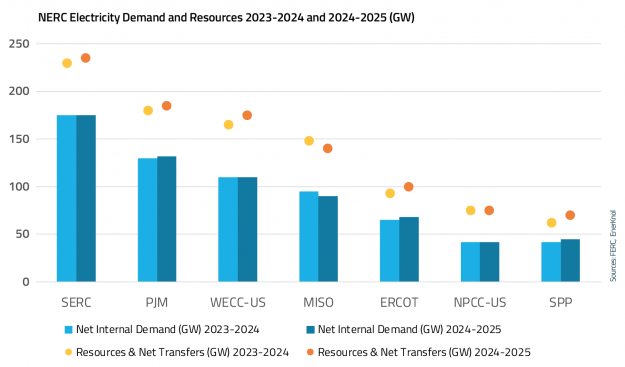
Heading into the winter season, grid operators and utilities across the U.S. continue to strengthen their winter readiness measures to ensure reliable electricity supplies amid rising demand and potential energy shortfalls.
The Biden administration is accelerating efforts to secure its clean energy and climate accomplishments, advancing rules and funding programs to drive decarbonization. Recent initiatives, such as methane emission rules and clean energy investments, aim to solidify progress achieved during the administration's tenure. However, the incoming Trump administration raises concerns of potential policy reversals, similar to the sweeping rollbacks seen in 2017.