Better Plants Chart

U.S. Energy Department’s Better Plants Initiative Saved $9.3 Billion in Energy Costs

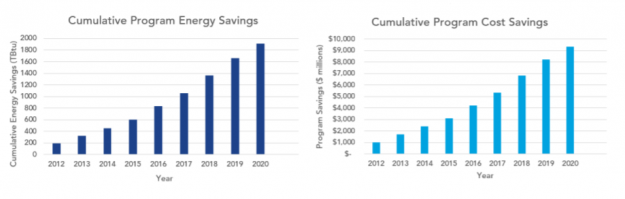
The U.S. Energy Department on Oct. 14 released a progress report of its Better Buildings, Better Plants program that aims to decarbonize the industrial sector. To date, over 250 manufacturers and water utilities have embraced efficiency and decarbonization measures, achieving cumulative savings of $9.3 billion in costs and 1.9 quadrillion British thermal units of energy,…...
Visual Primer: Growing Push for Transportation Electrification Highlights Potential of EVs as Grid Resources

Visual Primer: Growing Push for Transportation Electrification Highlights Potential of EVs as Grid Resources

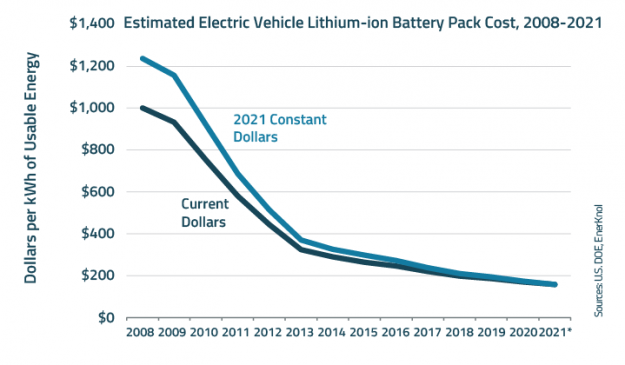
The growing adoption of electric vehicles (EVs) is driving interest in vehicle-grid integration technologies that enable EVs to inject power from their batteries onto the grid, thereby enhancing reliability benefits across the distribution system.

Policy Primer: Grid Modernization - October 2021 Update

Policy Primer: Grid Modernization – October 2021 Update

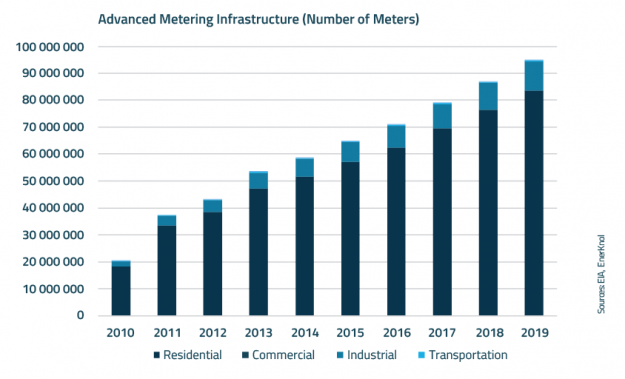
A growing number of states are turning to grid modernization initiatives aimed at creating a more flexible system that can accommodate the proliferation of distributed energy resources (DER) and other solutions that meet changing customer needs and climate goals.

Visual Primer: Hydrogen Technology Draws Interest as Federal, State Regulators Explore Pathways to Carbon-Free Economy

Visual Primer: Hydrogen Technology Draws Interest as Federal, State Regulators Explore Pathways to Carbon-Free Economy

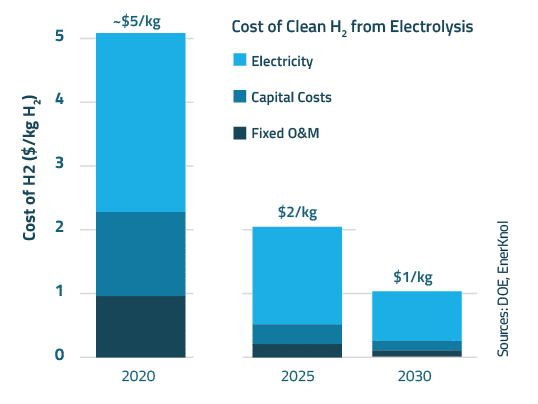
As the power and transportation sectors shift toward decarbonization, federal and state regulators are examining hydrogen's untapped potential in lowering emissions across industries ranging from energy storage to heavy-duty vehicles.

Visual Primer: Wave Towards 100 Percent Clean Power Intensifies as Illinois and Oregon Join the Pack

Visual Primer: Wave Towards 100 Percent Clean Power Intensifies as Illinois and Oregon Join the Pack

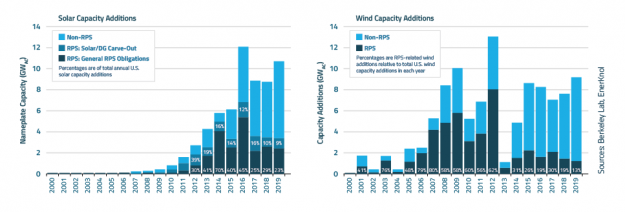
The importance of U.S. state renewable portfolio standards (RPS) continues to grow, with recent changes reflecting the trend of strengthening renewable energy targets. Several states have expanded their RPS programs to broader clean energy standards, which establish milestones to achieve a carbon-free electricity supply.

Policy Primer: Net Energy Metering Reforms - September 2021 Update

Policy Primer: Net Energy Metering Reforms – September 2021 Update

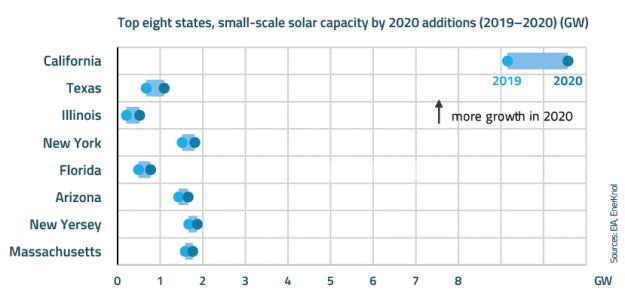
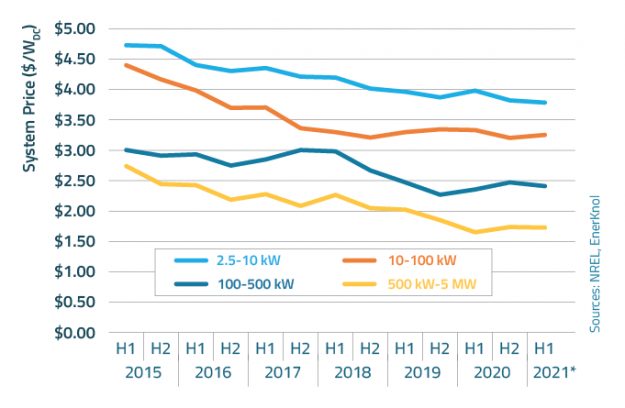
As the distributed solar landscape evolves, revisions and successors to net metering programs seek to ensure that the compensation rate and other and program elements avoid cost shifting to non-participating customers while supporting a value proposition for new solar customers.

EnerKnol Research PU Visual Primer SREC 2021 09 14 Blog preview

Visual Primer: Solar Credit Markets Evolve as States Revisit Incentive Programs

The expansion of renewable portfolio standards (RPS) has prompted several states to reshape their solar incentive programs. The market for solar renewable energy certificates (SRECs) is driven by solar carve-outs in RPS programs, which require utilities to procure a certain percentage of their electricity from renewable resources.

Visual Primer: Reforms to PURPA Rules Influence Small Renewable Energy Development Across U.S.

Visual Primer: Reforms to PURPA Rules Influence Small Renewable Energy Development Across U.S.

Amid the growing interest in clean energy, state and federal policy changes to utility power procurement rules under the Public Utility Regulatory Policies Act of 1978 (PURPA) are shaping the portfolios of small renewable power producers. PURPA, which has been a key driver of renewable generation in the U.S., sets requirements for utilities to purchase power from small independent electricity and cogeneration facilities.

California Commission Approves Nearly $6.9 Billion Revenue Requirement for SCE

California Commission Approves Nearly $6.9 Billion Revenue Requirement for SCE

The California Public Utilities Commission has authorized a 7.63 percent increase to Southern California Edison’s revenue requirement for 2021, down from the utility’s initial request of a 19.03 percent hike. The decision authorizes a $6.899 billion revenue requirement for operations and capital investment in 2021, about $730 million less than what the utility requested. This…...

U.S. Utilities Expected to Add 10 Gigawatts of Battery Storage From 2021-2023: EIA

U.S. Utilities Expected to Add 10 Gigawatts of Battery Storage From 2021-2023: EIA

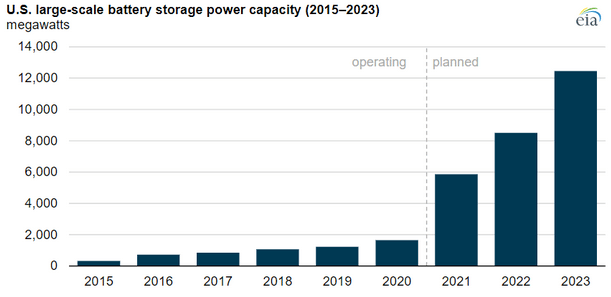
U.S. large-scale battery power capacity grew by 35 percent in 2020, reaching 1.65 gigawatts, according to an Aug. 20 report from the U.S. Energy Information Administration. Battery power capacity tripled over the last five years. Between 2021-2023, utilities are expected to install more than 10 gigawatts of additional capacity, which is about ten times the…...

Policy Primer: Competitive Retail Electricity Markets August 2021 Update

Policy Primer: Competitive Retail Electricity Markets August 2021 Update

As the retail energy marketplace evolves, state lawmakers and regulators are expanding their focus on the impacts to clean energy and long-term reliability, in addition to consumer protections and operational efficiencies.

EK Webinar Cold Weather Reliability

EnerKnol Webinar: Cold Weather Reliability

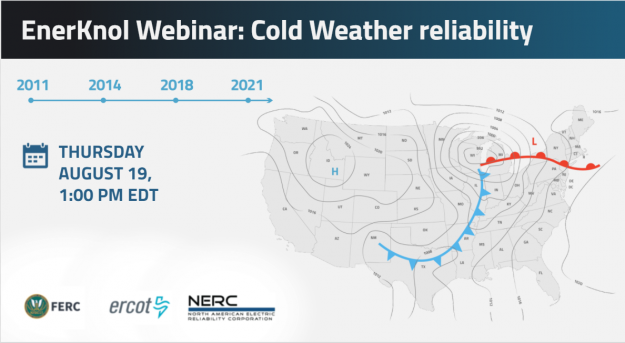
Extreme cold weather conditions were a major factor in multiple grid events that occurred over the last decade, most notably the recent mid-February Winter Storm Uri that affected the south-central U.S., causing widespread outages and forcing natural gas processing plants to shut down. The impacts of these events on electric and gas systems that were unprepared for the challenge has emphasized the need to address cold weather reliability.