President Trump has issued a series of executive actions signaling major changes in the U.S. energy landscape, including declaring a national energy emergency, expanding fossil fuel development…Read the full report …...
President Trump has issued a series of executive actions signaling major changes in the U.S. energy landscape, including declaring a national energy emergency, expanding fossil fuel development, suspending offshore wind initiatives, and withdrawing the U.S. from the Paris Climate Agreement. These actions represent a sharp departure from former President Biden’s renewable energy and climate-focused policies.
Discussions on utilities’ natural gas planning are progressing, with several U.S. states actively engaging stakeholders to identify solutions and shape future strategies. These efforts focus on…Read the full report …...
Discussions on utilities' natural gas planning are progressing, with several U.S. states actively engaging stakeholders to identify solutions and shape future strategies. These efforts focus on critical issues such as aligning regulatory frameworks with state climate goals, ensuring reliable service, and adapting to evolving market and technology changes.
States across the U.S. are advancing plans and procurement strategies for the expansion of energy storage deployment to meet ambitious targets. Energy storage helps…Read the full report …...
States across the U.S. are advancing plans and procurement strategies for the expansion of energy storage deployment to meet ambitious targets. Energy storage helps balance electricity demand from variable energy sources like wind and solar, while providing backup power to the grid during peak usage or outages.
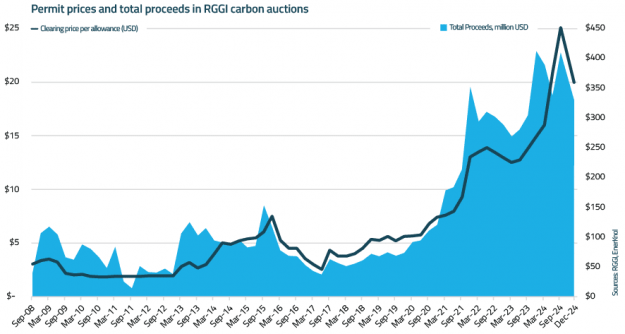
U.S. carbon markets are experiencing a resurgence as key states reinforce their commitment to cap-and-trade systems despite hurdles. Washington’s latest carbon auction saw prices rebound following voter support for its program, while a court ruling has…Read the full report …...
U.S. carbon markets are experiencing a resurgence as key states reinforce their commitment to cap-and-trade systems despite hurdles. Washington's latest carbon auction saw prices rebound following voter support for its program, while a court ruling has invalidated the controversial withdrawal of Virginia from the regional carbon market. Meanwhile, progress in California, Québec, and Washington toward potential program linkage signals a move toward greater market integration, setting the stage for more robust and scalable climate solutions nationwide.
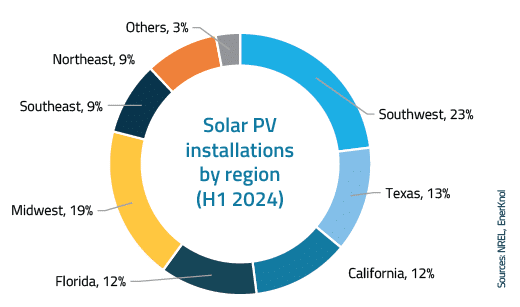
States across the U.S. are taking significant steps to improve distributed solar programs. These initiatives aim to ease access, streamline operations, and address customer needs while supporting broader clean energy goals.
Heading into the winter season, grid operators and utilities across the U.S. continue to strengthen their winter readiness measures to ensure reliable…Read the full report …...
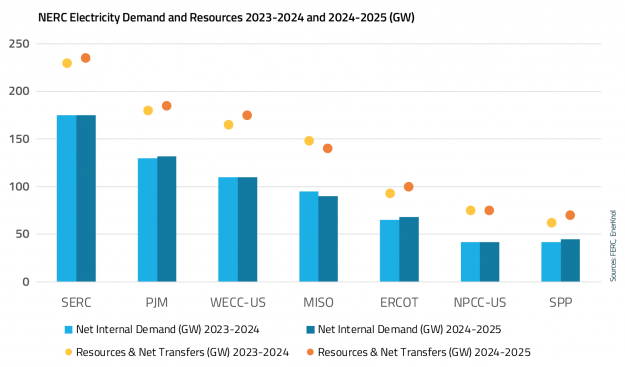
Heading into the winter season, grid operators and utilities across the U.S. continue to strengthen their winter readiness measures to ensure reliable electricity supplies amid rising demand and potential energy shortfalls.