Discussions around carbon markets reflect the growing emphasis on collaborative efforts to advance climate solutions. Despite gaining prominence as an efficient market-based solution to reduce emissions, carbon trading initiatives face obstacles due to concerns of…Read the full report …...
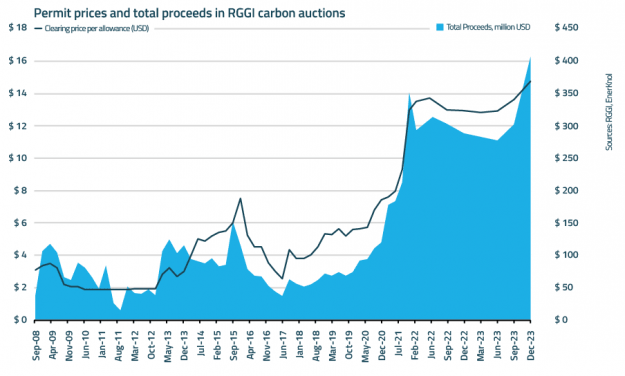
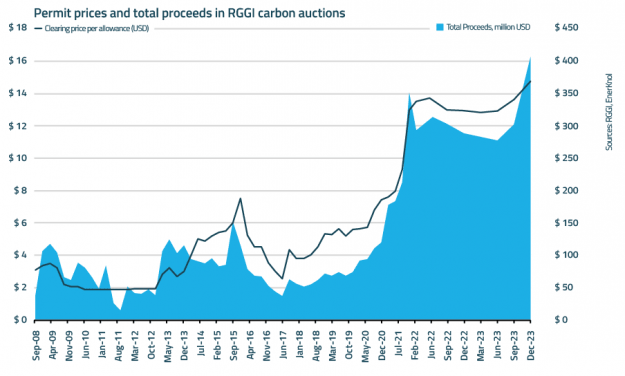
Discussions around carbon markets reflect the growing emphasis on collaborative efforts to advance climate solutions. Despite gaining prominence as an efficient market-based solution to reduce emissions, carbon trading initiatives face obstacles due to concerns of higher energy prices.
The drive towards a low-carbon future has prompted changes to solar incentive programs as lawmakers and regulators emphasize the role of the distributed generation market in achieving energy and environmental goals. Recent measures range from…Read the full report …...
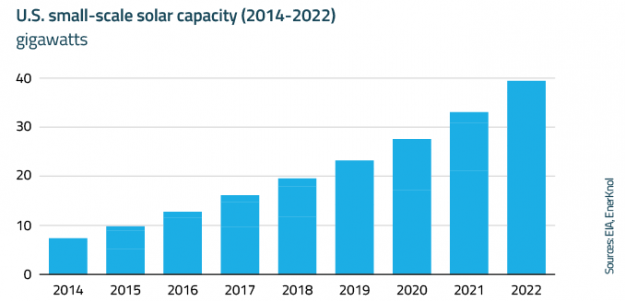
The drive towards a low-carbon future has prompted changes to solar incentive programs as lawmakers and regulators emphasize the role of the distributed generation market in achieving energy and environmental goals. Recent measures range from New Jersey’s dual-use solar pilot to California’s revisions to solar tariffs and a report examining virtual power plants for grid reliability.
Long-term planning strategies of natural gas utilities across the U.S. are evolving in response to ambitious clean energy and emissions reduction goals. Policies to achieve net-zero emissions by mid-century are leading…Read the full report …...
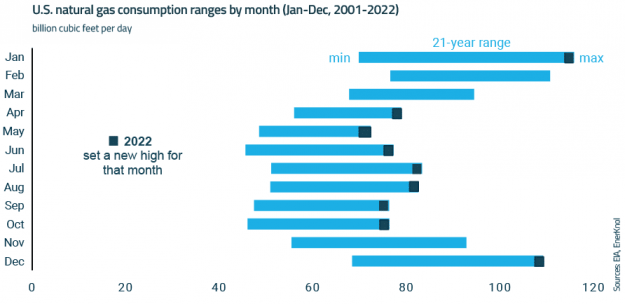
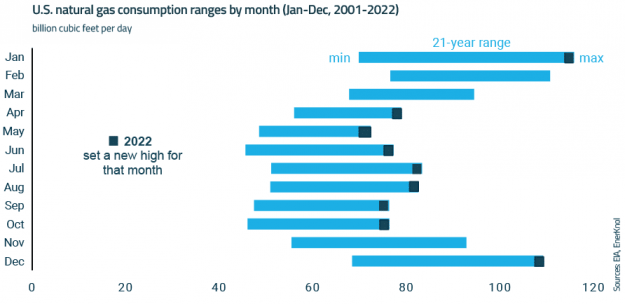
Long-term planning strategies of natural gas utilities across the U.S. are evolving in response to ambitious clean energy and emissions reduction goals. Policies to achieve net-zero emissions by mid-century are leading state regulators and utilities to explore pathways to decarbonize the energy system.
Amid growing federal and state efforts to encourage advanced nuclear technologies to accomplish decarbonization goals, a recent announcement to terminate a first-of-a-kind small modular reactor (SMR) power project in the U.S. signifies…Read the full report …...
Strategic actions to optimize the distribution grid are imperative to meet the demands of the evolving power sector. Changing policies, climate action, and customer preferences have led to the growth in distributed energy resources and demand-side opportunities, prompting regulators and utilities to explore robust grid planning approaches that accommodate the growth and meet increased demand from electrification.
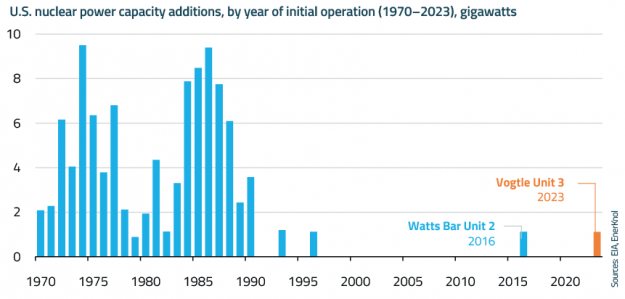
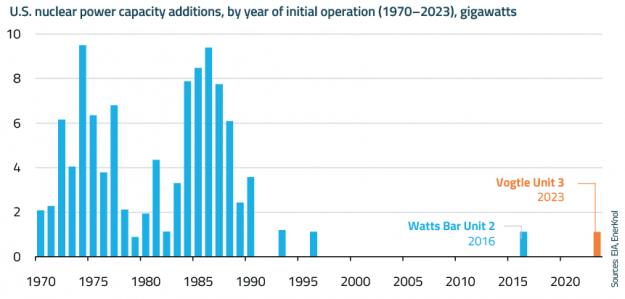
Amid growing federal and state efforts to encourage advanced nuclear technologies to accomplish decarbonization goals, a recent announcement to terminate a first-of-a-kind small modular reactor (SMR) power project in the U.S. signifies the hurdles facing the industry.
Strategic actions to optimize the distribution grid are imperative to meet the demands of the evolving power sector. Changing policies, climate action, and customer preferences have led to the growth in distributed energy resources and demand-side opportunities, prompting regulators and utilities to explore robust grid planning approaches that accommodate the growth and meet increased demand from electrification.
There is a growing focus on regional collaboration to improve transmission planning and operations as grid operators and states explore strategies to enhance system reliability while transitioning to a lower-carbon grid. Recent actions include a comprehensive action plan to connect offshore wind projects to the electric grid and a multi-state proposal to establish a collaborative on interregional transmission.