Policy Primer: Grid Modernization

Policy Primer: Grid Modernization

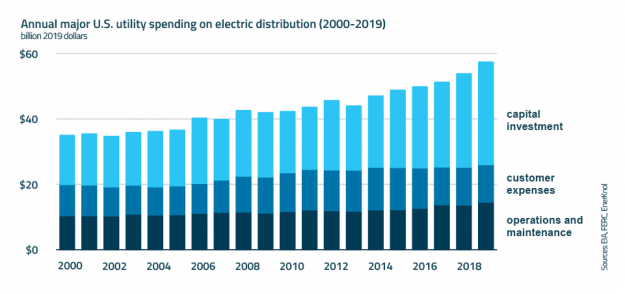
Grid modernization endeavors are progressing at a fast pace as states explore solutions to advance clean energy and climate goals while effectively meeting customer needs. Modernizing the grid is necessary to support the integration of additional levels of renewables, leverage customer-sited resources to participate in grid operations, and empower consumers with more choices for electric service.
Visual Primer: Race for Carbon-Free Grid Puts Hydropower in New Light

Visual Primer: Race for Carbon-Free Grid Puts Hydropower in New Light

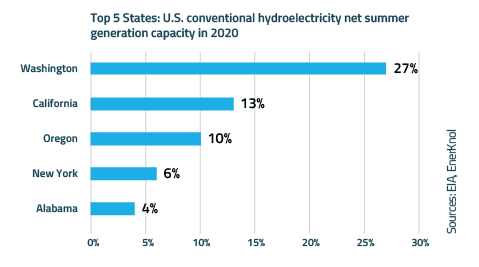
Changing power sector trends driven by mandates and goals to achieve carbon-free electricity have renewed interest in the future role of hydropower. As the target years draw near, large-scale hydropower offers an attractive solution to contribute to the evolving generation mix.

Visual Primer: Rapidly Evolving Cyber Threat Landscape Reignites Concerns About Critical Infrastructure Vulnerability

Visual Primer: Rapidly Evolving Cyber Threat Landscape Reignites Concerns About Critical Infrastructure Vulnerability

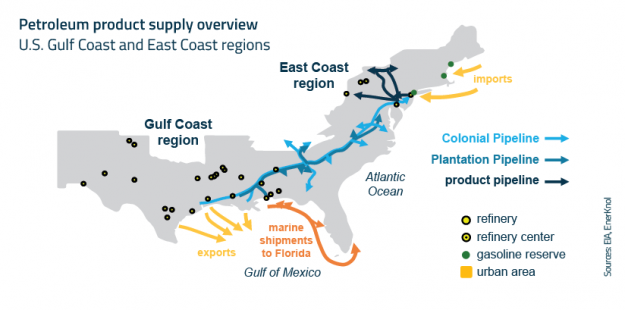
A recent ransomware attack that shut down the Colonial Pipeline system, which supplies nearly half the fuel consumed on the East Coast, has elevated concerns about the use of cyberattacks to paralyze key infrastructure. The incident is the latest example of intrusions exposing U.S. cyber vulnerabilities, calling for stronger measures to secure the nation’s energy pipelines and critical infrastructure against increasingly sophisticated and malicious attacks.

Visual Primer: Preserving Existing Nuclear Generation Fleet Expected to Help Drive Clean Energy Transition

Visual Primer: Preserving Existing Nuclear Generation Fleet Expected to Help Drive Clean Energy Transition

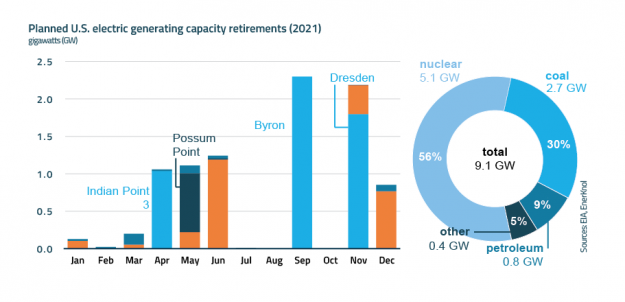
Options to sustain the existing nuclear generation fleet have resurfaced as states reevaluate their resource portfolios to expedite the transition to carbon-free energy. Policy support for the resource emerged as a means to stave off plant closures in the face of economic challenges, by rewarding its fuel diversity and zero-carbon attributes.

U.S. Transportation Department Declares Regional Emergency as Cyberattack Shuts Down Major Fuel Pipeline

U.S. Transportation Department Declares Regional Emergency as Cyberattack Shuts Down Major Fuel Pipeline

The U.S. Transportation Department’s Federal Motor Carrier Safety Administration on May 9 declared a regional emergency in 17 states and the District of Columbia in response to the unexpected shutdown of the Colonial pipeline system, which transports about 45 percent of fuel consumed on the East Coast. On May 7, the pipeline operator said that…...

State Policy Playbook: Washington Expedites Measures to Fulfill Clean Energy Policy Agenda

State Policy Playbook: Washington Expedites Measures to Fulfill Clean Energy Policy Agenda

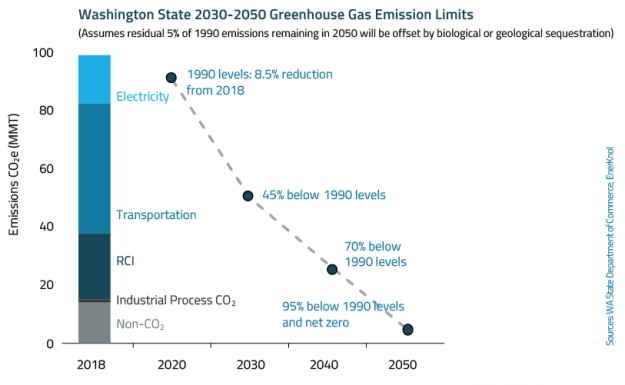
Washington is moving expeditiously to implement rules and strategies as the state seeks to achieve carbon-free electricity by 2045 and reduce emissions to net zero by 2050. The state is advancing multiple measures ranging from resource planning rules to establishing a carbon cap-and-trade program, and strengthening auto-emission standards.

U.S. Court Upholds New England Capacity Market Exemptions For State-Sponsored Renewables

Dominion Launches Solicitation for 1,000 Megawatts of Renewables, Storage

Dominion Energy Inc. on April 29 announced a solicitation seeking proposals to develop up to 1,000 megawatts of utility-scale solar and onshore wind generation facilities and 100 megawatts of energy storage projects in Virginia. The company issues solicitations annually to procure the resources needed to meet the targets of the 2020 Clean Economy Act, which…...