Six Policies Pushing Hawaii Towards 100 Percent Renewables

EnerKnol’s Visual Primer – Six Policies Pushing Hawaii Towards 100 Percent Renewables

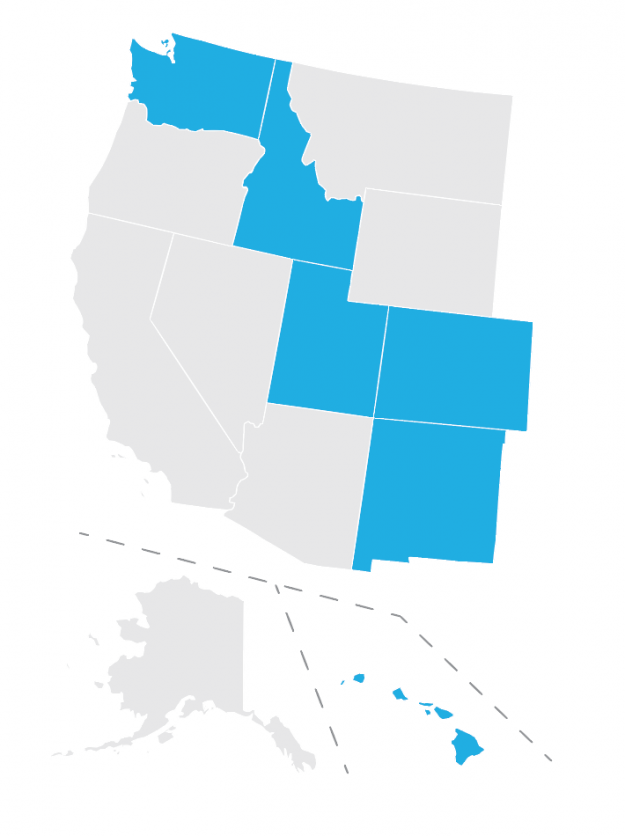
Over the past four months, Hawaii has established performance-based ratemaking, initiated a microgrid tariff proceeding, unveiled a grid planning proposal, and enacted three bills on climate including a framework for carbon credits to fund carbon mitigation projects. The island is also exploring an electric vehicle roadmap.

Eastern States Unleash New Momentum for U.S. Offshore Wind

EnerKnol’s Visual Primer – Eastern States Unleash New Momentum for U.S. Offshore Wind

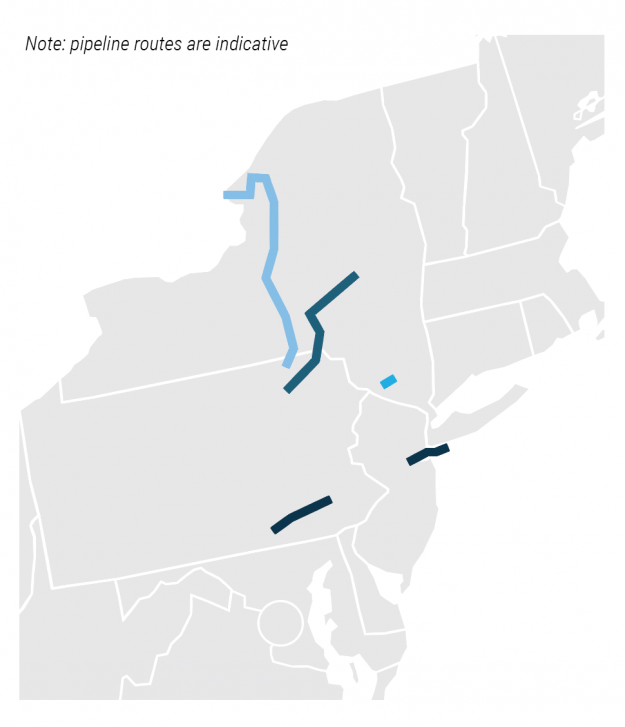
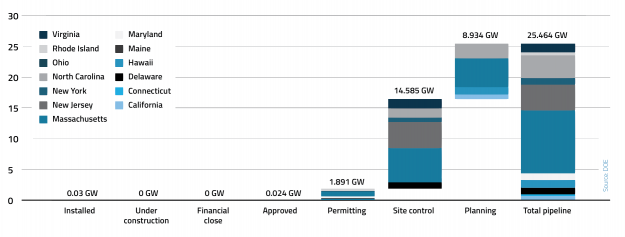
The U.S. offshore wind industry is picking up pace as eastern states are pushing aggressive wind energy procurement goals. Massachusetts, Rhode Island, and Connecticut recently contracted for offshore wind capacity totaling 1.4 gigawatts. New York and New Jersey are making progress towards project solicitations.

New Jersey Solar Credit Market is in for Overhaul under New Incentive Program

EnerKnol’s Visual Primer – New Jersey Solar Credit Market is in for Overhaul under New Incentive Program

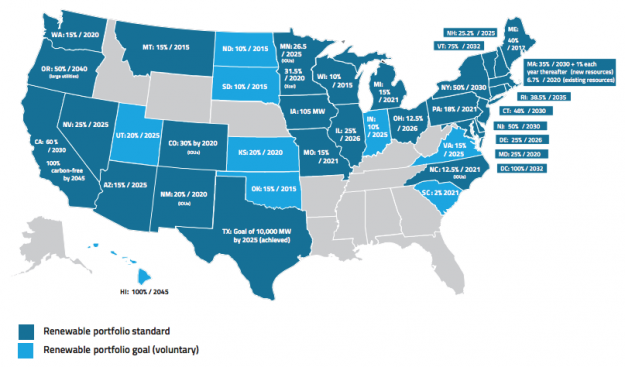
New Jersey has enacted legislation expanding the state’s renewable portfolio standard (RPS) to 50 percent by 2030 and phasing out the solar renewable energy certificate (SREC) program by 2021 to establish a new or modified framework to support solar development. The move addresses an impending oversupply of SRECs, providing a near-term boost to keep the solar industry growth while the state crafts a long-term plan.

EnerKnol's Visual Primer - Battery Storage Catching up to Natural Gas as a Peaking Resource

EnerKnol’s Visual Primer – Battery Storage Catching up to Natural Gas as a Peaking Resource

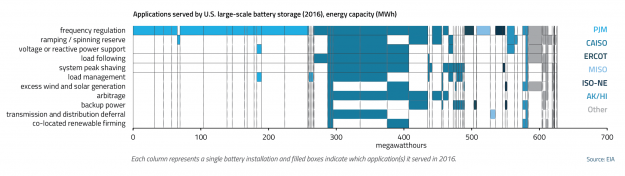
Growing large-scale deployments of energy storage systems, driven by declining costs and evolving technology, has opened an opportunity for these systems to compete with traditional natural gas peaker plants. Standalone storage makes for a resource-agnostic solution that would enable utilities to charge up as required using the available energy mix. As improvements in technology allow battery systems to provide power for longer periods, utilities will benefit as they must manage a growing share of renewables while meeting peak demand.

Utilities Adapt Resource Plans to Reap Economics of Renewables, Storage

EnerKnol’s Visual Primer – Utilities Adapt Resource Plans to Reap Economics of Renewables, Storage

Electric utilities are striving to develop Integrated Resource Plans based on an evaluation of the full range of available supply and demand side options in a changing energy landscape that is becoming more complex and uncertain due to emerging trends. These include intermittent large-scale renewable energy, customer-sited distributed energy resources, energy efficiency, demand response, upgrades to aging infrastructure, and legislative clean energy mandates.

EnerKnol's Visual Primer - Smart Charging Boosts Role of Electric Vehicles in Balancing Evolving Power Grid

EnerKnol’s Visual Primer – Smart Charging Boosts Role of Electric Vehicles in Balancing Evolving Power Grid

The smart grid evolution has unleashed opportunities for electric vehicles thanks to technologies that allow them to feed power back into the grid. Utilities and grid regulators are eyeing plug-ins as a flexible resource class helping address the intermittency of renewables and reduce peak power demand.

Utilities Seek to Weaken Renewable Energy Contracts as DIY Projects Proliferate

EnerKnol’s Visual Primer – Utilities Seek to Weaken Renewable Energy Contracts as DIY Projects Proliferate

The dramatic fall in renewables costs have enticed several utilities to look at large-scale investments and also attracted a large number of independent developers seeking to qualify their projects for must-buy obligations under the Public Utility Regulatory Policies Act of 1978 (PURPA). Utilities have complained about having to overpay qualifying facilities and buy electricity even when they don’t need it. The must-buy requirements are also interfering with the utilities’ own plans of developing renewable plants, intensifying the pushback against PURPA.

Prices Rebound in America's Largest Power Supply Auction as Nukes Fail to Clear

EnerKnol’s Visual Primer – Prices Rebound in America’s Largest Power Supply Auction as Nukes Fail to Clear

PJM Interconnection LLC’s annual capacity auction saw clearing prices ramp up 83 percent from a year ago to $140/megawatt-day, rebounding after a sustained fall for two consecutive auctions. Renewables and demand response did surprisingly well especially because they are deemed seasonal assets with limited ability to meet the new stringent performance standards that require year-round capacity. Despite the high prices, the amount of nuclear generation that cleared the auction fell by over a quarter from last year.

States Seeking Shift to Renewables Unable to Shake Reliance on Gas Power

EnerKnol’s Visual Primer – States Seeking Shift to Renewables Unable to Shake Reliance on Gas Power

The low price of natural gas makes it the go-to choice for ensuring reliability in several states where renewables have captured a large market share. On the other hand, the dominance of natural gas in the power sector is facing a backlash in states that are aggressively pushing for renewable resources. In both cases, however, regulators have become increasingly more concerned about grid reliability as the share of natural gas in the fuel mix continues to grow.

Retail Choice Under Scrutiny Amid Growing Consumer Complaints

EnerKnol’s Visual Primer – Retail Choice Under Scrutiny Amid Growing Consumer Complaints

After years of retail choice, some states have begun to examine whether customers are better off with competitive retailers or on the default service tariff. As retail choice comes under greater scrutiny, regulators will focus on stringent market entry rules and market monitoring that can help avoid deceptive tactics.

Net Metering in Retreat as Utilities Seek to Protect Their Interests

EnerKnol’s Visual Primer – Net Metering in Retreat as Utilities Seek to Protect Their Interests

The net metering policy landscape is reacting to growing customer-sited generation. Facing pressure from utilities about grid use charges to net metering customers, policymakers have started actively seeking alternatives to the policy. Responses vary from new demand charges in Massachusetts and ending net metering in Michigan to New York’s new Value Stack pricing mechanism for distributed generation.