

NERC Warns of Elevated Winter Reliability Risks Across North America Amid Rising Demand
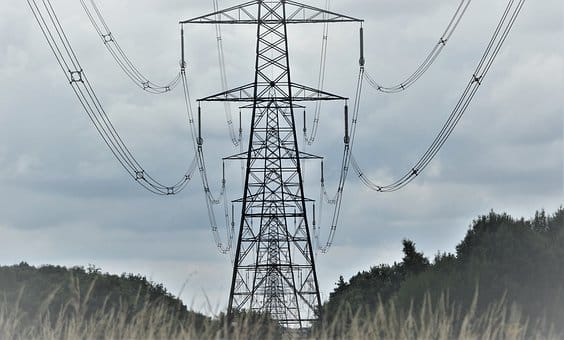
The North American Electric Reliability Corporation on Nov. 18 released its 2025–2026 Winter Reliability Assessment, finding that much of North America faces higher reliability risks if severe cold develops this winter. Resources appear adequate for typical seasonal conditions, but prolonged and wide-area cold snaps could strain supply. Electricity demand has grown by 20-gigawatts since last winter, outpacing available on-peak winter capacity and tightening conditions across several regions.
Natural gas delivery performance showed improvement during the past two winters, yet generator access to fuel remains uncertain during extreme cold because freeze protection practices are not applied consistently across natural gas production and transportation. These gaps can limit the ability of gas-fired units to operate during periods of high stress on the grid.
The assessment reviewed progress on cold weather reliability standards developed after storms Uri and Elliott. The newest standard, EOP-012-3, took effect on Oct. 1 and expands requirements for generator owners to correct known performance issues in a timely manner. Full implementation is considered essential for supporting reliable operation during the coming season.
The report outlines several actions to reduce operational risks. Seasonal operating plans, communication procedures and protocols for addressing potential supply shortfalls should be updated by system operators in elevated risk areas. Generator owners are urged to complete winter readiness plans before December, deploy weatherization measures early and maintain cold weather equipment throughout the season. Operators are also advised to review resources on cold weather preparation to support readiness.
Short-term load forecasts can underestimate demand during extreme cold, making early action important when reserve margins tighten. Fuel readiness remains a priority, and operators are encouraged to conduct generator fuel surveys, plan for potential supply constraints and prepare for procurement challenges that often arise near holiday periods. State and provincial regulators can support winter reliability efforts by reinforcing conservation messaging, monitoring operational updates from grid operators and pipelines and coordinating necessary waivers.
The annual assessment reviews resource adequacy, fuel assurance and operational preparedness and concludes that extreme cold continues to pose significant winter reliability risks.
EnerKnol Pulses like this one are powered by the EnerKnol Platform—the first comprehensive database for real-time energy policy tracking. Sign up for a free trial below for access to key regulatory data and deep industry insights across the energy spectrum.
ACCESS FREE TRIAL