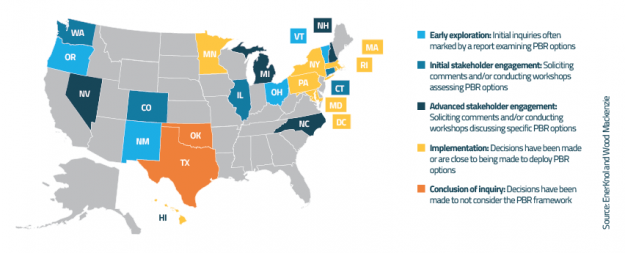
Discussion around performance-based regulation (PBR) continues to evolve as utilities and regulators explore a framework aimed at strengthening the connection between utility returns and performance.
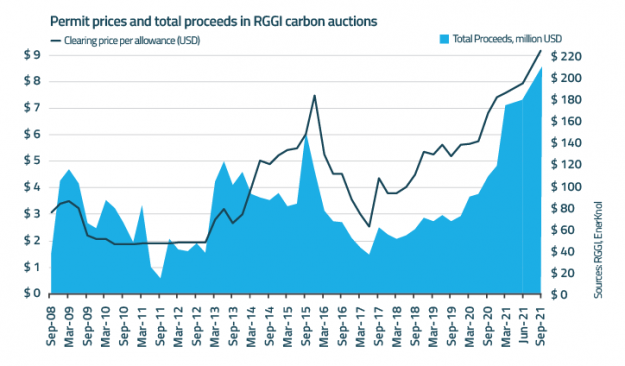
Interest in carbon pricing mechanisms has deepened as lawmakers and regulators explore policy tools to address emissions reductions in order to reach ambitious clean energy and climate goals. Cap-and-trade is figuring more prominently as an efficient market-based means to achieve significant carbon reductions and create an incentive to invest in non-emitting technologies.
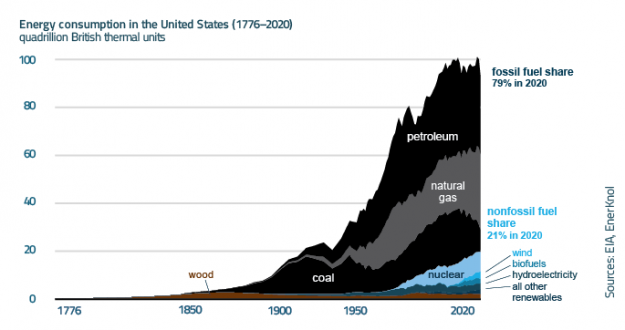
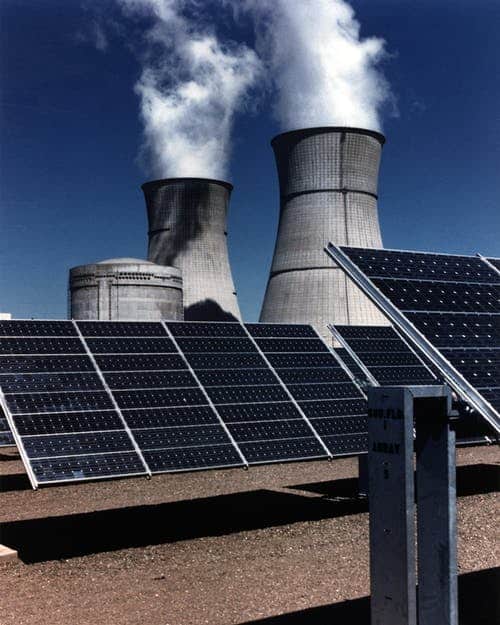
Carbon reduction goals are driving policy support to keep financially-struggling nuclear generation plants operating and encourage new reactors. The fuel diversity and zero-carbon attributes of the resource are fueling the policy debate over its role in meeting state and federal energy and environmental goals.
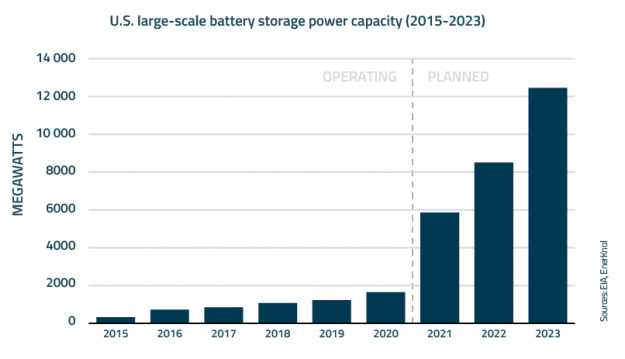
Energy storage is becoming an increasingly important part of the power mix to accommodate the exponential growth of intermittent renewables required to accomplish ambitious decarbonization targets set by U.S. states and utilities.
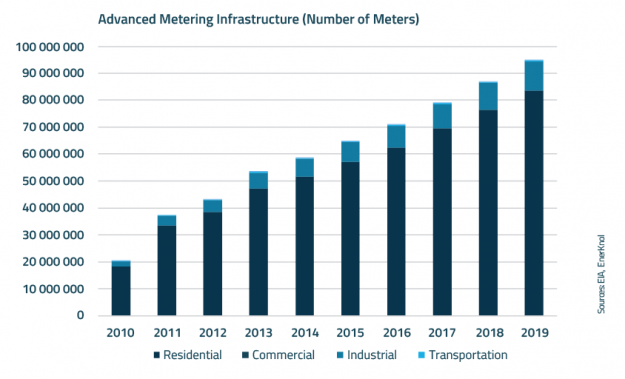
A growing number of states are turning to grid modernization initiatives aimed at creating a more flexible system that can accommodate the proliferation of distributed energy resources (DER) and other solutions that meet changing customer needs and climate goals.
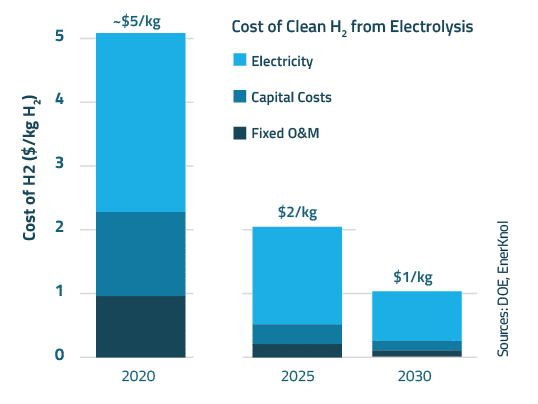
As the power and transportation sectors shift toward decarbonization, federal and state regulators are examining hydrogen's untapped potential in lowering emissions across industries ranging from energy storage to heavy-duty vehicles.
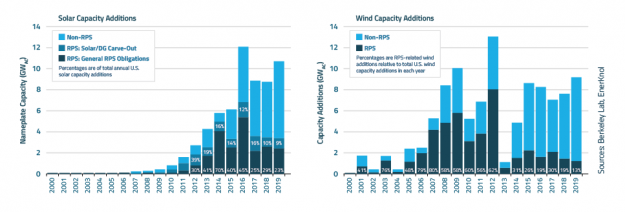
The importance of U.S. state renewable portfolio standards (RPS) continues to grow, with recent changes reflecting the trend of strengthening renewable energy targets. Several states have expanded their RPS programs to broader clean energy standards, which establish milestones to achieve a carbon-free electricity supply.
Illinois Governor J. B. Pritzker, a Democrat, signed legislation on Sept. 15 that puts the state on the path to 100 percent clean energy by 2050. The law sets a goal of 50 percent renewable energy by 2040 and provides financial support for the states’ existing nuclear plants at risk of closure due to market…...
Extreme cold weather conditions were a major factor in multiple grid events that occurred over the last decade, most notably the recent mid-February Winter Storm Uri that affected the south-central U.S., causing widespread outages and forcing natural gas processing plants to shut down. The impacts of these events on electric and gas systems that were unprepared for the challenge has emphasized the need to address cold weather reliability.
Extreme cold weather conditions were a major factor in multiple grid events that occurred over the last decade, most notably the recent mid-February Winter Storm Uri that affected the south-central U.S., causing widespread outages and forcing natural gas processing plants to shut down. The impacts of these events on electric and gas systems that were unprepared for the challenge has emphasized the need to address cold weather reliability.
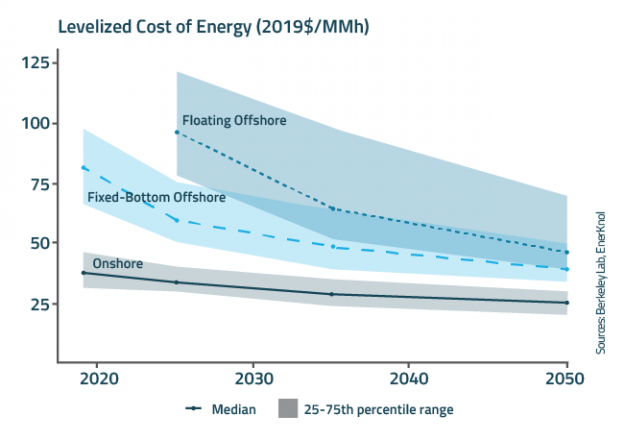
The U.S. offshore wind industry is making strides with significant milestones including approval of the first large-scale project in federal waters, federal efforts to advance permitting processes, and actions towards potential development in the Pacific.
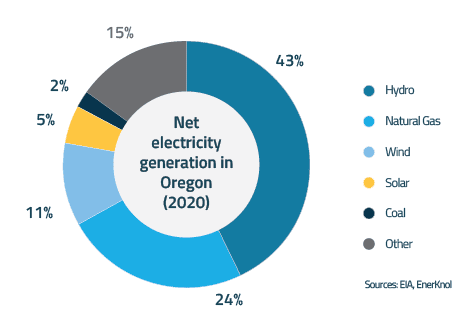
Oregon has embarked on a clean energy transition with the enactment of sweeping legislation that mandates carbon-free power by 2040, setting one of the most ambitious decarbonization timelines in the nation. The state’s carbon reduction efforts range from legislative measures to study renewable hydrogen and expand transportation electrification, to rulemaking for a climate protection plan, and investigation into resource adequacy.