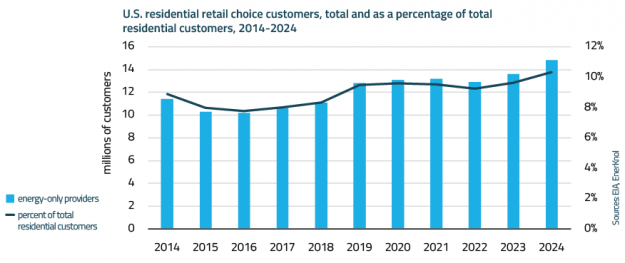
Emerging regulatory initiatives are placing greater scrutiny on competitive retail electricity markets to enhance transparency, accountability, and consumer protection.
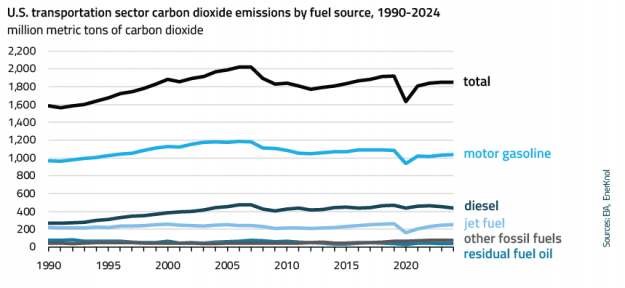
Federal rollbacks and state initiatives are reshaping the policy landscape for transportation decarbonization in the U.S. With federal vehicle emission standards repealed and fuel economy targets facing a rollback, states continue to advance efforts to support the transition to low- and zero-emission transportation.
The Trump administration is continuing sweeping environmental rollbacks, from revising nitrogen oxide standards for stationary combustion turbines to proposing a reset of federal fuel economy standards. These actions are unfolding alongside an intensified push to expand fossil fuels, including opening more than 13 million acres to coal leasing and advancing a more expansive offshore oil and gas leasing program.
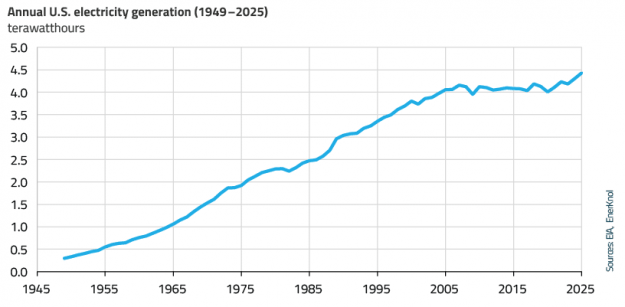
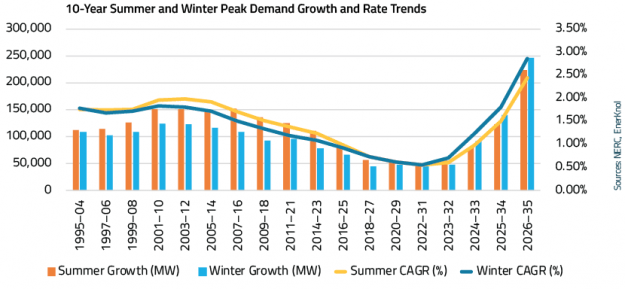
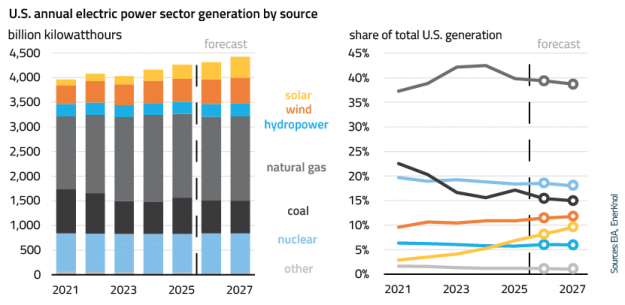
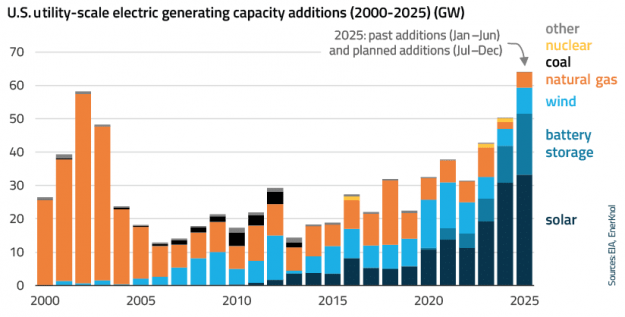
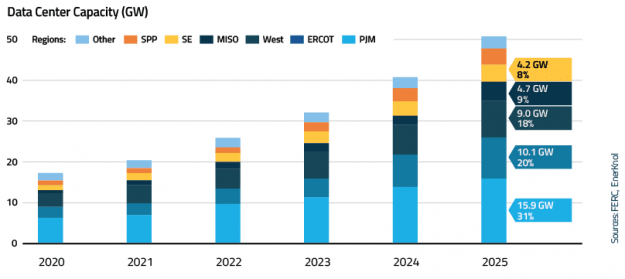
Electricity demand is rising faster and more unevenly than anticipated, drawing increased attention to long-term resource planning and rate design approaches.
While the federal landscape for solar energy has shifted toward more restrictive policies and spending cuts, state efforts to expand deployment are increasingly shaping the pace and direction of growth.
Energy storage is gaining strategic importance as electricity demand surges and grid modernization accelerates across the U.S. Recent legislative and policy actions signal a growing shift toward scaling and integrating battery storage into grid operations.
Amid mounting electricity demand driven by data centers, the U.S. nuclear power industry is entering an era of growth, supported by strategic federal actions, such as strengthening the fuel supply chain, alongside state efforts to preserve the existing fleet and prepare for next generation reactors. These measures complement recent approvals of 20-year license extensions for 13 reactors across the U.S.
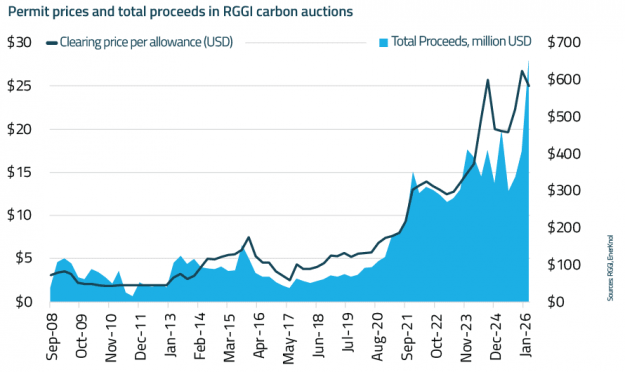
U.S. carbon markets are closing out the year with record prices and strong auction demand, reflecting the growing maturity of emissions trading as state participation evolves. Market performance remains strong across the Northeast and West, even as Pennsylvania withdraws from regional participation.
As federal incentives recede and national fuel economy standards face rollback, momentum for transportation electrification is shifting to states, where regulators are expanding planning efforts, grid upgrades, and charging programs to support continued electrification.
Federal agencies have taken multiple steps in recent months to accelerate fossil fuel development, including new leasing opportunities, investments to expand the U.S. coal industry, and revisions to regulatory requirements for oil and gas producers.
U.S. grid operators and utilities are intensifying winter preparedness efforts to ensure reliable electricity supplies, even as rising demand and supply constraints heighten the risk of energy shortfalls during extreme cold events.