
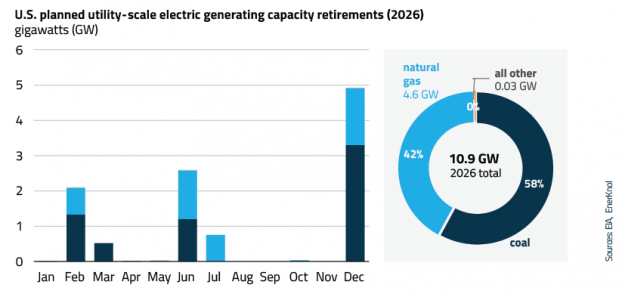
Policy Actions Delay Planned U.S. Coal Plant Retirements Over Reliability Concerns
Policy actions are delaying planned U.S. coal plant retirements, keeping plants operating beyond scheduled closures to…Read the full report …...
Coal Power
Policy actions are delaying planned U.S. coal plant retirements, keeping plants operating beyond scheduled closures to…Read the full report …...
Policy actions are delaying planned U.S. coal plant retirements, keeping plants operating beyond scheduled closures to support grid reliability amid rising electricity demand. In 2025, 8 gigawatts (GW) of coal capacity was expected to be retired, but only 2.6 GW were shut down, according to the U.S. Energy Information Administration (EIA).
U.S. President Joe Biden signed the Infrastructure Investment and Jobs Act into law on Nov.15, unlocking $62 billion for U.S. Energy Department initiatives, including revitalizing domestic manufacturing, expanding access to energy efficiency and clean energy, modernizing the power grid, and advancing next-generation technologies. Among the major provisions, the legislation allocates $6 billion for a Civilian…...
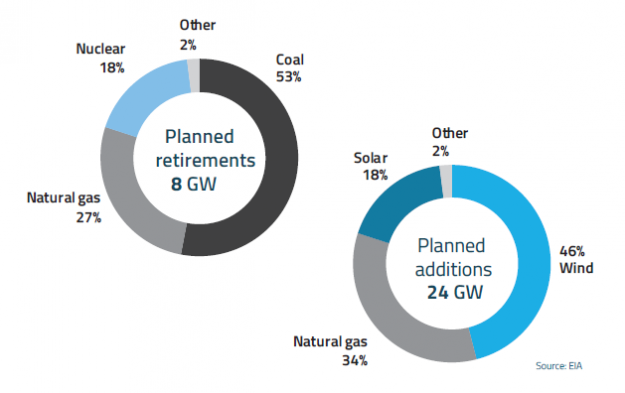
Regions across the U.S. that have long served as strongholds for conventional, non-renewable generating capacity — from Georgia and Michigan to Tennessee — are now starting to accelerate the phase out of the legacy assets in favor of sourcing power from wind and solar, showing just how far-reaching the shift to renewables is spreading.
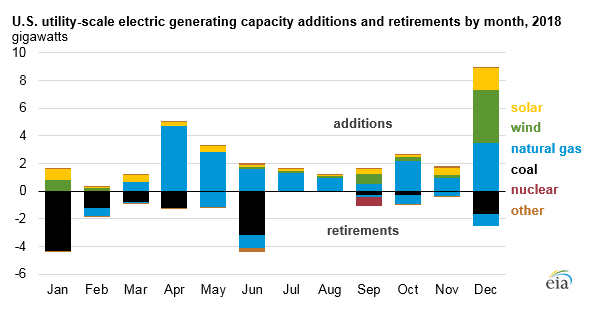
The U.S. added 31.3 gigawatts of generating capacity in 2018, the largest since the 2003 capacity addition of 48.8 gigawatts, according to a March 11 report from the Energy Information Administration. Natural gas accounted for 62 percent of utility-scale additions, while wind and solar photovoltaic represented 21 percent and 16 percent, respectively. Coal accounted for…...
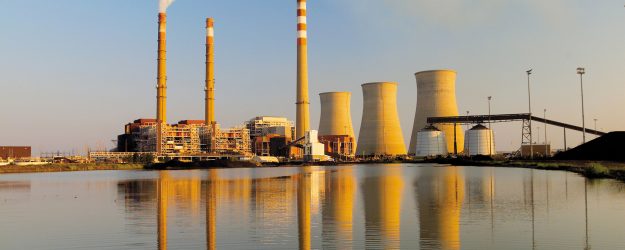
The Tennessee Valley Authority Board of Directors on Feb. 14 approved the retirement of Paradise Unit 3 by 2020 and the Bull Run Fossil Plant by 2023, in order to better balance its generation system with changing demands. The vote reflects TVA’s commitment to replace less-efficient coal-fired plants with cleaner resources, despite President Donald Trump’s…...
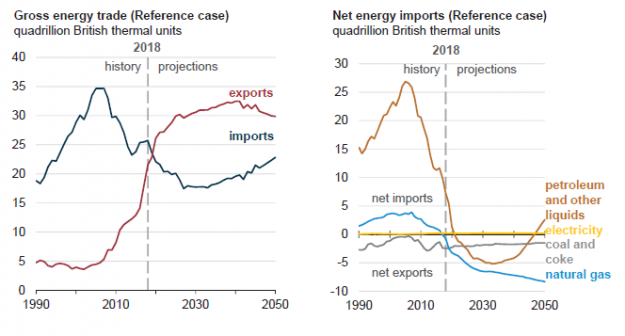
U.S. energy exports in 2020 are projected to surpass imports for the first time since 1953, thanks to the continued growth in petroleum and natural gas exports, according to the U.S. Energy Information Agency’s Annual Energy Outlook released on Jan. 24. The trend is expected continue for the next three decades driven by large increases in the…...

The U.S. Energy Department announced funding for cost-shared research and development projects aimed to develop advanced technologies that enhance the performance, reliability, and flexibility of existing coal power plants, according to a Jan. 23 press release. The research effort is intended to lower emissions and foster new technologies that benefit the grid. Projects will support…...
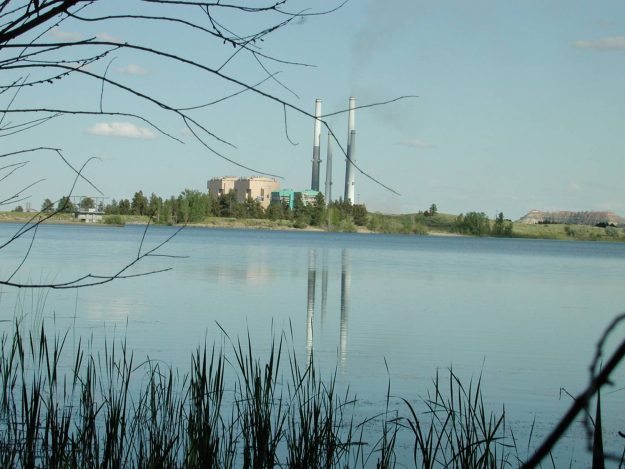
Montana House lawmaker Rodney Garcia, a Republican, introduced legislation on Jan. 15 that would allow the state to sell bonds for up to $500 million to purchase coal-fired generation facilities whose acquisition would be in the public interest. The bill aims at saving the Colstrip plant, which is facing a bleak future as climate change…...
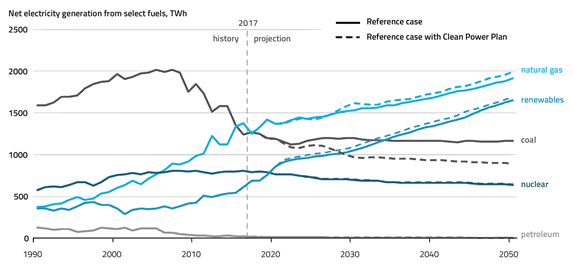
The Trump administration is seeking new avenues to revive coal and nuclear, such as research to diversify coal use and design new reactors. Although new technologies may slow the downturn of coal and nuclear, hopes of a renaissance remain dim as the industries lose out to cheaper, cleaner, and more efficient resources.
This content requires that you purchase additional access. The price is $99.00.
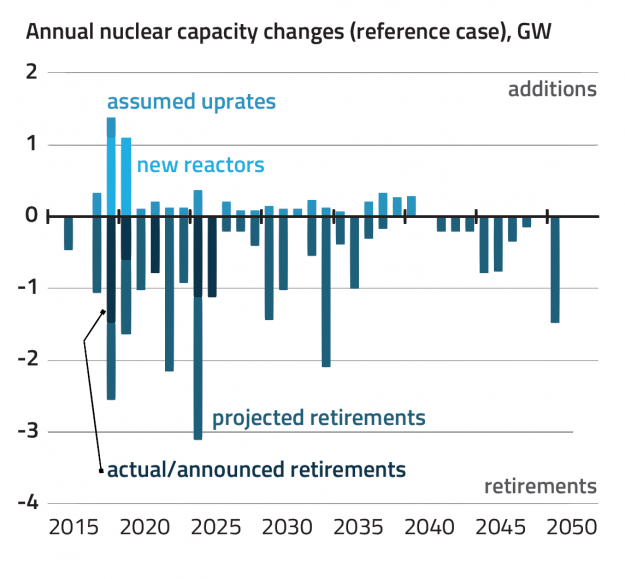
The Trump administration is seeking new avenues to revive coal and nuclear, such as research to diversify coal use and design new reactors. Although new technologies may slow the downturn of coal and nuclear, hopes of a renaissance remain dim as the industries lose out to cheaper, cleaner, and more efficient resources.
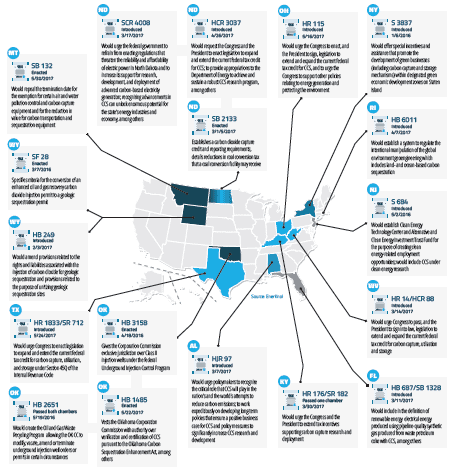
Mississippi regulators require the Kemper coal plant – hailed as the first large-scale clean coal facility – to run only on natural gas ending a seven year effort to demonstrate the viability of clean coal technology. The project's failure is a major setback for carbon capture and storage (CCS), particularly given the interest to save the coal industry under the Trump administration. The Kemper plant’s switch to natural gas is part of a broader trend caused by low-cost, low-carbon natural gas, making it difficult for expensive technologies to compete. Faced with adverse economics, the prospects of CCS will likely depend on the policy environment.
This content requires that you purchase additional access. The price is $99.00.