

Michigan Regulator Takes Action to Strengthen Grid Resilience for Critical Community Facilities
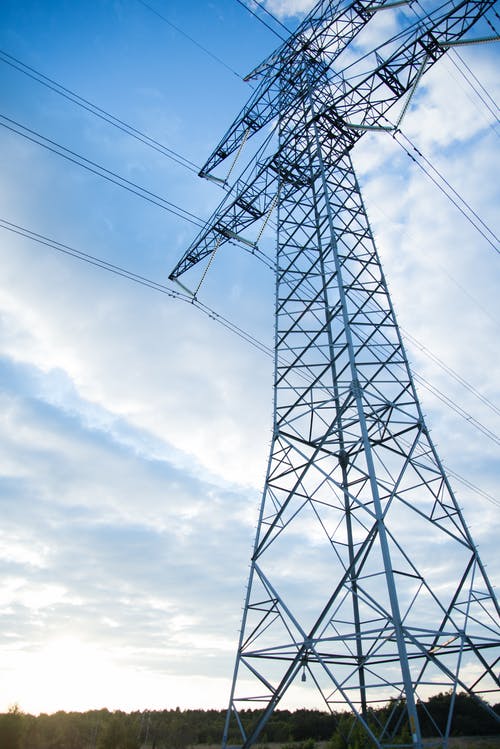
The Michigan Public Service Commission on Dec. 5 approved a set of measures to improve electric service resilience for critical and priority facilities including hospitals, schools, long-term care centers, police and fire stations, and 911 call centers. The action adopts 13 recommendations from commission staff, intended to reinforce reliability expectations for sites central to public health and safety and to align state service quality rules with industry standards for resilient operations.
The regulator issued a directive in 2023 for staff to review state rules and evaluate how essential facilities can maintain operations during extended outages. Staff submitted a proposal on Dec. 2 outlining steps to strengthen coordination among utilities, emergency managers, and facility operators, and the regulator gathered further comments before finalizing the recommendations.
The requirements call for annual meetings between DTE Electric, Consumers Energy, and critical-facility customers to address resilience needs and communication practices. All regulated utilities must inform staff of anticipated outages before major storms and describe actions taken to prepare. The regulator also established a benchmark requiring utilities to restore service to critical facilities within 72 hours and to provide justification if they cannot meet that timeline. Indiana Michigan Power must deliver detailed plans within six months explaining how its service restoration coding system will support compliance.
Utilities will meet annually with city and county emergency managers to discuss restoration challenges and review the accuracy of critical-facility lists with state coordinators every two years. Staff and utilities will identify improvements for prioritizing households that rely on life-support equipment. Companies must also file outage reports within 14 days of major interruptions summarizing cumulative outages, resource deployment, and restoration progress. The regulator authorized limited sharing of customer information with state emergency agencies during emergencies to support health and safety needs.
The action builds on ongoing work to strengthen Michigan’s grid following severe storms in February 2023. Other recent steps include an independent audit of the state’s two largest electric utilities, expanded vegetation management funding, and enhanced outage credits that adjust annually.
The regulator also approved a settlement requiring Alpena Power to issue outage credits tied to a March ice storm and granted accounting authority to defer $2.25 million in restoration costs for later review.
EnerKnol Pulses like this one are powered by the EnerKnol Platform—the first comprehensive database for real-time energy policy tracking. Sign up for a free trial below for access to key regulatory data and deep industry insights across the energy spectrum.
ACCESS FREE TRIAL