

New York Approves State Energy Plan Through 2040 Amid Cost and Reliability Concerns
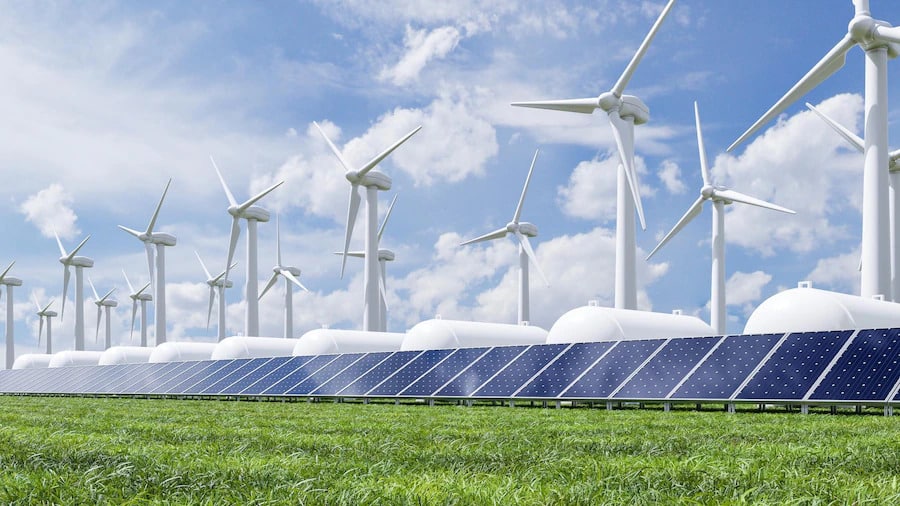
The New York State Energy Planning Board on Dec. 16 voted unanimously to approve a new State Energy Plan, establishing a long-term framework to guide energy-related decision making through 2040 while balancing affordability, reliability, economic growth, and emissions reduction.
The plan is grounded in more than a year of analysis examining New York’s current energy systems and projected future needs. The framework aims to deliver abundant, reliable, resilient, and clean energy while supporting economic development, equity, and public health. While reaffirming the state’s commitment to renewable energy deployment, the plan concludes that a diverse mix of energy resources will be required over the next 15 years to maintain system reliability, including advanced nuclear technologies and continued use of natural gas.
The plan was finalized amid heightened uncertainty across the energy sector, driven by economic pressures and shifting federal policy priorities that have reduced support for renewable energy projects. State agencies updated the analysis following the release of the Draft Plan in July 2025 to reflect recent federal actions and available data. Revisions placed increased emphasis on energy affordability, system cost management, and demand-side flexibility, alongside expanded discussion of large new electricity loads and strategies to mitigate associated grid and rate impacts.
Five core planning goals anchor the framework. These include delivering reliable and clean energy through a diverse mix of resources; reducing energy costs and upfront barriers for households with a focus on lower-income communities; supporting economic competitiveness and workforce development; strengthening partnerships across New York’s innovation ecosystem; and continuing progress toward a decarbonized energy economy.
Some environmental advocates raised concerns about the plan’s treatment of clean energy priorities. The Natural Resources Defense Council stated that the “plan fails to prioritize proven, cost-effective clean energy solutions and instead opens the door to increased, unnecessary, fossil fuel investments.”
The planning process began in August 2024 and included broad public engagement, with 10 public hearings and nearly 15,000 written comments submitted. Implementation will require coordinated action among state agencies, collaboration with local governments and communities, and participation from private sector investors. The board is required to publish biennial reports evaluating implementation progress and recommending policy updates as needed.
EnerKnol Pulses like this one are powered by the EnerKnol Platform—the first comprehensive database for real-time energy policy tracking. Sign up for a free trial below for access to key regulatory data and deep industry insights across the energy spectrum.
ACCESS FREE TRIAL