

New York Commission Revises Clean Energy Procurement Strategy to Align With Market Realities
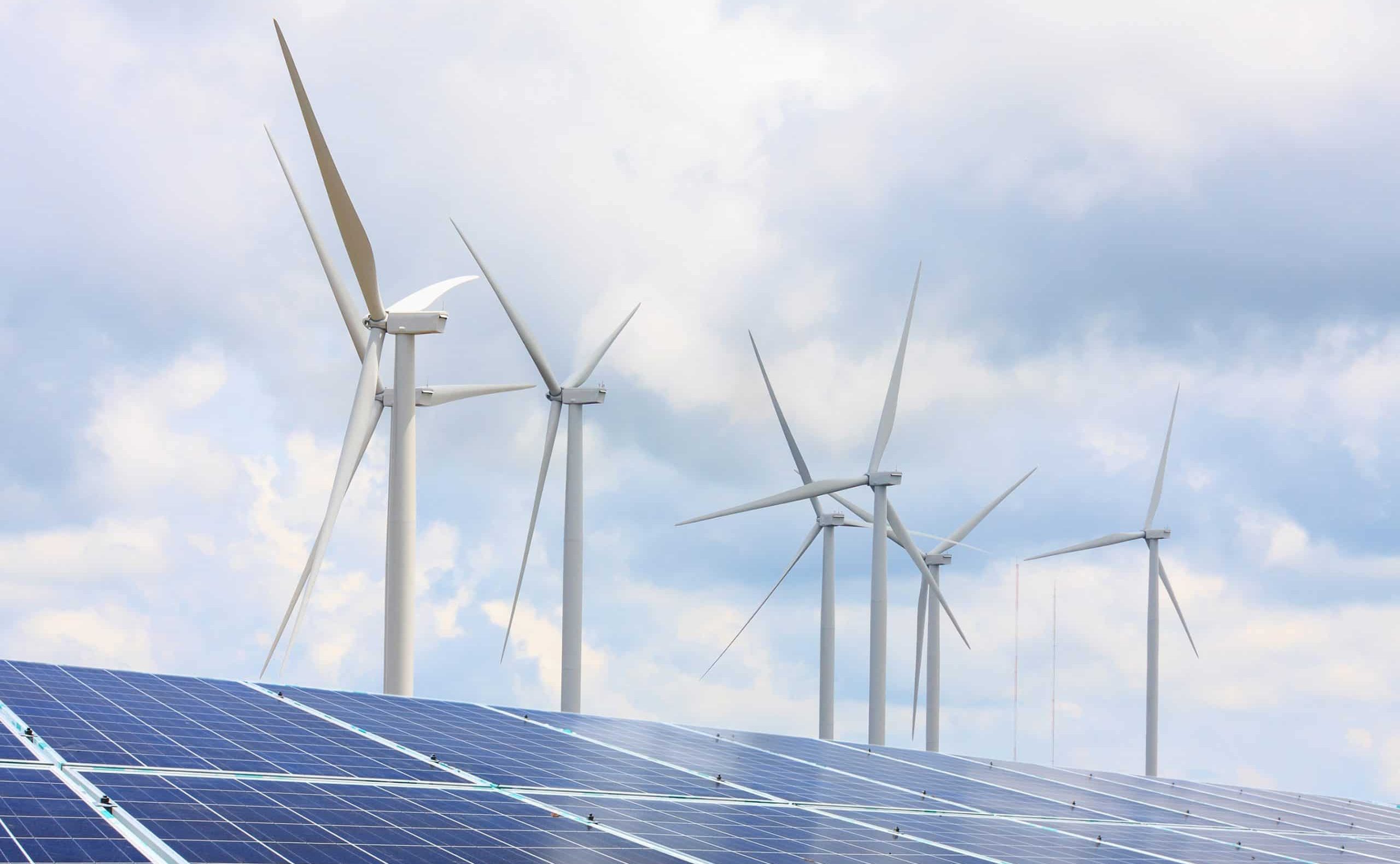
The New York Public Service Commission on May 15 approved a series of reforms aimed at accelerating the state’s clean energy transition, including a notable increase in its annual large-scale renewable energy procurement target. The revised goal raises the land-based renewable energy target (known as Tier 1) from 4,500 gigawatt-hours to 5,600 gigawatt-hours per year. This move is designed to better align procurement levels with both increasing energy demand and current economic conditions.
The decision stems from the commission’s biennial review of the Clean Energy Standard, or CES, conducted in collaboration with the Department of Public Service and the New York State Energy Research and Development Authority. The review concluded that persistent inflation, supply chain disruptions, and a recent surge in forecasted electric load, particularly from economic development in upstate regions, necessitate updated procurement practices to maintain progress toward the state’s 2030 and 2040 climate benchmarks. The state is required to source 70 percent of its electricity from renewable energy by 2030 under the 2019 Climate Leadership and Community Protection Act.
Commission Chair Rory Christian noted that the changes were needed to ensure that clean energy development remains both affordable and feasible.
Beyond raising the annual procurement target, the commission also authorized reforms to improve the structure of future solicitations, including adjustments to project selection methods and pricing mechanisms for both Tier 1 renewables and offshore wind. The goal is to reduce project attrition and provide greater clarity for developers and investors.
In addition, the commission directed staff to assess long-term support options for New York’s hydroelectric facilities and to file a white paper on the potential continuation of the Zero-Emission Credit program beyond 2029 to preserve the state’s existing nuclear fleet.
A separate report will explore the development of clean energy zones, aimed at coordinating renewable generation and transmission investment in regions with high system value.
The next CES biennial review is scheduled to begin in 2026.
EnerKnol Pulses like this one are powered by the EnerKnol Platform—the first comprehensive database for real-time energy policy tracking. Sign up for a free trial below for access to key regulatory data and deep industry insights across the energy spectrum.
ACCESS FREE TRIAL