

New York to Deliver $151 Million in Energy Bill Savings Under Zero-Emissions Credits Program
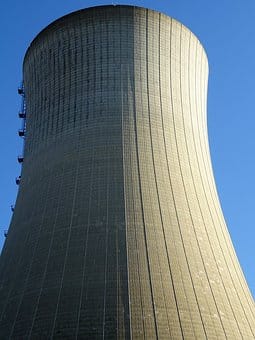
New York Governor Kathy Hochul on Nov. 4 announced that state electricity consumers will receive $151 million in energy bill savings in 2026 through benefits generated under the Zero-Emissions Credits program. The savings stem from federal nuclear production tax credits now being claimed by Constellation Energy for its upstate nuclear plants. Under the New York State Public Service Commission’s 2016 ZEC framework, any federal benefits received by the nuclear operators must be passed directly to ratepayers, reducing overall electricity costs while ensuring continued operation of carbon-free nuclear generation.
In a related development, the commission staff has proposed extending the ZEC program, originally launched in 2016 under the Clean Energy Standard, through 2049. The proposal, termed “ZEC 2.0,” would allow Ginna and Nine Mile Point Unit 1 to continue operating through their next license renewal periods, reinforcing the role of nuclear energy in meeting New York’s decarbonization and reliability goals.
The announcement is part of a broader affordability initiative led by Governor Hochul’s administration. Earlier this year, the commission adopted an Enhanced Energy Affordability Policy extending energy bill discounts to 1.6 million additional households with incomes below the state median. The policy expands assistance to both electric and gas customers, improving affordability and access to essential services.
Further actions include redirecting $360 million in surplus funds from the NY-Sun distributed solar program to offset costs within the New York State Energy Research and Development Authority’s efficiency and electrification portfolios by 24 percent through 2030. The commission also reduced program costs by an additional $340 million in 2025 and 2026 while expanding support for low-income participants.
In May 2025, the regulator increased funding allocations for low- and moderate-income energy efficiency programs from 20 to 30 percent of the Clean Energy Fund budget, an annual rise of $132 million, including a $50 million yearly increase for the EmPower+ program. Complementing these steps, the state has strengthened consumer protections, initiated comprehensive utility management audits, and recalibrated offshore wind timelines to safeguard ratepayers amid evolving federal conditions.
Together, these measures reflect a multi-pronged strategy to enhance affordability, reliability, and equity in New York’s clean energy transition.
EnerKnol Pulses like this one are powered by the EnerKnol Platform—the first comprehensive database for real-time energy policy tracking. Sign up for a free trial below for access to key regulatory data and deep industry insights across the energy spectrum.
ACCESS FREE TRIAL