

President Trump Signs ‘One Big Beautiful Bill,’ Prioritizing Fossil Fuels Over Clean Energy
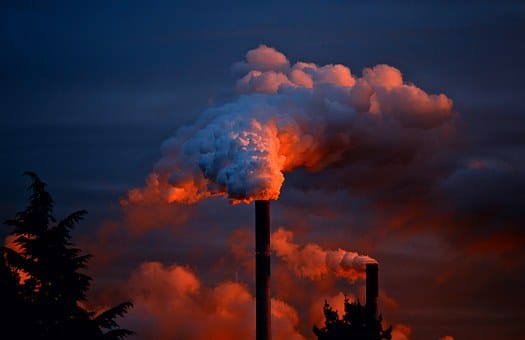
U.S. President Donald Trump on July 4 signed the One Big Beautiful Bill Act, a sweeping reconciliation measure that fundamentally reshapes federal energy policy. Backed by President Donald Trump and Republican leadership, the legislation takes down many of the clean energy incentives established under the Inflation Reduction Act while accelerating fossil fuel development on public lands and waters. The measure marks the most significant federal energy policy realignment in years.
The bill aggressively prioritizes fossil fuel production by reopening federal leasing programs for oil, gas, and coal, including onshore and offshore tracts. It lowers royalty rates for methane produced from federal leases, relaxes permitting for conventional energy infrastructure, and authorizes a new federal financing program to back large-scale fossil fuel projects. New leasing opportunities extend across the Gulf of Mexico, the Arctic, and federal lands in the Mountain West, with the administration pledged to expedite auctions and permitting decisions in the coming months.
At the same time, the bill repeals or phases out a broad portfolio of clean energy tax credits and grant programs for solar, wind, electric vehicles, and energy-efficient buildings. Wind and solar projects face an accelerated deadline, losing long-term tax incentives unless construction begins within 12 months of enactment and projects are operational by the end of 2027. Other zero-emission technologies, including nuclear, geothermal, and hydrogen-fueled generation, retain their original credit timelines through 2032, followed by a gradual phaseout through 2036. Biofuel production credits are extended through 2029 but narrowed with stricter feedstock sourcing and emissions accounting.
Industry reactions reflect the sharp policy divide. American Petroleum Institute CEO Mike Sommers called the measure “the most important energy bill in a generation,” praising expanded leasing, deregulation, and new financing tools as ushering in “a new era of energy development.” In contrast, American Clean Power Association CEO Jason Grumet said the bill represents “a dramatic swing in federal policy, disrupting the good-faith investments of American companies,” warning it could undermine grid reliability and raise energy costs even as demand surges.
EnerKnol Pulses like this one are powered by the EnerKnol Platform—the first comprehensive database for real-time energy policy tracking. Sign up for a free trial below for access to key regulatory data and deep industry insights across the energy spectrum.
ACCESS FREE TRIAL