

Solar, Wind Power Curtailments Increase by 29 Percent in California During 2024: EIA
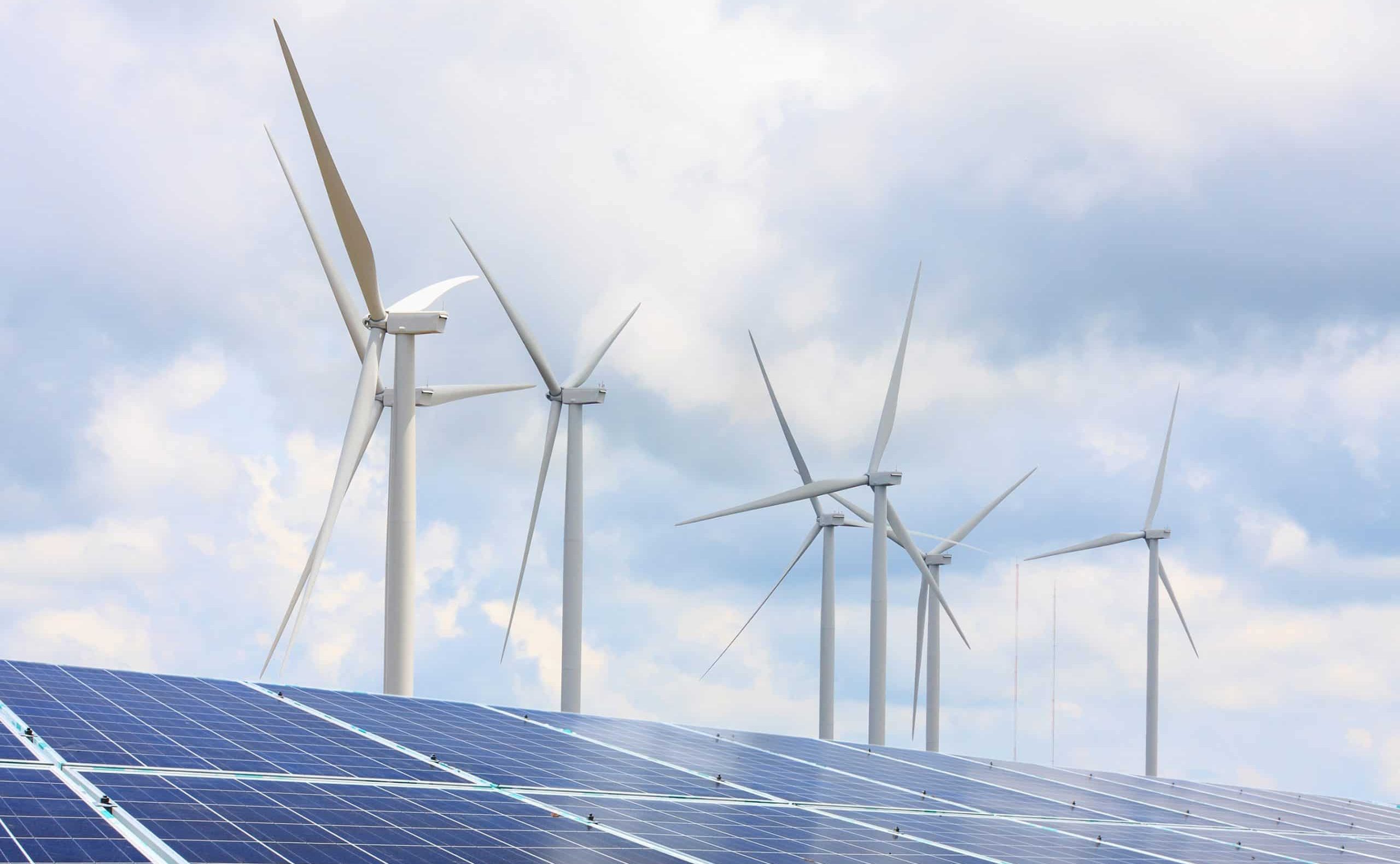
The California Independent System Operator curtailed 3.4 million megawatt-hours of utility scale solar and wind output during 2024, up 29 percent from the volume curtailed during 2023, according to a May 28 report published by the U.S. Energy Information Administration. The grid operator curtails wind and solar powered electricity production, in order to balance demand and supply, amid increasing renewables capacity growth. The production of solar and wind is reduced via price signals or through an order to lower generation during times when there is congestion on the power lines or when production surpasses consumer electricity demand.
During 2024, solar powered electricity generation totaled 93 percent of all energy curtailed in California grid operator’s region. The majority of solar curtailed was during the spring period, when generation surpassed low demand due to moderate temperatures reducing demand for air conditioning and space heating. As of the end of 2024, a combined 28.2 gigawatts (GW) of solar and wind photovoltaic capacity has been constructed in California, significantly higher than the 9.7 GW during 2014.
The grid operator also reduces solar production to allow for natural gas production. As per the North American Electric Reliability Corporation reliability standards, a certain volume of natural gas production must be utilized during the day, so that generation can increase effortlessly during the evening period, when renewable energy production declines.
The operator is attempting to reduce curtailments in a number of ways, including trading with nearby balancing authorities, integrating battery storage into ancillary services and the curtailment reduction in transmission planning. Moreover, businesses plan to utilize surplus renewable energy to produce hydrogen. To further lower renewable curtailments and enhance grid stability, the California grid operator is encouraging the addition of flexible resources that have the ability to swiftly respond to unexpected changes in demand. Battery storage allows excess volumes of renewables generated energy to be stored and utilized during periods of higher demand.
Battery storage adds stability to variable energy sources such as wind and solar. Wind and solar are both intermittent resources as they can only provide electricity when the wind is blowing or when sunshine is available. Batteries solve the intermittency problem by storing extra energy produced by wind or solar generators for later use.
EnerKnol Pulses like this one are powered by the EnerKnol Platform—the first comprehensive database for real-time energy policy tracking. Sign up for a free trial below for access to key regulatory data and deep industry insights across the energy spectrum.
ACCESS FREE TRIAL