

U.S. EPA Proposes to End Emissions Reporting Program
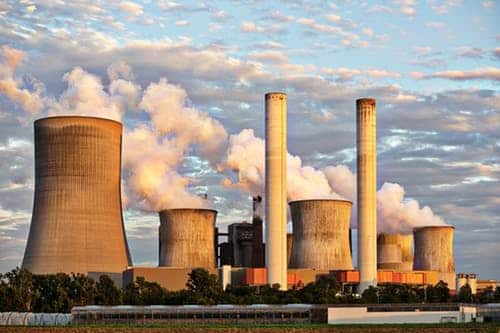
The U.S. Environmental Protection Agency on Sept. 12 announced a proposed rule to end the Greenhouse Gas Reporting Program, removing reporting obligations for most large facilities, all fuel and industrial gas suppliers, and carbon dioxide injection sites. The agency projects this change would save businesses up to $2.4 billion in regulatory costs over a 10-year period while maintaining its statutory obligations under the Clean Air Act. Annual cost savings associated with the petroleum and natural gas industry is estimated at $256 million per year. Launched in 2009, the program requires annual emissions reporting from over 8,000 facilities across 47 source categories covering large emitters, industrial gas suppliers, and CO2 injection sites. Under the proposal, program obligations for 46 of these source categories would be removed after the 2024 reporting year. EPA has determined that there is no statutory requirement to gather greenhouse gas emissions information for sectors other than the petroleum and natural gas source category segments, or subpart W, subject to the Waste Emissions Charge – a methane emissions fee established by the 2022 Inflation Reduction Act. Subpart W consists of emission sources in ten segments of the petroleum and natural gas industry. EPA is proposing to remove program obligations for facilities in the natural gas distribution segment, so they would no longer report to EPA after the 2024 reporting year. For the remaining nine segments in the category, EPA is proposing to suspend reporting requirements until reporting year 2034 in accordance with the One Big Beautiful Bill Act enacted in July. EPA notes that the program is not directly tied to a potential regulation and has no material impact on improving public health and the environment. In July, EPA issued a proposal to rescind the 2009 endangerment finding that serves as the basis for federal regulation of greenhouse gases.
EnerKnol Pulses like this one are powered by the EnerKnol Platform—the first comprehensive database for real-time energy policy tracking. Sign up for a free trial below for access to key regulatory data and deep industry insights across the energy spectrum.
ACCESS FREE TRIAL